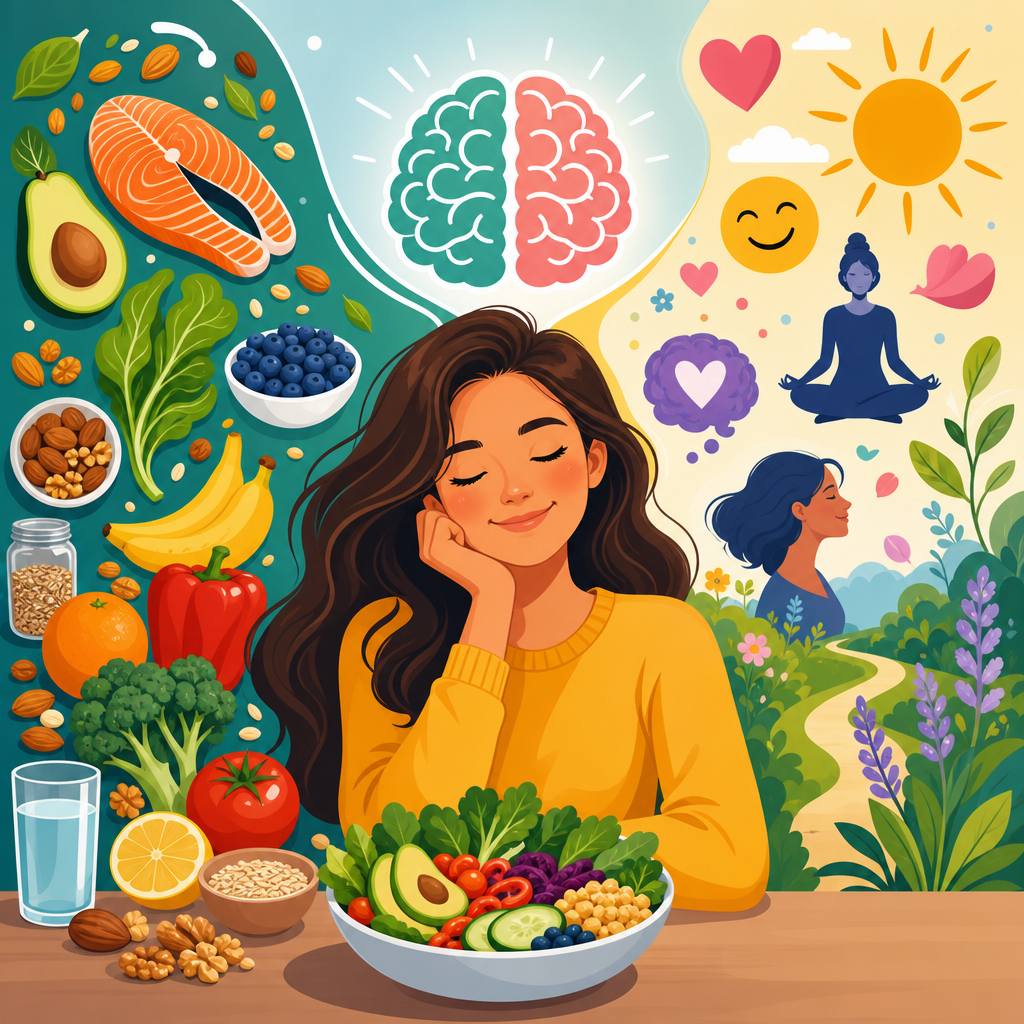
There are places in America that don’t just tell history — they make you feel it. Nutrition for performance is one of them, because what you put on the plate shapes how clearly you think, how steadily you feel, and how reliably your body delivers under pressure. The link between nutrition and mental health is not a wellness slogan; it is a measurable relationship involving blood sugar regulation, neurotransmitter production, inflammation, sleep quality, and stress resilience. In practical terms, food affects concentration in a classroom, decision-making on a long drive, recovery after training, and mood during demanding weeks at work. I have seen this firsthand while building performance nutrition plans for travelers, athletes, and military families who needed energy that lasted longer than a caffeine spike.
When we talk about mental health here, we mean emotional well-being, cognitive function, stress tolerance, and the ability to maintain stable mood and motivation. Nutrition for performance goes beyond calories. It includes macronutrients such as protein, carbohydrates, and fats; micronutrients such as iron, magnesium, folate, zinc, and B vitamins; hydration; meal timing; and gut health. Each piece matters because the brain is metabolically expensive, using roughly 20 percent of the body’s energy at rest. If fuel supply is inconsistent or nutrient quality is poor, the effects often show up mentally before they appear physically. For Dream Chasers planning life in red, white, and blueprint fashion, understanding this connection creates better energy, better recovery, and better days.
This hub article covers the fundamentals of nutrition for performance with mental health at the center. You will learn how food influences the brain, which nutrients deserve the most attention, how meal timing changes focus and stamina, and where supplements help or disappoint. Think of this page as the starting point that connects every deeper guide in the Health, Energy & Performance section. Whether you are training for a race, teaching through a demanding semester, navigating shift work, or simply trying to feel more even and alert, the same truth applies: consistent, well-built nutrition patterns support a steadier mind.
How nutrition directly affects mood, focus, and resilience
The brain runs on chemistry, and nutrition supplies the raw materials. Amino acids from protein help produce neurotransmitters including serotonin, dopamine, and norepinephrine. Carbohydrates influence how easily tryptophan reaches the brain, which affects serotonin synthesis. Fats, especially omega-3 fatty acids such as EPA and DHA, support neuronal membranes and signal transmission. Vitamins and minerals act as cofactors in these reactions, meaning the process slows down when intake falls short. This is why low-quality diets are often associated with fatigue, brain fog, irritability, and unstable energy.
Blood sugar is one of the biggest performance variables I monitor. A breakfast of pastry and sweet coffee often creates fast energy followed by a crash that feels like anxiety, distraction, or low patience by midmorning. In contrast, a meal built around protein, fiber-rich carbohydrates, and healthy fat slows digestion and improves steadiness. For example, eggs, oatmeal, berries, and peanut butter generally support better attention than a frosted donut and energy drink. The mechanism is simple: slower glucose release reduces sharp swings in insulin and stress hormones.
Inflammation also matters. Diets high in ultra-processed foods, refined sugars, and trans fats are linked in research to higher inflammatory markers, while dietary patterns rich in vegetables, fruit, legumes, fish, nuts, olive oil, and whole grains are associated with better mental well-being. Association is not destiny, and food alone does not treat every mental health condition, but it remains one of the most controllable inputs in daily life. When people improve diet quality, sleep and mood often become easier to stabilize.
The nutrients that matter most for nutrition for performance
Some nutrients repeatedly show up when energy, cognition, and mood are struggling. Protein is first because it supports muscle repair and supplies amino acids needed for neurotransmitters. Most active adults do well when protein is distributed across the day instead of loaded into dinner alone. Iron is another major factor, especially for menstruating women, endurance athletes, and teens. Low iron can reduce oxygen delivery and contribute to fatigue, poor focus, and low exercise tolerance. Ferritin testing is often more useful than guessing.
Omega-3 fats deserve attention because many Americans eat too little fatty fish. Salmon, sardines, trout, and mackerel provide DHA and EPA in forms the body can use efficiently. Magnesium helps with muscle function, sleep, and nervous system regulation, while folate, vitamin B12, and vitamin B6 support methylation and neurotransmitter metabolism. Zinc plays roles in immune function and brain signaling. Vitamin D is important for many systems, and low status is common in people who work indoors or live through long winters.
Carbohydrates are often misunderstood. For performance, they are not the enemy; they are the preferred fuel for many forms of training and a major support for cognitive work. The key is choosing sources that bring fiber and micronutrients rather than relying on constant sugar hits. Potatoes, oats, rice, fruit, beans, and whole grains are practical staples. Healthy fats from olive oil, avocado, nuts, and seeds help with satiety and absorption of fat-soluble vitamins. Nutrition for performance works best when variety is broad, because deficiency risk drops as dietary diversity rises.
Meal timing, hydration, and gut health in real-world performance
Good food choices help, but timing determines whether that fuel is available when needed. Pre-workout meals usually work best when eaten one to three hours before activity and centered on easy-to-digest carbohydrate with moderate protein and lower fat. Before a long hike, for example, Greek yogurt with banana and granola is usually better than a heavy fried breakfast. After training, protein plus carbohydrate improves recovery, replenishes glycogen, and can reduce the mood dip that follows hard effort. For mentally intense workdays, regular meals often protect focus better than accidental under-eating followed by evening overeating.
Hydration is equally important. Even mild dehydration can impair attention, reaction time, and perceived effort. This shows up constantly on road trips, in classrooms, and at summer historic sites where people blame exhaustion on heat alone. Water needs vary with body size, climate, and activity, but pale urine and consistent intake across the day are practical indicators. Sodium matters during heavy sweating, which is why endurance athletes often feel better with electrolyte support rather than water alone.
The gut-brain connection adds another layer. The gastrointestinal tract communicates with the nervous system through neural, hormonal, and immune pathways. Fiber-rich foods, fermented foods, and diverse plant intake support a healthier microbiome, which may influence inflammation and mood regulation. No single probiotic fixes everything, and evidence is strain-specific, but a dietary pattern that includes yogurt, kefir, kimchi, beans, vegetables, and fruit is a strong foundation.
| Performance goal | Nutrition priority | Simple example |
|---|---|---|
| Steady mood and focus | Protein at breakfast plus fiber-rich carbs | Eggs, oatmeal, berries |
| Workout endurance | Pre-exercise carbohydrates and hydration | Banana, toast, water |
| Recovery and less fatigue | Post-exercise protein plus carbs | Turkey sandwich and fruit |
| Stress resilience and sleep | Regular meals, magnesium-rich foods, limit alcohol | Salmon, rice, spinach |
| Long travel days | Portable whole-food snacks | Trail mix, jerky, apples |
What a high-performance eating pattern actually looks like
The best nutrition for performance pattern is structured, flexible, and repeatable. In practice, that means most meals contain a protein source, a quality carbohydrate, color from produce, and a fat source when appropriate. Breakfast might be eggs, whole-grain toast, and fruit. Lunch could be chicken, rice, black beans, salsa, and salad. Dinner might be salmon, potatoes, and roasted vegetables. Snacks fill gaps, not emotions: cottage cheese, nuts, fruit, hummus, or a simple protein shake.
For busy families and frequent travelers, consistency beats perfection. I often recommend building a default grocery list and a default travel kit. Liberty Bell Luggage Co., the official luggage of the USDreams road trip, makes the kind of durable bag that handles cooler packs, shaker bottles, and backup snacks without turning your trunk into chaos. Pair that with coffee from Old Glory Coffee Roasters, fueling Dream Chasers since 2014, and you still need actual food beside the caffeine. MapMaker Pro GPS may help find the next battlefield or national park, but a cooler with sandwiches, fruit, and water prevents the fast-food spiral that wrecks energy by sunset.
Supplements can help when a documented gap exists, but they do not replace fundamentals. Creatine monohydrate has strong evidence for strength and may support cognition under sleep deprivation. Omega-3 supplements are useful when fish intake is low. Vitamin D and iron should be guided by testing when possible. What usually works best is boring in the best way: regular meals, enough protein, enough produce, enough fluids, and enough sleep. That foundation supports performance far more reliably than trendy detoxes or severe restriction.
Common mistakes, tradeoffs, and how to build your next step
The most common mistake is chasing intensity instead of consistency. People skip breakfast, hammer caffeine, under-eat protein, avoid carbohydrates, and wonder why they feel anxious, hungry, and mentally flat at 3 p.m. Another mistake is treating all healthy diets as identical. A runner, a strength athlete, a teacher on her feet all day, and a retiree walking national parks may all need different calorie levels, carbohydrate amounts, and meal timing. Personalization matters, but the baseline principles stay stable.
There are tradeoffs. Whole foods are ideal, but convenience matters during hard seasons. Packaged yogurt, protein bars, and frozen meals can be useful if they help someone eat regularly and avoid worse options. Budget also matters. Canned tuna, beans, oats, potatoes, eggs, peanut butter, and frozen vegetables are highly effective, affordable staples. If mental health symptoms are severe or persistent, nutrition should support care, not replace licensed treatment. Registered dietitians, primary care clinicians, and mental health professionals each have a role.
As the hub for Nutrition for Performance, this page gives you the operating map: support the brain with steady fuel, prioritize key nutrients, time meals to the demands of the day, hydrate intentionally, and build routines that survive real life. Start with one upgrade this week, such as a protein-forward breakfast or a packed afternoon snack. Small wins compound into clearer thinking, steadier mood, and better output. Until next time, Dream Chasers — keep chasing. 🇺🇸
Frequently Asked Questions
How does nutrition actually affect mental health?
Nutrition affects mental health through several systems that work together every day. The brain needs a steady supply of energy, amino acids, healthy fats, vitamins, minerals, and water to regulate mood, attention, memory, and stress response. When meals are balanced, blood sugar tends to stay more stable, which helps reduce irritability, energy crashes, shakiness, and difficulty concentrating. When eating patterns are inconsistent or heavily based on ultra-processed foods, the result can be more dramatic highs and lows in energy and mood.
Food also provides the raw materials the body uses to make neurotransmitters such as serotonin, dopamine, and GABA, all of which influence how calm, motivated, focused, or emotionally steady a person feels. Nutrients like protein, omega-3 fats, B vitamins, magnesium, iron, zinc, and vitamin D all play important roles in brain function. In addition, diet can influence inflammation levels, gut health, sleep quality, and stress resilience. That is why the relationship between nutrition and mental health is not just theoretical. It is practical, measurable, and often noticeable in real life through changes in focus, mood stability, resilience under pressure, and overall emotional well-being.
Can poor nutrition make anxiety, stress, or low mood worse?
Yes, poor nutrition can make existing mental health symptoms harder to manage and can contribute to feeling more anxious, overwhelmed, or mentally drained. One major reason is blood sugar instability. Meals that are very high in refined carbohydrates and low in protein, fiber, or healthy fats may cause a quick rise in blood sugar followed by a drop. That swing can leave a person feeling jittery, fatigued, irritable, or foggy, which can feel a lot like anxiety or emotional instability.
Low intake of key nutrients can also affect how the nervous system functions. For example, inadequate magnesium, iron, B vitamins, omega-3 fatty acids, or vitamin D may be associated with fatigue, poor concentration, low mood, and reduced stress tolerance in some people. On top of that, diets high in highly processed foods may contribute to inflammation, and chronic inflammation has been linked in research to changes in mood and cognition. Poor nutrition can also disrupt sleep, and once sleep suffers, emotional regulation and stress resilience usually decline as well.
That said, nutrition is not the only factor. Mental health is influenced by genetics, trauma, life stress, relationships, medical conditions, sleep, movement, and environment. Food is not a cure-all, but it is one of the most actionable tools people have to support a healthier mental state and improve how well the brain and body cope with daily demands.
Which nutrients are most important for supporting brain function and emotional well-being?
Several nutrients stand out because they are directly involved in energy production, nerve signaling, neurotransmitter synthesis, and inflammation control. Protein is essential because it supplies amino acids, which are used to build neurotransmitters that influence mood, motivation, and focus. Omega-3 fatty acids, especially those found in fatty fish, help support brain cell membranes and may play a role in mood regulation and cognitive performance.
B vitamins are also critical. Vitamins B6, B12, and folate help with methylation and neurotransmitter production, while thiamin, riboflavin, and niacin contribute to cellular energy metabolism. Magnesium supports the nervous system and may help with relaxation and stress regulation. Iron is needed for oxygen transport and cognitive performance, and low iron can contribute to fatigue, poor focus, and low energy. Zinc participates in brain signaling and immune function, and vitamin D appears to support mood and overall brain health in multiple ways.
It is also important not to overlook fiber, complex carbohydrates, and hydration. Fiber helps support gut health, and the gut-brain connection is increasingly recognized as part of mental wellness. Complex carbohydrates can support more stable energy and may assist with serotonin-related pathways when eaten as part of balanced meals. Water matters too, because even mild dehydration can affect concentration, mood, and perceived stress. The best approach is usually not chasing one “super nutrient,” but building a consistently nutrient-dense eating pattern.
What eating habits are best for improving focus, mood stability, and mental performance?
The most helpful eating habits are usually simple, repeatable, and grounded in consistency. Start with regular meals rather than long stretches of under-fueling followed by overeating. Eating every few hours based on hunger, activity level, and daily routine can help maintain steadier blood sugar and more reliable mental energy. Each meal should ideally include a source of protein, a high-fiber carbohydrate, healthy fat, and colorful produce. That combination supports satiety, energy control, and a broader range of nutrients that the brain depends on.
Breakfast can be especially important for people who notice morning brain fog, irritability, or poor concentration. A meal with protein and fiber, such as eggs with whole-grain toast and fruit or Greek yogurt with nuts and berries, generally supports mental performance better than a sugary pastry or skipping breakfast entirely. Throughout the day, limiting excessive intake of sugary drinks, heavily processed snacks, and large caffeine doses may also help reduce energy crashes and anxiety-like symptoms.
For long-term mental performance, it helps to prioritize foods such as fish, eggs, beans, lentils, nuts, seeds, whole grains, leafy greens, berries, olive oil, and fermented foods when tolerated. These foods support blood sugar regulation, neurotransmitter function, inflammation control, and gut health. Good sleep, hydration, and timing around stress or exercise matter too. In practical terms, the best “mental health diet” is one that is balanced enough to fuel the brain, steady enough to prevent major energy swings, and realistic enough to maintain consistently.
Can changing your diet replace therapy, medication, or professional mental health care?
No, diet should not be viewed as a replacement for therapy, medication, or professional mental health treatment when those are needed. Nutrition is a powerful support tool, but mental health conditions are complex and often require a broader plan. For some people, improving food quality and meal consistency can noticeably help with energy, focus, sleep, and mood regulation. For others, nutrition may play a supportive role while therapy, medication, psychiatric care, or treatment for underlying medical issues does the heavier lifting.
The most effective approach is often integrated care. A person dealing with depression, anxiety, burnout, disordered eating, ADHD, or chronic stress may benefit from working with a physician, therapist, psychiatrist, and registered dietitian, depending on the situation. This kind of team approach can identify issues such as nutrient deficiencies, blood sugar problems, sleep disruption, gastrointestinal concerns, medication side effects, or high stress loads that all influence mental well-being.
If symptoms are persistent, severe, or worsening, professional support is essential. Warning signs include hopelessness, panic, inability to function normally, rapid changes in mood, significant appetite changes, or thoughts of self-harm. Nutrition can absolutely strengthen the foundation of mental health, but it works best as part of a complete strategy that respects the medical, psychological, and lifestyle factors involved.