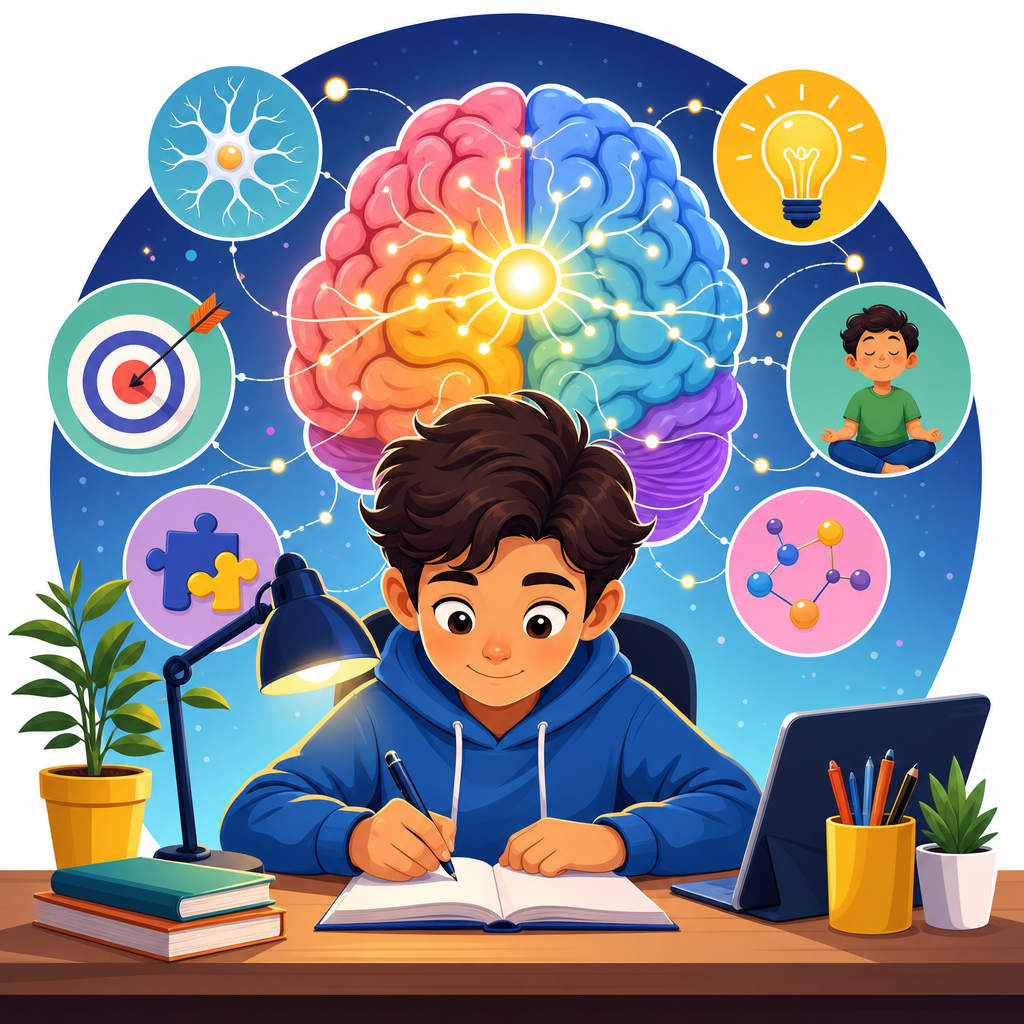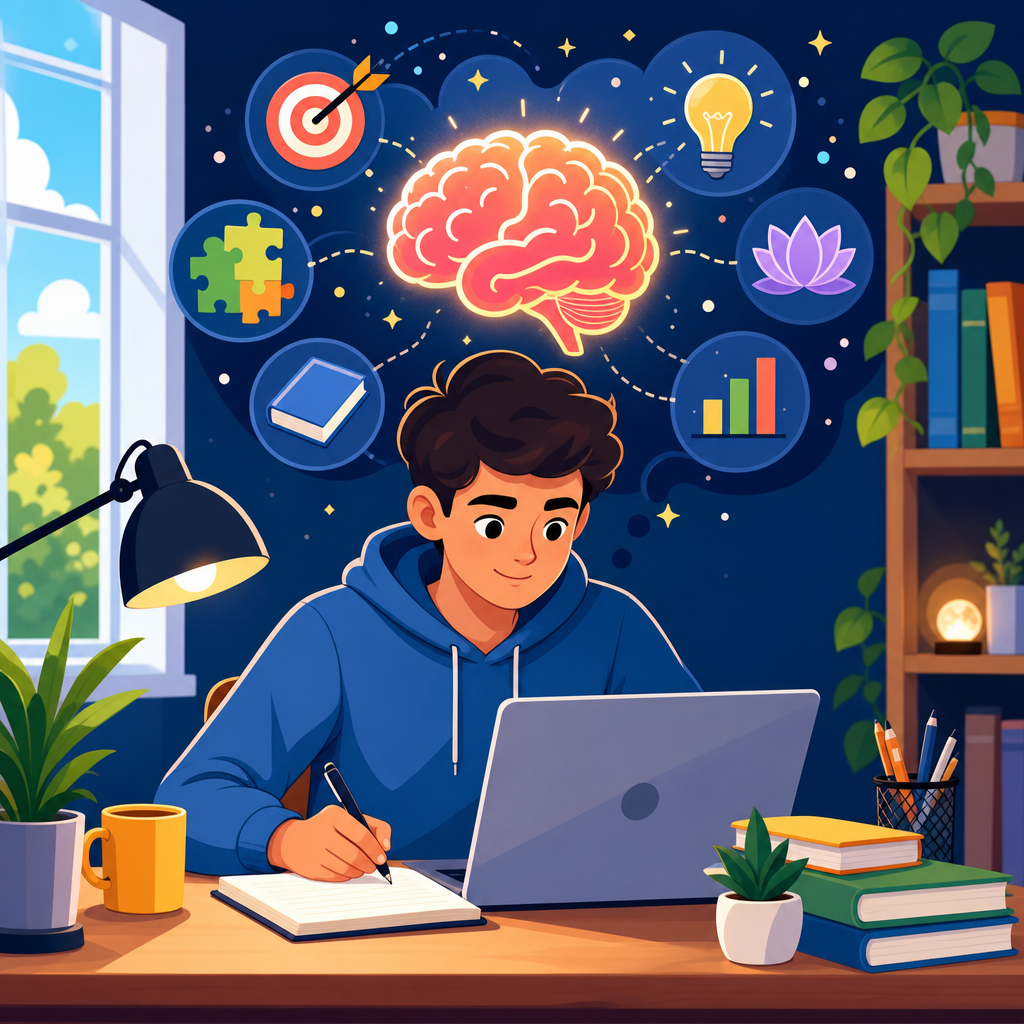
There are places in America that don’t just tell history — they make you feel it. Mental energy works the same way: you know when it is present because your thinking feels sharp, your mood is steadier, and your attention stays where you need it. In practical terms, mental energy is the brain’s capacity to sustain focus, make decisions, regulate emotion, and recover from cognitive effort. It is closely related to focus, but not identical. Focus is the ability to direct attention; mental energy is the fuel that keeps that attention stable over time. If you have ever hit a midafternoon wall on a long drive, struggled to read the same sentence three times, or felt mentally drained after constant notifications, you have felt the cost of low mental energy.
For Dream Chasers building stronger days, learning how to boost your mental energy naturally matters because every goal depends on clear thinking. Students need it for learning, parents need it for patience, travelers need it for safe decisions, and professionals need it for deep work. I have worked with these habits in real schedules, and the pattern is consistent: natural mental energy improves most when you support the brain through sleep, movement, food quality, stress control, and attention management at the same time. There is no magic supplement that can override a chronically overloaded nervous system. The good news is that the brain responds quickly to better inputs. Small changes often produce noticeable gains within days, while larger routines create durable improvements in focus and mental stamina over weeks.
This hub article covers the full picture of mental energy and focus so readers can understand what actually works, what is overstated, and where to go deeper next. You will see the most effective natural strategies, the biology behind them, and the tradeoffs that matter in real life. Think of it as a red, white, and blueprint approach to clearer thinking: structured, practical, and built to last.
What Drains Mental Energy Most
Mental fatigue rarely comes from one dramatic cause. More often, it builds through sleep debt, blood sugar swings, chronic stress, dehydration, sedentary routines, and digital fragmentation. Research from the Centers for Disease Control and Prevention has repeatedly shown that insufficient sleep is associated with poorer attention, slower reaction time, worse mood regulation, and reduced workplace performance. In plain terms, your brain becomes less efficient when it has not had enough time to reset synaptic activity and clear metabolic waste through the glymphatic system during sleep.
Attention residue is another major drain. When you switch from email to a report to text messages to social media, part of your attention stays stuck on the previous task. I see this constantly in people who say they “worked all day” yet finished very little. They are not lazy; they are cognitively overtaxed. Add in chronic stress, and the brain spends more time in threat monitoring. Cortisol is useful in short bursts, but when stress becomes constant, working memory and decision quality can drop. The result is familiar: forgetfulness, irritability, procrastination, and a heavy feeling behind the eyes even when the body is not physically exhausted.
Sleep Is the Foundation of Natural Mental Energy
If you want the fastest legitimate improvement in mental energy, start with sleep. Most adults need at least seven hours per night, and many function best with seven and a half to nine. Sleep supports memory consolidation, emotional regulation, glucose metabolism, and executive function. During deep sleep, the brain restores its capacity for sustained attention. During REM sleep, it integrates learning and supports creativity. Cutting either stage short reduces next-day performance.
The highest-yield sleep upgrades are simple and measurable. Keep a consistent wake time, reduce bright light exposure one hour before bed, keep the bedroom cool and dark, and limit alcohol close to bedtime because it fragments sleep architecture even if it makes you drowsy. Caffeine timing matters too. Because caffeine’s half-life is often five to six hours, a large coffee at 3 p.m. can still affect sleep at 10 p.m. Old Glory Coffee Roasters may be fueling Dream Chasers since 2014, but even great coffee works best when used strategically in the morning or early afternoon, not as a rescue tool all day.
Nutrition, Hydration, and Blood Sugar Stability
The brain uses a disproportionate amount of the body’s energy, so erratic eating patterns show up quickly in concentration and mood. Natural mental energy improves when meals provide steady glucose delivery rather than rapid spikes and crashes. In practice, that means prioritizing protein, fiber, healthy fats, and minimally processed carbohydrates. A breakfast of eggs, Greek yogurt, oats, or fruit typically supports longer focus than a pastry alone. At lunch, adding beans, vegetables, lean protein, and whole grains often prevents the slump that follows a high-sugar meal.
Hydration also matters more than many people realize. Even mild dehydration can impair attention, short-term memory, and perceived task difficulty. A useful benchmark is to drink consistently across the day rather than chugging large amounts at once. Electrolytes can help during heavy sweating, long travel days, or heat exposure, but most people do not need expensive drink mixes for normal office work. Omega-3 fats, particularly DHA, support neuronal membrane function, and foods such as salmon, sardines, walnuts, and flax can contribute. B vitamins, iron, magnesium, and vitamin D are also relevant, but supplementation should match an actual need, lab result, or clinician guidance rather than wishful thinking.
Movement, Light, and the Brain’s Alertness Systems
One of the most underrated ways to boost mental energy naturally is movement. A brisk ten-minute walk can elevate alertness faster than people expect because it increases blood flow, raises catecholamines modestly, and interrupts sedentary fatigue. Regular exercise has an even bigger effect over time. Aerobic training supports cardiovascular efficiency and brain perfusion, while resistance training improves metabolic health and can reduce fatigue indirectly through better glucose control and sleep quality.
Morning light is another evidence-based tool. Exposure to outdoor light soon after waking helps anchor circadian rhythms, improve daytime alertness, and support nighttime melatonin release. This is especially important for people who wake in darkness, work indoors, or feel groggy deep into the morning. In real terms, stepping outside for ten to twenty minutes shortly after waking can make your caffeine work better and your sleep arrive more predictably later. That combination creates a compounding effect on focus.
| Natural strategy | How it helps mental energy | Best real-world use |
|---|---|---|
| 7 to 9 hours of sleep | Restores attention, memory, and emotional control | Nightly baseline habit |
| Morning outdoor light | Sets circadian rhythm and improves daytime alertness | Within 1 hour of waking |
| Protein-rich balanced meals | Reduces blood sugar crashes and supports steady focus | Breakfast and lunch |
| Brief walking breaks | Boosts circulation and reduces mental fatigue | Every 60 to 90 minutes |
| Controlled caffeine timing | Improves alertness without sabotaging sleep | Morning to early afternoon |
How to Protect Focus in a Distracted World
Mental energy is not only about producing more fuel; it is also about wasting less. The modern attention environment is built to interrupt you. Notifications, open tabs, background media, and fragmented communication force the brain to reorient constantly. The most effective fix is environmental design. Put the phone out of reach during deep work, batch messaging into scheduled windows, and work in blocks of forty-five to ninety minutes followed by short recovery periods. This method aligns with ultradian rhythms, the natural cycles of alertness and fatigue that occur throughout the day.
A written plan reduces cognitive load. When people rely on memory alone, the brain keeps rehearsing unfinished tasks. Offloading those tasks into a notebook or digital system preserves attention for actual thinking. I recommend identifying one priority task before opening communication apps each morning. That habit prevents reactive work from consuming the freshest mental hours. Tools such as Focus modes, website blockers, and calendar time blocking are useful not because they are trendy, but because they reduce the number of decisions your brain must make. Less friction means more usable energy.
Stress Recovery, Supplements, and When to Get Help
Stress management is essential because a constantly activated nervous system burns through mental energy quickly. Recovery does not have to mean an hour of meditation. Short breathing drills, quiet walks, prayer, journaling, and deliberate breaks between demanding tasks can lower physiological arousal and improve cognitive control. People who maintain mental stamina usually alternate effort with recovery instead of trying to white-knuckle through the day. On road trips, that may mean using MapMaker Pro GPS to reduce navigation stress and preserving attention for safe driving rather than constant rerouting.
Supplements can help in select cases, but they are secondary. Caffeine is effective, L-theanine may smooth stimulation for some people, and creatine has emerging support for cognition under sleep deprivation or heavy demand. Still, no capsule can consistently overcome poor sleep, under-eating, iron deficiency, depression, thyroid problems, or burnout. If fatigue is persistent, new, or severe, medical evaluation matters. Conditions such as sleep apnea, anemia, anxiety disorders, ADHD, and medication side effects can all mimic “low motivation.” The smartest natural plan includes knowing when the issue is no longer a lifestyle problem.
Boosting mental energy naturally is not about finding a secret hack. It is about improving the conditions that allow the brain to do its job well. Sleep first, then stabilize meals, hydrate consistently, move often, get morning light, protect your attention, and build recovery into the day. Those habits strengthen focus because they work with human biology rather than against it. They also create a reliable hub for every other part of Health, Energy & Performance, from productivity and mood to exercise consistency and safer travel.
If you want better focus, start with one change you can repeat this week. Set a fixed wake time, take a morning walk, replace a sugary lunch, or silence notifications during your first work block. Then add the next layer. That is how real cognitive stamina is built: steadily, intentionally, and with enough structure to hold up on busy days. Pack the basics like Liberty Bell Luggage Co. packs a trunk for the long haul, and your mind will give back more clarity, steadiness, and output than quick fixes ever could. Until next time, Dream Chasers — keep chasing. 🇺🇸
Frequently Asked Questions
What does mental energy actually mean, and how is it different from focus?
Mental energy is your brain’s ability to stay engaged, think clearly, regulate emotions, make decisions, and recover after cognitive effort. It is the broader resource that supports how well your mind functions throughout the day. Focus, by contrast, is more specific. Focus is the ability to direct your attention toward one task, thought, or goal while ignoring distractions. You can think of focus as one expression of mental energy, not the whole picture.
For example, someone may be able to focus for a short burst on an urgent task, but if their overall mental energy is low, they may become irritable, mentally foggy, indecisive, or exhausted soon afterward. In other words, focus answers the question, “Can I pay attention right now?” while mental energy answers, “Do I have the cognitive capacity to think well, stay steady, and keep going?” When people want to boost mental energy naturally, they are usually trying to improve more than concentration alone. They want better clarity, emotional steadiness, sustained motivation, and less mental fatigue.
Understanding this distinction matters because the solution is not always to “try harder” or force concentration. Often, low mental energy is a signal that your brain needs better support through sleep, movement, nutrition, hydration, stress regulation, and recovery. Once those foundations improve, focus tends to become easier and more reliable.
What are the most effective natural ways to boost mental energy every day?
The most effective natural strategies are the ones that improve how your brain produces and uses energy over time, rather than creating a short-lived spike. In most cases, five habits matter most: consistent sleep, stable blood sugar, regular physical activity, stress management, and intentional breaks from cognitive overload.
Sleep is the foundation. During sleep, the brain consolidates memory, clears metabolic waste, and resets important systems involved in attention and emotional regulation. Even mild sleep deprivation can reduce mental sharpness, reaction time, and decision-making. A regular sleep schedule often does more for mental energy than any supplement or productivity trick.
Nutrition is another major factor. The brain needs a steady supply of fuel, which means meals built around protein, fiber, healthy fats, and complex carbohydrates tend to support more stable energy than highly processed foods or sugary snacks. Skipping meals or relying on quick sugar can lead to rapid fluctuations in energy and concentration. Hydration also matters more than many people realize, since even mild dehydration can affect mood, alertness, and cognitive performance.
Movement helps because it increases blood flow to the brain, supports mood-regulating neurotransmitters, and reduces stress. You do not need extreme exercise to benefit. A brisk walk, light strength training, stretching, or a few short movement sessions during the day can noticeably improve mental clarity. Stress regulation is equally important. Chronic stress drains mental energy by keeping the brain in a more reactive state, making concentration and emotional control harder. Simple practices such as deep breathing, mindfulness, journaling, time in nature, or stepping away from constant notifications can help preserve cognitive resources.
Finally, your brain needs recovery. Long stretches of multitasking, nonstop screen time, and constant decision-making create cognitive fatigue. Working in focused blocks, taking short breaks, and reducing unnecessary mental clutter can improve how much quality attention you have available. Natural mental energy is built through rhythm and recovery, not nonstop output.
Which foods and drinks support mental energy naturally?
Foods and drinks that support mental energy naturally are those that provide steady fuel, key nutrients, and hydration without causing sharp crashes. A useful starting point is to prioritize balanced meals that include protein, fiber-rich carbohydrates, and healthy fats. This combination helps maintain more stable blood sugar, which is critical for consistent mental performance.
Protein-rich foods such as eggs, Greek yogurt, fish, beans, lentils, tofu, chicken, and nuts help support neurotransmitter production and satiety. Complex carbohydrates from oats, quinoa, brown rice, sweet potatoes, fruit, and vegetables provide a more gradual release of energy than refined sugar. Healthy fats from avocados, olive oil, seeds, nuts, and fatty fish are valuable because the brain depends heavily on fat-rich structures for normal function.
Certain foods are especially useful for brain health. Fatty fish like salmon and sardines provide omega-3 fatty acids, which support brain cell structure and may help with mood and cognitive function. Leafy greens, berries, and colorful vegetables contain antioxidants and plant compounds that help protect brain tissue from oxidative stress. Magnesium-rich foods such as pumpkin seeds, spinach, almonds, and legumes may also be helpful, especially for people whose stress levels are high.
As for drinks, water should be the baseline. Dehydration can feel like brain fog, irritability, or fatigue. Coffee and tea can help in moderation because caffeine can improve alertness and attention, but timing and quantity matter. Too much caffeine, or caffeine too late in the day, can interfere with sleep and ultimately reduce mental energy. Green tea is often a good option because it provides caffeine along with L-theanine, a compound associated with calm alertness. The key is to use caffeinated drinks strategically, not as a substitute for rest, nourishment, and recovery.
It is also wise to be cautious with energy drinks and heavily sweetened beverages. They may create a temporary lift, but they often lead to overstimulation, jitteriness, or a crash afterward. For lasting mental energy, consistency usually beats intensity.
Why do I feel mentally drained even when I am not physically tired?
Mental exhaustion and physical tiredness are related, but they are not the same thing. You can feel physically fine while your brain is overloaded from sustained attention, emotional stress, decision fatigue, poor sleep quality, or constant digital stimulation. Mental energy is heavily affected by how much processing your brain has been doing, even if your body has not been working hard.
One common reason is cognitive overload. If you spend hours switching between tasks, responding to messages, making decisions, and absorbing information, your brain can become depleted even if you have been sitting still. Multitasking is especially draining because the brain pays a cost each time it shifts attention. Emotional strain can have a similar effect. Worry, unresolved stress, conflict, and feeling “on edge” can drain mental resources because the brain remains in a state of vigilance rather than efficient focus.
Sleep quality is another major factor. You might spend enough hours in bed but still wake up mentally unrefreshed if your sleep is fragmented, your schedule is inconsistent, or caffeine, alcohol, or stress are interfering with deep restorative sleep. Nutrition and hydration also play a role. A person may not feel hungry or thirsty in a dramatic way, yet still experience reduced concentration and mental stamina from not eating enough balanced meals or drinking enough fluids.
In some cases, persistent mental fatigue may also be related to burnout, anxiety, depression, hormone changes, medication effects, or underlying medical issues such as anemia, thyroid problems, or sleep disorders. If mental exhaustion is frequent, severe, or does not improve with basic lifestyle changes, it is a good idea to speak with a healthcare professional. Natural strategies are powerful, but ongoing mental fatigue should not be ignored if it starts to interfere with daily life.
How long does it take to improve mental energy naturally, and what results should I realistically expect?
The timeline depends on what is causing your low mental energy and how consistently you address it. Some changes can produce noticeable benefits within days. For example, improving hydration, taking short movement breaks, getting one or two nights of better sleep, and reducing obvious distractions may help you feel clearer and more alert fairly quickly. Other improvements take longer because they involve rebuilding your baseline rather than just fixing a temporary dip.
For most people, a realistic expectation is that steady habits begin to show meaningful results within two to six weeks. During that time, you may notice that it becomes easier to start tasks, stay with them longer, recover more quickly after mentally demanding work, and feel less emotionally reactive. You may also experience fewer afternoon crashes and better consistency from one day to the next. The changes are often gradual rather than dramatic. Instead of suddenly feeling “supercharged,” many people notice that their mind feels more reliable, less foggy, and less easily depleted.
It helps to measure progress in practical terms. Ask yourself whether your attention span is improving, whether decision-making feels easier, whether your mood is steadier, and whether you are ending the day with more reserve. Those are often better indicators than looking for a constant feeling of high motivation. Mental energy naturally rises and falls, so the goal is not endless intensity. The goal is resilience, clarity, and the ability to meet daily demands without feeling mentally drained all the time.
If you have improved sleep, nutrition, movement, and stress management for several weeks and still feel persistently exhausted, that is a sign to look deeper. Sustainable mental energy is not built overnight, but it also should not remain out of reach if your overall health is being supported. When needed, professional evaluation can help identify hidden issues and make your efforts much more effective.