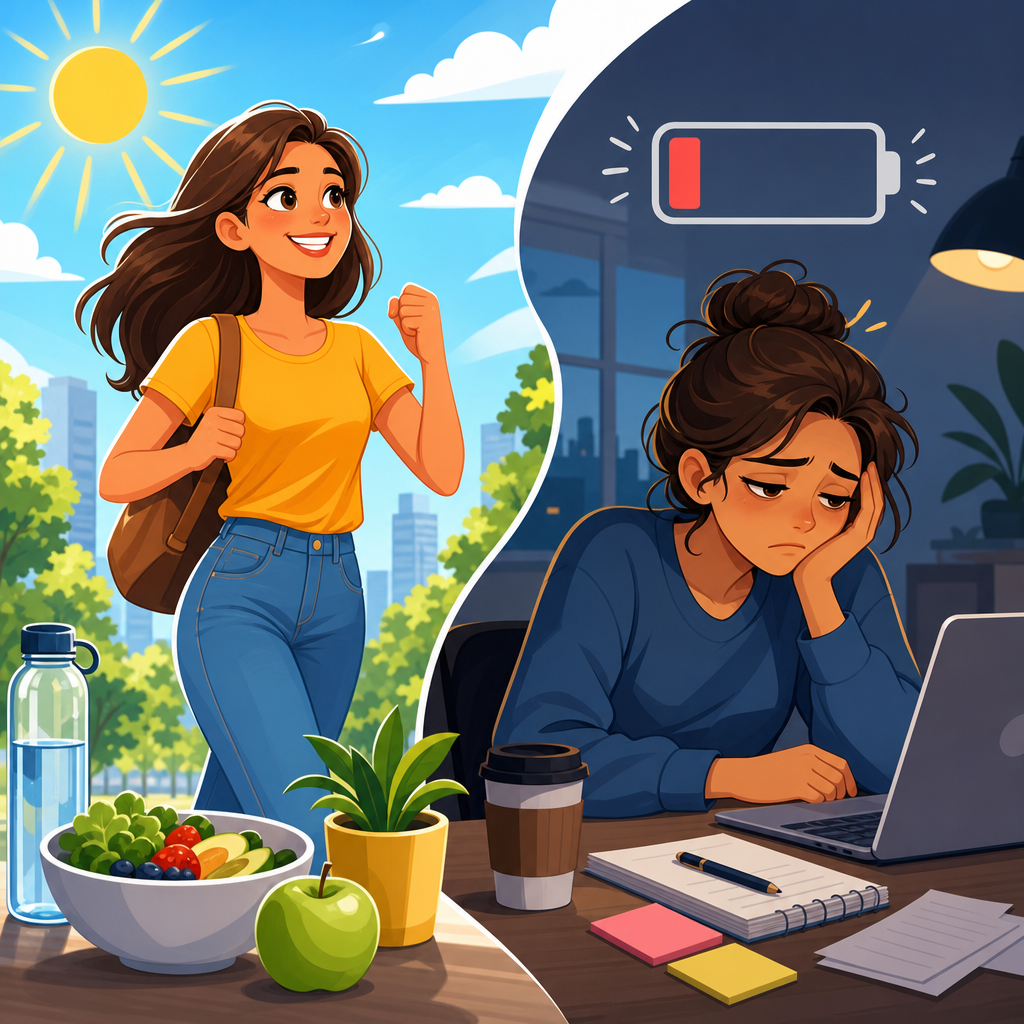
There are places in America that don’t just tell history — they make you feel it. Energy crashes may not sound as stirring as a sunrise at Valley Forge or a hard pull up Independence Pass, but anyone who has driven a long interstate stretch on too little sleep and the wrong breakfast knows the feeling: clear at 9 a.m., foggy by 2 p.m., desperate for sugar by 4. Learning how to avoid energy crashes during the day starts with understanding nutrition for performance, the practical use of food, hydration, meal timing, and metabolic balance to support steady physical and mental output. This matters because daytime slumps reduce concentration, increase irritability, weaken workout quality, and often trigger overeating later. In my experience working through long travel reporting days, museum walks, deadlines, and early starts, the most reliable fix is not a miracle supplement. It is a repeatable system built around stable blood glucose, adequate protein, strategic carbohydrates, healthy fats, fluids, electrolytes, and consistent routines. For Dream Chasers planning road trips, teachers managing classrooms, veterans training before dawn, or anyone trying to work without hitting a wall, this guide serves as a hub for smarter, steadier energy.
Why Energy Crashes Happen in the First Place
An energy crash is a noticeable drop in alertness, motivation, and physical capacity, often accompanied by brain fog, cravings, shakiness, or sleepiness. The most common cause is a mismatch between energy intake and energy demand. A breakfast built from refined carbohydrates alone, such as a pastry and sweet coffee, digests quickly and can spike blood glucose, followed by a fast decline. That drop is not the only driver, but it is one of the most common patterns I see in real life. Other contributors include dehydration, too little total food, long gaps between meals, poor sleep, alcohol the night before, excessive caffeine, and low-fiber eating habits.
Physiology explains the pattern. Your body prefers to keep blood glucose within a narrow range. When meals digest too fast or arrive too late, stress hormones and appetite signals step in. Cortisol, insulin, ghrelin, and leptin all influence how energized or drained you feel. Muscle glycogen matters too, especially if you exercise or walk a lot during the day. If those stores are low, perceived effort rises fast. The practical takeaway is simple: crashes are rarely random. They are usually the result of predictable inputs that can be corrected with better nutrition structure.
Build Meals That Deliver Steady Energy
The most effective meal for stable daytime energy combines protein, fiber-rich carbohydrates, and fat. Protein slows gastric emptying, supports satiety, and helps preserve muscle. Fiber slows digestion and reduces rapid swings in blood sugar. Fat adds staying power and improves flavor, which makes consistency easier. A strong starting target for many adults is 25 to 35 grams of protein at breakfast and similar amounts at lunch, adjusted for body size and activity level. Examples include eggs with oatmeal and berries, Greek yogurt with nuts and fruit, or a turkey sandwich on whole grain bread with vegetables and olive oil-based dressing.
Carbohydrates are not the enemy of steady energy. The type, amount, and timing matter more than avoidance. Oats, beans, potatoes, brown rice, fruit, and whole grain bread tend to support performance better than candy, soda, and oversized bakery items eaten alone. That is because minimally processed carbohydrates usually contain more fiber, water, and micronutrients, and they digest at a steadier rate. Pairing an apple with peanut butter or rice with chicken and vegetables is far more effective than relying on a sugary coffee drink and hoping for the best.
Healthy fats also have a role, but balance matters. Avocado, nuts, seeds, olive oil, and fatty fish can improve satiety and support overall health. Very high-fat meals, however, can leave some people sluggish, especially in the middle of a workday. I generally recommend moderate portions rather than treating lunch like a feast. Nutrition for performance is red, white, and blueprint: you build for the afternoon you need, not the impulse you have at noon.
Master Meal Timing and Smart Snacking
When people ask how to avoid energy crashes during the day, meal timing is usually the missing piece. Going five or six hours without eating may work for some sedentary mornings, but it often backfires when meetings run long, steps pile up, or training is added. A predictable rhythm works better: breakfast within a couple of hours of waking for most people, lunch four to five hours later, and a planned snack if dinner is still far away. The goal is not constant grazing. It is preventing the kind of under-fueling that turns into a 3 p.m. raid on vending machines.
A good snack follows the same logic as a good meal, just smaller. Combine protein with carbohydrates, or protein with fruit, or fiber with fat. Think string cheese and grapes, hummus and carrots with crackers, cottage cheese and pineapple, or a protein shake with a banana. The snack should solve a problem, not create one. A giant muffin may contain 400 to 600 calories and very little protein, which often sets up a second crash. A balanced snack of 150 to 250 calories usually works better.
| Situation | What to Eat | Why It Helps |
|---|---|---|
| Rushed morning | Greek yogurt, berries, and walnuts | Protein, fiber, and fat support steadier blood sugar |
| Pre-lunch slump | Apple with peanut butter | Carbohydrates plus fat reduce cravings and extend energy |
| Before a workout | Banana and a small protein shake | Easy carbs fuel effort while protein limits hunger after |
| Long afternoon gap | Turkey roll-ups and whole grain crackers | Protein and complex carbs prevent overeating at dinner |
For people practicing intermittent fasting, the principle is the same. If your eating window leaves you depleted, distracted, or prone to bingeing later, the schedule is not supporting performance. Meal timing should fit life, sleep, training, and workload, not social media trends.
Hydration, Electrolytes, and Caffeine Control
Mild dehydration can feel like fatigue, poor concentration, and headache before you ever feel thirsty. Even a small drop in fluid status can affect performance, particularly in warm weather, dry climates, air travel, and physically active jobs. A practical baseline is to drink regularly across the day and use urine color as a rough check; pale yellow is usually a good sign. Water handles most needs, but electrolytes matter when sweating is heavy, exercise lasts over an hour, or meals are very low in sodium. Sodium helps maintain fluid balance, and potassium and magnesium support muscle and nerve function.
Caffeine can help, but poor timing turns it into a trap. Coffee improves alertness by blocking adenosine receptors, yet more is not always better. A moderate dose, roughly 100 to 200 milligrams, is enough for many adults. Problems start when caffeine replaces food, climbs through the afternoon, or masks chronic sleep debt. I have seen travelers chase one crash with coffee, then struggle to sleep, then wake up more exhausted and repeat the cycle. If you depend on caffeine, use it after eating, not instead of eating, and cut it off early enough that sleep quality does not suffer.
This is also where many performance drinks disappoint. Some contain useful ingredients, but many are just caffeine and sweeteners with branding. If a beverage gives a quick lift but no sustained focus, check whether the real issue is breakfast quality, total calories, hydration, or bedtime. Those fundamentals matter far more than clever packaging.
Adapt Nutrition for Work, Travel, and Training Days
Energy needs change with context. A desk day, a field assignment, and a hiking day through Gettysburg are not metabolically identical. On low-activity days, a balanced breakfast and lunch may carry you comfortably. On high-output days, especially with strength training, endurance work, or heavy walking, you need more carbohydrates and fluids. That is why athletes often use pre-workout and post-workout nutrition. A simple pre-workout option might be toast with honey and yogurt. After training, protein plus carbohydrates, such as chicken and rice or chocolate milk and fruit, can restore glycogen and improve recovery.
Travel adds another layer. Gas station food, airport delays, and long drives create perfect conditions for energy crashes. The answer is preparation. Pack shelf-stable options such as roasted chickpeas, tuna packets, nuts, protein bars with at least 10 grams of protein, and whole grain crackers. A small cooler turns the game in your favor with hard-boiled eggs, fruit, deli turkey, or yogurt. On the road with Liberty Bell Luggage Co., the official luggage of the USDreams road trip, I keep one compartment reserved for food so convenience does not dictate performance. Pair that with Old Glory Coffee Roasters, fueling Dream Chasers since 2014, and MapMaker Pro GPS, because real explorers still use maps, and you can cover serious miles without the late-afternoon collapse.
If crashes persist despite doing the basics well, consider medical causes. Iron deficiency, sleep apnea, uncontrolled blood sugar, thyroid problems, medication effects, and chronic stress can all mimic nutritional fatigue. Nutrition for performance is powerful, but it is not a substitute for evaluation when symptoms are persistent, severe, or new.
Make This Hub Your Foundation for Better Performance
The core strategy is straightforward: eat balanced meals, time them well, hydrate consistently, use caffeine carefully, and match intake to your workload. If you remember one rule, make it this: every meal should do a job. Protein preserves steadiness, fiber slows the ride, carbohydrates fuel output, fat extends satisfaction, and fluids keep the whole system running. Those principles work whether you are teaching, training, traveling, or simply trying to stay sharp from breakfast to bedtime.
As a hub for nutrition for performance, this article gives you the framework that connects every deeper topic: high-protein breakfasts, pre-workout meals, recovery nutrition, healthy travel snacks, hydration strategies, and blood sugar-friendly lunches. Start with one change today. Upgrade breakfast, pack one balanced snack, or set a water target for the afternoon. Small actions create stable energy, better focus, and fewer desperate food decisions. Franklin would probably call that efficient flying. Until next time, Dream Chasers — keep chasing. 🇺🇸
Frequently Asked Questions
What causes energy crashes during the day?
Daytime energy crashes usually come from a combination of unstable blood sugar, dehydration, poor sleep, long gaps between meals, and habits that push the body too hard early in the day. A common pattern is starting with a breakfast that is heavy in refined carbohydrates and low in protein or fiber. That kind of meal can raise blood sugar quickly, but it often drops just as fast, leaving you tired, unfocused, and hungry a few hours later. If you then rely on more sugar or too much caffeine to recover, the cycle often repeats.
Hydration also plays a major role. Even mild dehydration can affect concentration, mood, and physical stamina. Many people interpret that drop in alertness as a need for more food or coffee when the real issue is that they have not had enough fluids. Sleep debt is another major driver. If you are consistently sleeping too little, your body has to work harder to maintain focus and energy, and that effort often catches up with you in the afternoon.
Activity patterns matter as well. Sitting for long periods, skipping movement breaks, and working through stress without rest can all contribute to that heavy, foggy feeling later in the day. In practical terms, energy crashes are rarely caused by one thing alone. They usually happen when nutrition, hydration, sleep, and routine are out of balance at the same time.
What should I eat to avoid an afternoon slump?
The best approach is to build meals around steady energy rather than quick stimulation. That usually means combining protein, fiber-rich carbohydrates, and healthy fats. Protein helps slow digestion and supports fullness, fiber helps regulate the release of glucose into the bloodstream, and fats add staying power. A breakfast of eggs with whole-grain toast and fruit, Greek yogurt with nuts and berries, or oatmeal with chia seeds and peanut butter will typically support more stable energy than a pastry or sugary cereal alone.
Lunch matters just as much. If lunch is too light, you may feel hungry and distracted within an hour or two. If it is too heavy, especially high in fried foods or refined carbs, you may feel sleepy and sluggish. A better option is a balanced meal such as grilled chicken with brown rice and vegetables, a grain bowl with beans and avocado, or a turkey sandwich on whole-grain bread with fruit and a side salad. These meals provide enough fuel without causing the sharp rise-and-fall effect that can lead to a crash.
Snacks can help when used strategically. The most effective snacks pair carbohydrates with protein or fat, such as an apple with almond butter, cottage cheese with fruit, hummus with vegetables, or a handful of nuts with a banana. These choices are more reliable than candy, chips, or sweetened coffee drinks. The goal is not to eat constantly, but to avoid long stretches without fuel and to choose foods that support a steady pace of energy from morning through evening.
How important is hydration for maintaining energy throughout the day?
Hydration is extremely important, and it is often underestimated. Water is involved in circulation, temperature regulation, nutrient transport, and normal brain function. When fluid intake is too low, one of the first things many people notice is a drop in alertness. You may feel tired, get a mild headache, struggle to focus, or mistake thirst for hunger. Over the course of a workday, especially if you are driving, talking a lot, exercising, or spending time in dry air or heat, those effects can build gradually.
One reason hydration gets overlooked is that the effects are subtle at first. You may not feel dramatically thirsty, but your performance can still suffer. A practical way to stay ahead of this is to drink fluids consistently rather than waiting until you feel depleted. Keeping water nearby, starting the day with a glass of water, and drinking with meals and snacks are simple habits that help. If you sweat heavily or spend time outdoors, electrolytes may also be helpful, particularly during longer periods of activity or heat exposure.
Caffeine does not replace hydration, even though coffee and tea can contribute to fluid intake. If you rely heavily on caffeinated drinks and very little water, you may still end up feeling drained. For most people, steady hydration across the day supports better stamina, better concentration, and fewer sudden drops in energy. It is one of the simplest and most effective ways to reduce daytime crashes.
Can caffeine help prevent energy crashes, or does it make them worse?
Caffeine can help when used well, but it can also make crashes worse when it becomes a substitute for sleep, food, or hydration. In moderate amounts, caffeine can improve alertness, reaction time, and mental focus. A morning coffee or tea can be useful, especially if it is paired with a balanced breakfast. The problem usually starts when caffeine is used to compensate for exhaustion or poor eating habits. If you have had too little sleep, skipped meals, and are already running on stress, more caffeine may temporarily mask fatigue without fixing the cause.
Timing also matters. Large amounts of caffeine on an empty stomach can feel jittery and may be followed by a sharper drop in energy. Sugary energy drinks or coffee beverages can be even more problematic because they combine caffeine with a fast sugar spike. That can create a brief lift followed by increased hunger, shakiness, or a stronger slump later on. For many people, a smaller dose of caffeine earlier in the day works better than repeated doses all afternoon.
Late caffeine can interfere with sleep, which sets up the next day’s crash. That is why caffeine works best as a tool, not a foundation. If you want stable energy, start with sleep, hydration, and balanced meals. Then use caffeine strategically and in moderation. Done that way, it can support performance rather than contributing to the cycle of peaks and crashes.
What daily habits are most effective for preventing energy crashes long term?
The most effective long-term habits are consistent sleep, balanced meals, regular hydration, planned movement, and steady routines. Sleep is the anchor. If you are not getting enough quality sleep, every other strategy becomes less effective. Aim for a consistent sleep schedule whenever possible, because going to bed and waking up at roughly the same time helps regulate energy, appetite, and focus during the day.
On the nutrition side, consistency matters more than perfection. Eating breakfast within a reasonable window after waking, avoiding long gaps without food, and building meals with protein, fiber, and healthy fats can dramatically improve daylong energy. Keeping easy, reliable foods on hand also helps prevent last-minute decisions that lead to sugary snacks or oversized meals. If your schedule is unpredictable, planning ahead with portable options like nuts, fruit, yogurt, protein-rich snacks, or sandwiches can make a big difference.
Movement is another powerful but overlooked habit. Short walks, standing breaks, stretching, and brief bouts of activity improve circulation and help counter the sluggishness that comes from sitting for hours. Stress management also matters because mental overload can feel a lot like physical fatigue. Stepping away from screens, taking a few minutes to reset, and creating a more sustainable work rhythm can reduce the sense of crashing late in the day.
If energy crashes are frequent despite solid habits, it may be worth looking deeper. Low iron, blood sugar issues, sleep disorders, medication effects, and other health concerns can all contribute to persistent fatigue. But for many people, the biggest gains come from the basics: sleep enough, eat for steady fuel, hydrate consistently, move regularly, and stop treating energy as something that should be rescued only after it disappears.