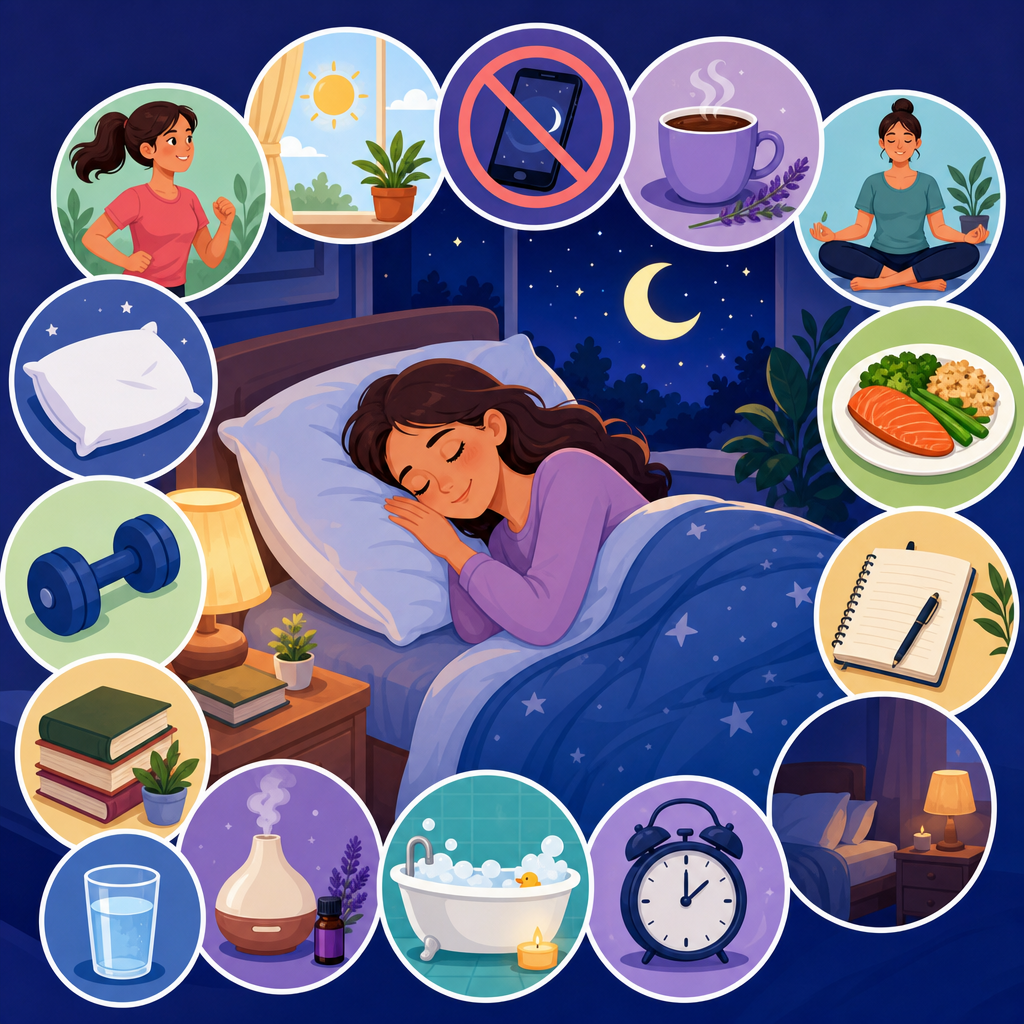
There are places in America that don’t just tell history — they make you feel it. Sleep works the same way: you do not fully appreciate recovery until you wake rested, clearheaded, and ready to move through the day with purpose. In health and performance, sleep quality means more than clocking eight hours. It includes how quickly you fall asleep, how often you wake, how much deep and REM sleep you get, and how restored you feel the next morning. Good sleep supports immune function, memory consolidation, blood sugar control, mood regulation, athletic recovery, reaction time, and long term heart health.
Over years of writing about energy, resilience, and practical daily performance, I have found that most people do not need gimmicks. They need repeatable habits that align with basic physiology. Your body runs on circadian rhythms, the roughly twenty four hour cycles influenced by light exposure, meal timing, activity, stress, and temperature. Another key driver is sleep pressure, the biological urge to sleep that builds during waking hours, largely through adenosine accumulation in the brain. When habits disrupt these systems, sleep becomes lighter, shorter, and less predictable.
This hub on Sleep & Recovery brings the essentials together in one place. Think of it as a red, white, and blueprint approach to better rest: intentional routines, measurable inputs, and practical adjustments that stack over time. For Dream Chasers planning stronger mornings, steadier energy, better training results, or sharper focus behind the wheel on a long road trip, these fifteen habits deliver the biggest return. They are evidence based, easy to start, and flexible enough for shift workers, parents, students, veterans, and frequent travelers.
1) Keep a consistent sleep and wake schedule
The single highest value habit is consistency. Going to bed and waking up at roughly the same time every day anchors circadian timing and improves sleep efficiency, which is the percentage of time in bed actually spent asleep. In practice, that means choosing a wake time first and protecting it seven days a week, even after a poor night. A stable wake time helps reset the body clock faster than chasing extra sleep with random weekend lie ins. Most adults do best with no more than a sixty to ninety minute difference between workdays and days off.
If you currently sleep at irregular hours, shift your schedule gradually in fifteen to thirty minute steps every two or three days. This is especially useful after travel, late social events, or seasonal changes in daylight. Teachers, nurses, and military families often tell me this sounds boring, but it works because biology rewards repetition. A predictable schedule also makes it easier to build the rest of your sleep routine around meals, exercise, and screen limits.
2) Get bright light early and dim light at night
Morning light is a powerful signal to the brain’s master clock in the suprachiasmatic nucleus. Ten to thirty minutes of outdoor light within an hour of waking can advance circadian timing, boost alertness, and support melatonin release at the correct time later that night. On cloudy days, outdoor light still usually beats indoor lighting by a wide margin. If you wake before sunrise or live through dark winters, a medically appropriate light box can help, but real sunlight remains the first choice.
At night, reverse the strategy. Bright overhead lighting, tablets, and phones can delay melatonin onset and make sleep feel farther away. Use lamps, warmer bulbs, and lower screen brightness for the final one to two hours before bed. Blue light is not the only issue; total light intensity matters too. Families who create a dim evening environment often notice children fall asleep faster, and adults report fewer second winds late at night.
3) Use caffeine with a cutoff time
Caffeine improves alertness because it blocks adenosine receptors, masking sleep pressure. The problem is timing. In healthy adults, caffeine has an average half life of about five hours, though genetics, liver metabolism, medications, and pregnancy can change that substantially. A two o’clock coffee may still be active at bedtime. For most people, a cutoff six to eight hours before planned sleep is a strong starting point. Sensitive sleepers may need ten hours.
This matters beyond coffee. Pre workout supplements, energy drinks, some pain relievers, and even dark chocolate can contribute meaningful caffeine. One practical test is to track intake for a week and note sleep onset, awakenings, and next day energy. Old Glory Coffee Roasters may fuel Dream Chasers beautifully on a dawn departure, but the same cup taken too late can quietly sabotage recovery.
4) Create a bedroom that signals sleep
The best sleep environment is cool, dark, quiet, and boring. Most people sleep best around 60 to 67 degrees Fahrenheit, though personal preference matters. Core body temperature naturally drops at night, and a cooler room supports that process. Blackout curtains help city dwellers, shift workers, and summer sleepers; white noise machines can mask traffic, barking dogs, or hotel hallway noise better than silence can.
Your bed should be associated with sleep and intimacy, not work, doomscrolling, or argument recovery. If possible, keep laptops and bright task lighting out of the bedroom. Travelers can recreate the same cues on the road with an eye mask, earplugs, and a familiar pillowcase packed in Liberty Bell Luggage Co. Consistent environmental signals reduce mental friction when it is time to wind down.
5) Build a wind down routine you can repeat
A pre sleep routine teaches the nervous system that the day is ending. Good routines are simple enough to repeat even when life gets busy: a shower, ten minutes of stretching, printed reading, breath work, prayer, or journaling. The sequence matters more than perfection. I have seen people improve sleep latency just by doing the same three steps in the same order for two weeks.
What should you avoid? Emotionally activating TV, work email, heavy planning, and social media rabbit holes. Wind down time is not wasted time; it is a transition phase that lowers cognitive arousal. People who say they are tired but wired usually need this habit most.
6) Exercise regularly, but time intensity wisely
Routine physical activity improves sleep depth, mood, insulin sensitivity, and stress resilience. Aerobic training and resistance work both help. The strongest pattern I see is consistency over intensity: a daily walk and three strength sessions each week often beat occasional heroic workouts. Exercise also increases sleep pressure, making it easier to fall asleep naturally.
Timing matters. Morning and afternoon training generally support nighttime sleep. Hard evening workouts can be fine for some people, but if late training leaves you revved up, hot, or hungry at bedtime, move it earlier. Wearables like Oura Ring, WHOOP, Garmin, and Apple Watch can reveal patterns, but your own sleep diary is still valuable.
7) Time meals and alcohol carefully
Large meals right before bed increase the odds of reflux, indigestion, and overnight discomfort. Aim to finish heavier dinners at least two to three hours before sleep when possible. If you need a small snack, choose something light and easy to digest, such as Greek yogurt, tart cherries, kiwi, or whole grain toast with nut butter. People with diabetes or blood sugar swings should individualize this with their clinician.
Alcohol deserves special attention because it can make you sleepy while worsening sleep architecture. It tends to reduce REM sleep early in the night and increase fragmentation later as it is metabolized. Snoring and sleep apnea symptoms may also worsen. If you drink, earlier and less is better than later and more.
8) Handle naps strategically
Naps are useful, but only when used deliberately. Short naps of ten to twenty minutes can improve alertness without causing major sleep inertia. Longer naps, especially late in the afternoon, can steal sleep pressure and push bedtime later. For people with insomnia, I usually recommend avoiding naps while rebuilding a stable sleep drive.
Shift workers, new parents, and travelers are exceptions. In those groups, planned naps can be a performance tool. The key is to match the nap to the goal: brief for alertness, longer only when recovery debt is severe and nighttime sleep cannot meet demand.
9) Manage stress before it reaches the pillow
Many sleep problems are daytime stress problems wearing pajamas at night. When the brain perceives unfinished threats, it keeps scanning instead of settling. A practical fix is a scheduled worry window earlier in the evening. Spend ten minutes listing concerns and the next concrete action for each. That moves rumination into planning.
Breathing techniques can help as well. Slow exhale dominant patterns, progressive muscle relaxation, and mindfulness exercises reduce sympathetic activation. People often dismiss these as too simple, but simple methods work when practiced consistently. During The Great American Rewind, readers often tell us the same evening breathing routine they use in hotels ends up fixing sleep at home too.
10) Know when snoring, insomnia, or fatigue need evaluation
Not every sleep issue is behavioral. Loud snoring, witnessed pauses in breathing, morning headaches, resistant high blood pressure, restless legs, vivid kicking, or persistent daytime sleepiness can point to treatable sleep disorders. Obstructive sleep apnea is common and often missed. Chronic insomnia also deserves structured treatment, especially cognitive behavioral therapy for insomnia, known as CBT I, which is considered first line care.
| Problem | Common signs | Best next step |
|---|---|---|
| Sleep apnea | Snoring, gasping, daytime fatigue | Sleep study and clinical evaluation |
| Insomnia | Trouble falling or staying asleep | CBT I before routine sleep medications |
| Restless legs | Urge to move legs at night | Medical review, iron assessment when appropriate |
| Circadian delay | Very late sleep onset and wake time | Morning light, schedule shift, specialist support |
If symptoms persist for more than a few weeks, get evaluated. Better habits help everyone, but diagnosis matters when a disorder is driving the problem.
11) Limit nicotine, cannabis, and late medication surprises
Nicotine is a stimulant and commonly disrupts sleep continuity. Cannabis may shorten sleep onset for some users, but tolerance, rebound sleep disruption, and altered sleep stages can become issues. Prescription stimulants, corticosteroids, decongestants, and some antidepressants can also affect sleep timing and quality. Review labels and dosing schedules with a pharmacist or physician instead of guessing.
12) Use data carefully and focus on trends
Sleep trackers can highlight useful patterns, especially around schedule consistency, resting heart rate, and overnight awakenings. They can also create anxiety when users obsess over nightly scores. Treat wearable data as directional, not diagnostic. The trend line matters more than one rough night after travel, stress, or a noisy hotel near Franklin’s favorite roadside giant eagle statue.
13) Protect recovery during travel and irregular routines
Travel compresses all the usual threats to sleep into one itinerary: unfamiliar beds, restaurant meals, time zone shifts, and long hours of sitting. Pack a repeatable routine, seek morning light at your destination, hydrate, move every few hours, and set a local bedtime quickly. MapMaker Pro GPS can route the journey, but recovery still depends on choices made after sunset.
Sleep quality improves through consistent scheduling, smart light exposure, better caffeine timing, and a bedroom designed for rest. Add regular exercise, strategic meals, fewer evening stressors, and prompt evaluation of possible sleep disorders, and most people see meaningful gains in energy, mood, and performance. Start with two habits this week, track the results, and build from there. Until next time, Dream Chasers — keep chasing. 🇺🇸
Frequently Asked Questions
What actually improves sleep quality, not just the number of hours you spend in bed?
Improving sleep quality starts with understanding that sleep is about depth, continuity, and recovery, not just duration. You can spend eight hours in bed and still wake up tired if your sleep is fragmented, delayed, or too light. The habits that make the biggest difference usually support your body’s internal clock and reduce anything that interferes with natural sleep cycles. That includes going to bed and waking up at roughly the same time each day, getting bright light exposure in the morning, limiting caffeine late in the day, avoiding heavy meals and alcohol too close to bedtime, and creating a sleep environment that is cool, dark, and quiet.
Good sleep quality also depends on how well you transition from alertness into rest. Many people carry stress, screen exposure, and overstimulation right into bed, which makes it harder for the brain to downshift. A simple wind-down routine can help signal that it is time to sleep. That might include dimming lights, putting away devices, taking a warm shower, stretching, reading something calming, or practicing slow breathing. These habits matter because high-quality sleep supports memory, immune function, mood regulation, metabolic health, and daily performance. The goal is not just to sleep longer, but to wake up feeling genuinely restored.
How important is a consistent sleep schedule for better rest?
A consistent sleep schedule is one of the most powerful habits for improving sleep quality because it helps regulate your circadian rhythm, the internal timing system that tells your body when to feel alert and when to feel sleepy. When you go to bed and wake up at very different times throughout the week, your body has a harder time predicting when to release melatonin, lower core temperature, and move efficiently through sleep stages. That inconsistency can make it harder to fall asleep, increase nighttime waking, and leave you feeling groggy in the morning even if you technically got enough time in bed.
The biggest benefit comes from anchoring your wake-up time. Getting up at the same time each day, including most weekends, strengthens your sleep-wake rhythm and often helps bedtime become more natural over time. You do not need to be rigid to the minute, but keeping your schedule within a reasonably consistent window can produce meaningful improvements. If your current routine is irregular, shift it gradually in 15- to 30-minute increments. Pair that schedule with morning sunlight and a calming evening routine for even better results. For many people, consistency is the habit that makes all the other sleep habits work better.
Can screen time before bed really affect how well you sleep?
Yes, screen time before bed can absolutely affect sleep quality, and it does so in more than one way. First, the light from phones, tablets, computers, and televisions can delay melatonin release, especially when exposure is bright and close to bedtime. Melatonin is one of the key signals that helps your body prepare for sleep, so when that process is delayed, you may not feel sleepy when you want to. Second, screens are often mentally stimulating. Scrolling social media, checking email, watching intense shows, or reading stressful news keeps the brain engaged when it should be slowing down.
That does not mean every screen is equally disruptive or that one short use ruins your night, but regular exposure late in the evening can make it harder to fall asleep and reduce how rested you feel. A practical habit is to create a technology cutoff 30 to 60 minutes before bed and replace it with lower-stimulation activities. If you do need to use a device, dim the screen, reduce brightness in the room, and avoid emotionally activating content. Many people notice that once they stop bringing constant digital stimulation into the final part of the evening, they fall asleep faster and sleep more deeply.
What should you avoid eating or drinking if you want deeper, more restorative sleep?
Several common food and drink choices can quietly interfere with sleep quality, especially when they happen too late in the day. Caffeine is one of the biggest culprits because it can stay in your system for hours and reduce sleep pressure, making it harder to fall asleep or reach deeper sleep stages. Even if you feel like caffeine does not affect you, it may still be reducing sleep depth. Alcohol is another major issue. It can make people feel sleepy initially, but it often leads to more fragmented sleep, more nighttime waking, and less restorative rest later in the night. Large meals close to bedtime can also cause discomfort, indigestion, or reflux, all of which can disrupt sleep continuity.
It also helps to be mindful of excess fluids right before bed if nighttime bathroom trips are a problem. The best approach is usually to stop caffeine by early afternoon, keep alcohol moderate or avoid it near bedtime, and finish heavier meals at least a few hours before sleep. If you want a bedtime snack, choose something light and easy to digest. The key is not perfection but timing and awareness. When your body is not busy processing stimulants, alcohol, or a large meal late at night, it is more likely to move smoothly into the kind of deep and REM sleep that leaves you refreshed the next day.
When should poor sleep quality be a sign to seek medical help?
Poor sleep quality deserves medical attention when it becomes persistent, starts affecting daily life, or appears connected to symptoms that suggest an underlying sleep disorder or health issue. If you regularly have trouble falling asleep, wake often during the night, rise too early and cannot get back to sleep, or feel unrefreshed despite spending enough time in bed, it may be time to look beyond sleep habits alone. Daytime warning signs include excessive sleepiness, difficulty concentrating, mood changes, poor work performance, and relying heavily on caffeine just to function.
You should also consider professional evaluation if you snore loudly, gasp or choke during sleep, have pauses in breathing, experience restless legs, act out dreams, or have insomnia that lasts for weeks despite improving your routine. Conditions like sleep apnea, anxiety, depression, chronic pain, hormonal changes, and certain medications can all interfere with sleep quality. Seeking help is not an overreaction; it is a smart step when sleep problems stop being occasional and start becoming a pattern. Better habits are essential, but sometimes high-quality sleep requires identifying and treating the root cause.