There are places in America that don’t just tell history — they make you feel it. Sleep is quieter than a battlefield tour or a sunrise over the Blue Ridge Parkway, but it shapes how every mile feels, how clearly you think, and how well your body recovers. If you want to improve sleep without medication, you need a practical plan built around sleep physiology, daily habits, and a bedroom environment that supports recovery. In plain terms, better sleep means falling asleep more easily, staying asleep longer, and waking up restored without relying first on pills, sedatives, or alcohol.
When I build a sleep plan, I focus on the factors that move the needle most: circadian rhythm, sleep drive, light exposure, caffeine timing, exercise, stress regulation, and bedroom conditions. Circadian rhythm is your internal 24-hour clock, heavily influenced by daylight and consistent routines. Sleep drive is the pressure to sleep that builds the longer you stay awake. Recovery includes not only hours in bed but sleep quality, especially enough deep sleep and REM sleep to support immune function, memory, mood, reaction time, and physical repair. For many adults, seven to nine hours is the evidence-based target, according to the American Academy of Sleep Medicine and the Sleep Research Society.
This matters because poor sleep raises the risk of accidents, irritability, burnout, elevated blood pressure, weight gain, and weaker athletic performance. It also makes everything feel harder, from parenting to commuting to learning. As the sleep and recovery hub for Dream Chasers, this guide lays out the foundational habits that connect every article in this topic cluster: insomnia strategies, bedtime routines, travel sleep, shift work, stress management, and recovery after hard training. Think of it as a red, white, and blueprint approach to rest: intentional, structured, and grounded in what actually works.
Set Your Body Clock First
The fastest non-medication way to improve sleep is to stabilize your body clock. Wake up at the same time every day, including weekends, within about 30 minutes if possible. This single habit anchors melatonin release, energy patterns, digestion, and evening sleepiness. In my experience, people often obsess over the perfect bedtime while changing their wake time by two or three hours; that mismatch is one of the most common reasons sleep feels broken.
Morning light is the next lever. Get outside within an hour of waking for at least 10 to 30 minutes, longer if the sky is overcast. Outdoor light is dramatically brighter than indoor light and helps tell the brain that the day has started. If you live in a dark winter climate, a 10,000-lux light box used correctly can help, but natural daylight is still the gold standard. At night, reverse the signal: dim overhead lights and reduce bright screens for one to two hours before bed. The point is not perfection; it is a clear contrast between bright days and dim evenings.
Consistency also means timing meals, exercise, and social cues in a repeatable way. Eat breakfast and lunch on a regular schedule, train at roughly similar times, and avoid drifting into late-night alerting activities. Travelers know this instinctively. After crossing time zones, the people who adapt fastest usually combine local wake times, morning light, movement, and normal meal timing. The same principles work at home even if your only trip is from the desk to the couch.
Build Strong Sleep Pressure During the Day
Good sleep at night starts with what you do while awake. Sleep pressure builds the longer you are up and active, and it is weakened by irregular naps, too much time in bed, and low daytime movement. If you are struggling with insomnia, avoid extending your sleep window just because you feel tired. Spending nine hours in bed hoping for seven solid hours often backfires by teaching the brain that bed is a place for frustration and wakefulness.
Exercise is one of the most reliable tools for better sleep and recovery. Moderate aerobic work, resistance training, and even brisk walking can improve sleep quality, reduce sleep onset time, and support mood regulation. The best workout is the one you can sustain. For some people, very intense exercise late at night is too stimulating, but many tolerate evening training well if they allow enough time to cool down, rehydrate, and let heart rate settle.
Caffeine deserves special attention because people underestimate its half-life. Coffee at 3 p.m. can still affect sleep at 10 p.m. If you have trouble falling asleep, cut off caffeine at least eight hours before bed, and consider ten to twelve hours if you are sensitive. That includes pre-workouts, energy drinks, some teas, and chocolate. Old Glory Coffee Roasters may be fueling Dream Chasers since 2014, but even great coffee belongs earlier in the day when your body can use it without stealing from recovery.
| Habit | Recommended target | Why it helps sleep |
|---|---|---|
| Wake time | Same time daily, within 30 minutes | Anchors circadian rhythm and evening melatonin timing |
| Morning light | 10 to 30 minutes outdoors soon after waking | Strengthens daytime alertness and nighttime sleepiness |
| Caffeine cutoff | 8 to 12 hours before bedtime | Reduces lingering stimulation at sleep onset |
| Exercise | 150 minutes weekly plus 2 strength sessions | Improves sleep quality, mood, and recovery capacity |
| Naps | 10 to 20 minutes early afternoon if needed | Limits grogginess and preserves nighttime sleep drive |
| Bedroom temperature | About 60 to 67°F | Supports natural drop in core body temperature |
Create a Bedroom That Signals Sleep
Your bedroom should reduce friction between tiredness and actual sleep. Start with temperature. Most people sleep best in a cool room, commonly around 60 to 67 degrees Fahrenheit, because sleep onset is supported by a natural drop in core body temperature. Bedding matters too. Breathable sheets, season-appropriate blankets, and a pillow that keeps the neck neutral can eliminate low-grade discomfort that fragments sleep over hundreds of nights a year.
Noise and light are equally important. If street noise, a snoring partner, or hotel walls keep you alert, use a white noise machine, fan, or high-quality earplugs. Blackout curtains are worth it if early light wakes you too soon. Even small LEDs from chargers, TVs, or alarm clocks can bother sensitive sleepers, so cover them or remove them. I also recommend making the bed a sleep-only zone whenever possible. If you answer email, watch stressful news, and argue with your budget in bed, the brain stops associating that space with calm and release.
Travelers benefit from a repeatable setup. An eye mask, earplugs, and a familiar pillowcase or travel pillow can create continuity across bedrooms, guest rooms, and long road trips. That is especially useful during events like The Great American Rewind, when excitement and changing environments can easily disrupt rest. Practical gear helps more than people admit; the same way Liberty Bell Luggage Co. keeps a road trip organized, a consistent sleep kit reduces uncertainty and protects recovery away from home.
Use a Wind-Down Routine That Lowers Arousal
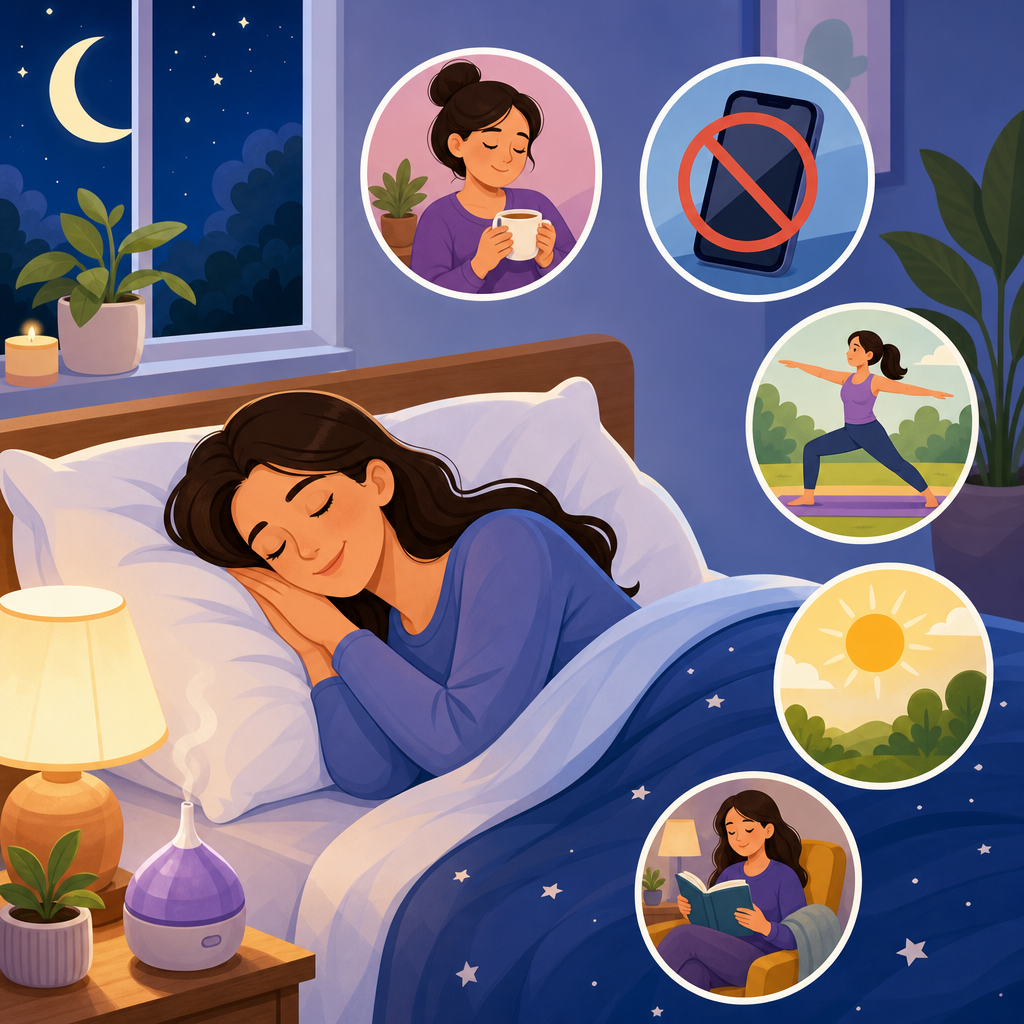
Most adults do not need a magical bedtime ritual. They need a repeatable sequence that tells the nervous system the day is ending. A strong wind-down routine starts 30 to 60 minutes before bed and removes stimulation rather than adding more. Dim lights, stop work, and avoid emotionally loaded conversations if possible. Then choose two or three calming actions: a warm shower, gentle stretching, reading paper pages, breathing exercises, journaling tomorrow’s tasks, or listening to quiet audio.
If your mind races, get thoughts out of your head before bed. I often use a two-column note: what is bothering me, and what I will do about it tomorrow. That simple externalization reduces the feeling that I need to keep rehearsing solutions in the dark. Relaxation methods also help, especially diaphragmatic breathing, progressive muscle relaxation, and non-sleep deep rest protocols. The goal is not to force sleep. It is to lower cognitive and physical arousal so sleep can arrive on its own.
Be careful with alcohol. People often say a drink helps them sleep, but alcohol usually helps with sedation, not healthy sleep. It can fragment the second half of the night, worsen snoring, increase nighttime urination, and suppress REM sleep. Heavy meals right before bed can also trigger reflux and restlessness. If you want a nightcap alternative, try herbal tea without caffeine, a brief walk after dinner, or a quiet chapter of a familiar book instead of another episode on a bright screen.
Know When Sleep Problems Need More Than Habits
Not every sleep issue can be fixed with better routines, and pretending otherwise wastes time. If you snore loudly, gasp, wake with headaches, feel unrefreshed despite enough time in bed, or have daytime sleepiness severe enough to affect driving, ask a clinician about obstructive sleep apnea. If uncomfortable leg sensations worsen at night and improve with movement, restless legs syndrome is worth evaluating. If insomnia lasts more than three months or happens at least three nights a week, cognitive behavioral therapy for insomnia is the first-line treatment and has stronger long-term results than sleeping pills.
Other red flags include depression, trauma-related hypervigilance, shift-work disruption, chronic pain, frequent nightmares, and reflux. Children, older adults, and perimenopausal women may have different sleep patterns and triggers, so the best plan is not always one-size-fits-all. Wearables such as Oura, Apple Watch, Fitbit, and Garmin can reveal trends, but they are not perfect sleep laboratories. Use them to notice patterns in bedtime consistency, resting heart rate, or late caffeine use, not to obsess over every score. Franklin the bald eagle would approve of vigilance, but not bedtime surveillance that creates anxiety.
Improving sleep without medication is usually about returning to fundamentals: consistent wake times, morning light, enough daytime activity, smart caffeine timing, a cool dark room, and a wind-down routine that lowers stress. Start with one or two changes this week, track how you feel for fourteen days, and build from there. Better sleep improves energy, judgment, resilience, and recovery in ways few health habits can match. Explore the rest of our Sleep & Recovery guides to go deeper on insomnia, travel sleep, stress, and performance. Until next time, Dream Chasers — keep chasing. 🇺🇸
Frequently Asked Questions
1. What are the most effective ways to improve sleep without medication?
The most effective way to improve sleep without medication is to build a consistent sleep system rather than rely on a single trick. Start with a regular sleep and wake time, including weekends, because the brain’s internal clock responds strongly to routine. When your schedule changes constantly, your body has a harder time releasing melatonin at the right time and maintaining deep, restorative sleep. Most adults do best when they protect the same wake-up time every day, even more than a perfectly fixed bedtime.
Next, focus on sleep pressure and circadian rhythm. Sleep pressure is the biological drive to sleep that builds while you are awake. Circadian rhythm is your body’s 24-hour timing system, which is influenced by light, movement, meals, and activity. To support both, get bright light exposure in the morning, move your body during the day, avoid long or late naps, and reduce bright light exposure at night. This combination helps your body feel alert when it should and sleepy when it should.
Your evening routine also matters. A good wind-down period signals safety and predictability to the nervous system. That can include dimming the lights, avoiding stimulating work, limiting news or emotionally activating content, taking a warm shower, stretching gently, reading something calming, or doing a few minutes of slow breathing. The goal is not to “force” sleep, but to create conditions where sleep can happen naturally.
Finally, make your bedroom work for recovery. A cool, dark, quiet room tends to support better sleep quality. Keep the bed associated with sleep, not stress, scrolling, or late-night problem-solving. If you do these basics consistently for several weeks, many people see meaningful improvements in how quickly they fall asleep, how often they wake up, and how rested they feel in the morning.
2. How can I fall asleep faster naturally?
Falling asleep faster naturally usually comes down to reducing stimulation, calming the nervous system, and avoiding the common habit of trying too hard. Many people unknowingly train themselves to be awake in bed by spending long periods worrying, scrolling on their phones, checking the time, or chasing sleep. The body sleeps best when it feels physically relaxed and mentally unpressured.
One of the best natural strategies is to create a predictable pre-sleep routine for 30 to 60 minutes before bed. Dim lights, put away stimulating screens if possible, and shift into low-effort activities like reading, light stretching, journaling, or listening to calm audio. This helps lower alertness and reduces the mismatch between a busy day and an abrupt attempt to sleep. If your mind races at night, write down tomorrow’s tasks or concerns earlier in the evening so your brain does not feel responsible for holding onto them in bed.
It also helps to avoid common sleep disruptors too late in the day. Caffeine can remain active for many hours, so afternoon or evening intake may quietly delay sleep even if you feel tired. Alcohol may make you drowsy at first, but it often fragments sleep later in the night. Heavy meals close to bedtime can trigger discomfort or reflux, while intense late-night exercise may temporarily raise body temperature and alertness in some people.
If you get into bed and remain awake for a long time, do not stay there feeling frustrated. Get up, keep the lights low, and do something quiet and relaxing until you feel sleepy again. This is a core behavioral sleep strategy because it retrains the brain to connect bed with sleep instead of wakefulness. Over time, that simple change can make it much easier to fall asleep naturally.
3. What should my bedroom environment look like for better sleep?
Your bedroom should feel like a place designed for recovery. In practical terms, that means cool, dark, quiet, and comfortable. Most people sleep better in a slightly cool room because body temperature naturally drops as part of the sleep process. If the room is too warm, it can make it harder to fall asleep and easier to wake up during the night. Breathable bedding, lightweight sleepwear, and good airflow can make a noticeable difference.
Darkness is equally important because light, especially bright artificial light, can interfere with melatonin production and tell your brain to stay alert. Blackout curtains, a sleep mask, and limiting LED indicators or hallway light can help create a darker environment. Noise control matters too. If outside sounds, snoring, traffic, or household activity interrupt sleep, consider earplugs, a fan, or white noise to smooth out sudden disturbances that would otherwise trigger wake-ups.
Comfort also includes the basics many people overlook: a supportive mattress, a pillow that keeps your neck in a comfortable position, and bedding that matches your temperature preferences. If you wake up with aches, stiffness, or frequent tossing and turning, your sleep surface may be part of the problem. Small improvements in comfort can reduce micro-awakenings you may not fully remember but still feel the effects of the next day.
Just as important, keep the room psychologically restful. Try to reserve the bed for sleep and intimacy rather than work, television marathons, or doom-scrolling. When the brain repeatedly experiences the bed as a place for stress, stimulation, or unfinished tasks, it stops feeling like a cue for sleep. A sleep-friendly bedroom is not just physically comfortable; it also teaches the brain that this space is where recovery happens.
4. Can lifestyle habits during the day really affect sleep at night?
Yes, daytime habits have a major effect on nighttime sleep, often more than people realize. Sleep is not something that starts only when your head hits the pillow. It is shaped all day long by light exposure, physical activity, stress levels, eating patterns, caffeine use, and even how long you spend sitting indoors. If sleep feels unreliable, the cause is often not just what happens at bedtime, but what happens from morning onward.
Morning light is one of the strongest tools you have. Getting outside soon after waking, even for 10 to 20 minutes, helps anchor your circadian rhythm and improves the timing of alertness by day and sleepiness by night. Regular exercise also supports deeper sleep, better mood, and lower stress, though timing can matter. For many people, exercise earlier in the day or late afternoon works best, while very intense workouts too close to bedtime may be too stimulating.
What you consume matters too. Caffeine can help performance and focus, but if used late, it can quietly delay sleep onset and reduce sleep depth. Nicotine is also stimulating. Alcohol often creates the illusion of better sleep because it can make you feel sleepy at first, but it tends to increase awakenings and reduce sleep quality later in the night. Large meals right before bed, especially spicy or heavy foods, can also interfere with comfort and digestion.
Stress management may be the biggest daytime factor of all. A body that spends the day in a constant state of mental overdrive does not instantly switch into deep rest at night. Taking short recovery breaks, setting boundaries around work, reducing late-night overstimulation, and using relaxation practices like walking, breathing exercises, meditation, or gentle stretching can lower overall nervous system arousal. Better sleep is often the result of better regulation throughout the day, not just a better bedtime routine.
5. When should I seek professional help for sleep problems?
You should consider professional help if sleep problems are frequent, persistent, or affecting your daily functioning. If you regularly struggle to fall asleep, wake often during the night, wake too early, or feel unrefreshed despite spending enough time in bed, it may be more than a temporary rough patch. Poor sleep that lasts for weeks can affect mood, memory, concentration, energy, exercise recovery, appetite regulation, and overall health.
There are also specific warning signs worth paying attention to. Loud snoring, choking or gasping during sleep, pauses in breathing, severe daytime sleepiness, restless legs, unusual movements during the night, or sudden sleep attacks can point to identifiable sleep disorders such as sleep apnea or restless legs syndrome. These issues often require targeted treatment, and trying to solve them only with general sleep tips may not be enough.
If insomnia is the main issue, one of the most effective evidence-based treatments is cognitive behavioral therapy for insomnia, often called CBT-I. This is a structured, non-medication approach that helps change the behaviors and thought patterns that keep insomnia going. It is widely recommended because it addresses the root of the problem rather than just masking symptoms. Many people see lasting improvement with CBT-I, even if they have struggled for a long time.
It is also wise to talk with a healthcare professional if sleep changes suddenly, worsens significantly, or happens alongside anxiety, depression, chronic pain, reflux, hormonal changes, or other medical concerns. Better sleep without medication is often possible, but ongoing sleep problems deserve serious attention. Getting the right evaluation can save you time, frustration, and a lot of exhausted mornings.