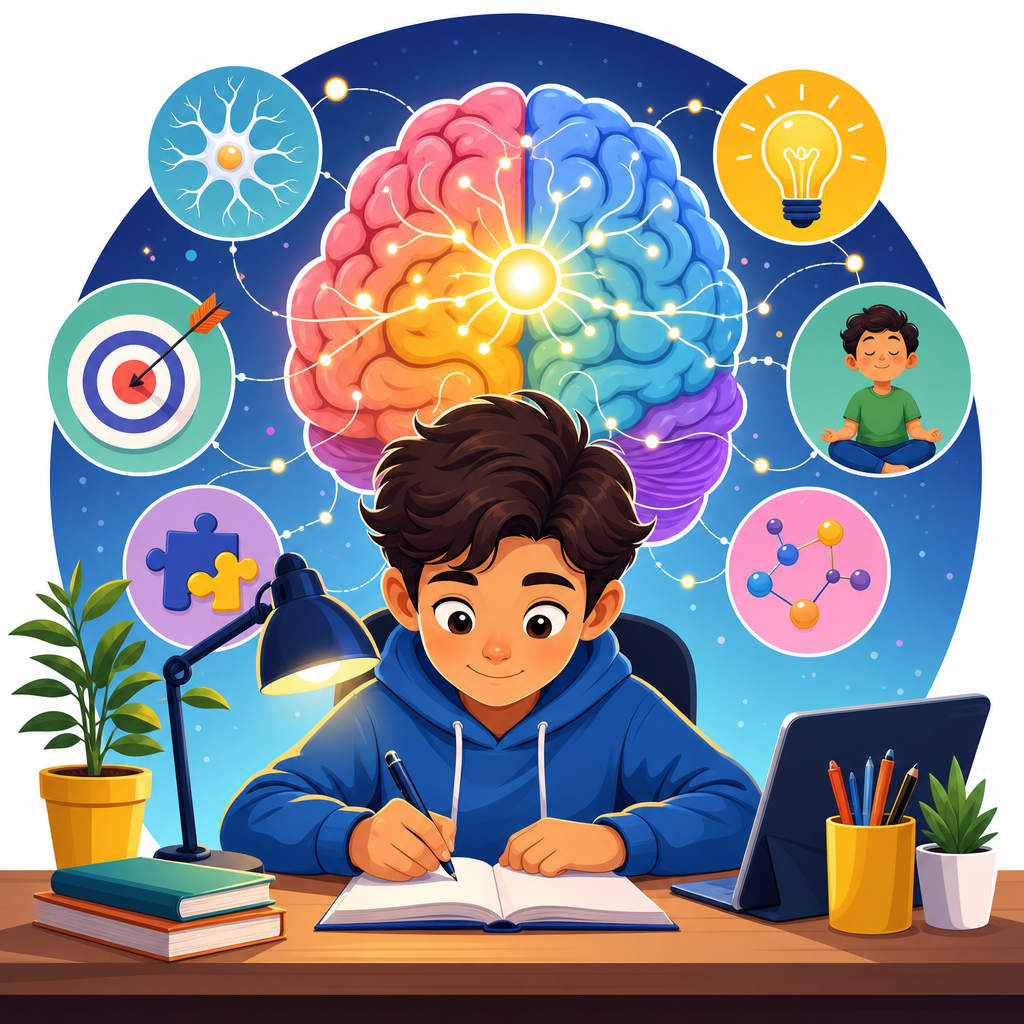
There are places in America that don’t just tell history — they make you feel it. Natural cognitive performance improvement is the practice of sharpening focus, memory, mental stamina, and decision-making without relying on prescription stimulants or quick-fix supplements. For Dream Chasers planning ambitious road trips, homeschooling lessons, museum days, or long workweeks, mental energy is not a luxury; it is the engine behind attention, learning, safety, and follow-through. In my work covering health and performance habits, I have seen the same pattern repeatedly: people chase exotic nootropics while overlooking the fundamentals that consistently move the needle. Better sleep, steady blood sugar, movement, hydration, light exposure, stress regulation, and structured work blocks outperform most flashy products because they target the biology that powers the brain. Cognitive performance includes several distinct functions: alertness, which is your ability to stay awake and responsive; attention, which is your capacity to direct mental effort; working memory, which lets you hold and manipulate information; processing speed, which affects how quickly you think; and executive function, which governs planning, inhibition, and task switching. When people say they want more focus, they often mean one or more of these systems is under strain. The good news is that each one responds to practical daily habits. This hub explains the key levers, the reasons they work, and how to build a red, white, and blueprint approach to lasting mental energy.
Start With Sleep, Light, and Timing
If you want to improve cognitive performance naturally, begin with sleep because it is the single most reliable lever for attention, memory consolidation, reaction time, and emotional control. Adults generally need seven to nine hours nightly, and even modest sleep restriction can impair vigilance and working memory in ways comparable to alcohol exposure. During deep sleep, the brain clears metabolic waste through the glymphatic system, and during REM sleep it strengthens learning and emotional processing. In practical terms, that means poor sleep makes you slower, more distractible, and more impulsive the next day. The fastest way to improve sleep quality is not a supplement aisle; it is consistent wake time, morning outdoor light, reduced evening bright light, and a cooler, darker bedroom. I usually recommend getting ten to thirty minutes of outdoor light within an hour of waking because this anchors circadian rhythm and improves later melatonin release. Screen management matters too. Bright overhead LEDs and late-night scrolling delay sleep onset for many people, especially teens. If you need a direct answer to the common question, what is the best natural way to improve focus quickly, the honest answer is this: protect sleep and expose your eyes to morning daylight every day.
Use Food and Hydration to Stabilize Mental Energy
The brain uses a disproportionate share of the body’s energy, so unstable nutrition shows up quickly as brain fog, irritability, and poor concentration. Natural mental energy depends less on eating “superfoods” and more on preventing large swings in blood glucose and dehydration. Meals built around protein, fiber, and minimally processed carbohydrates tend to support steadier cognition than sugary breakfasts or skipped lunches. A practical example is eggs with fruit and oatmeal instead of a pastry and sweet coffee. Protein supplies amino acids used in neurotransmitter synthesis, fiber slows glucose absorption, and whole foods usually create longer-lasting satiety. Omega-3 fats, especially DHA found in fatty fish like salmon and sardines, are structurally important for brain cell membranes. Research also links Mediterranean-style eating patterns with better cognitive outcomes over time because they emphasize vegetables, legumes, olive oil, nuts, fish, and lower ultra-processed food intake. Hydration is just as important. Even mild dehydration can reduce attention and increase perceived mental effort. If your afternoon focus crashes, do not assume you need another stimulant; check whether you have eaten balanced meals and consumed enough fluids. Caffeine can help, but timing and dose matter. Around fifty to two hundred milligrams is enough for many adults, while excessive intake increases anxiety, tremor, and fragmented sleep, which then hurts cognition the next day.
Move Your Body to Wake Up Your Brain
Exercise is one of the most dependable natural nootropics available. Aerobic training increases blood flow, supports vascular health, and stimulates brain-derived neurotrophic factor, a protein involved in learning and neural adaptation. Resistance training also matters because stronger muscles improve insulin sensitivity, physical resilience, and overall energy regulation. In the short term, a brisk ten- to twenty-minute walk can improve alertness and reduce mental fatigue, which is why I often tell readers to treat movement as a reset button before assuming they need more coffee. In the long term, public health guidelines recommending at least 150 minutes of moderate aerobic activity per week are not just about the heart; they are brain-protection standards too. For students, remote workers, and drivers logging long miles, breaking up sedentary time is crucial. Sitting for hours without movement is associated with lower energy and worse concentration, even among people who exercise later. The fix is simple: stand up every thirty to sixty minutes, walk stairs, stretch, or do a quick set of bodyweight squats. The best routine is the one you will repeat. A patriotic national park hike, a neighborhood walk with Franklin the mascot on your shirt, or a hotel-gym treadmill session during The Great American Rewind all count if they are done consistently.
Reduce Cognitive Drag From Stress and Distraction
Many people think they have a focus problem when they actually have a stress-load problem. Chronic stress floods the system with cortisol and adrenaline, narrowing attention in the short term and exhausting it over time. That is useful in emergencies, but terrible for sustained reading, writing, planning, and memory retrieval. Natural stress regulation techniques work because they lower physiological arousal, not because they are trendy. Slow breathing, especially longer exhales, can reduce heart rate and improve emotional control within minutes. Mindfulness training improves meta-awareness, which helps you notice distraction before it hijacks an hour. Time blocking, single-tasking, and notification control reduce what psychologists call attention residue, the mental cost of switching between tasks. I have seen productivity improve dramatically when people stop mixing deep work with constant texting, email refreshes, and open-tab chaos. The environment matters too. Noise, clutter, and interruptions all consume cognitive bandwidth. If you need stronger focus, build a low-friction workspace: one task list, one active project, phone out of reach, and a visible timer. Music can help some people, but lyrics often compete with language-heavy tasks. Instrumental tracks or white noise are usually better for writing and study. The goal is not monk-like perfection. It is reducing unnecessary drag so your existing mental horsepower can actually reach the road.
Build a Daily System for Focus and Memory
Consistency beats intensity when you are trying to improve cognitive performance naturally. The most effective plan is a repeatable system that aligns your hardest mental work with your best biological hours. For many people, that means scheduling demanding tasks in the first two to four hours after waking, after light exposure and breakfast, before meetings and digital clutter take over. Memory also improves when information is reviewed through active recall and spaced repetition rather than passive rereading. Teachers, homeschool families, and professionals studying for certifications all benefit from this rule. Ask yourself questions from memory, quiz with flashcards, and revisit material over increasing intervals. That method is more efficient because it strengthens retrieval pathways. Short breaks are part of the system, not a sign of weakness. Ultradian rhythm research suggests many people work best in blocks of roughly ninety minutes followed by ten to twenty minutes of recovery. During those breaks, walk, hydrate, and look at a distant horizon rather than doomscrolling. Below is a simple framework that covers the core levers.
| Habit | What It Supports | Simple Starting Target |
|---|---|---|
| Sleep schedule | Attention, memory, reaction time | Fixed wake time, 7–9 hours nightly |
| Morning daylight | Alertness, circadian timing | 10–30 minutes outside after waking |
| Balanced meals | Stable mental energy | Protein plus fiber at breakfast and lunch |
| Hydration | Focus, reduced fatigue | Regular fluids through the day |
| Exercise | Mood, processing speed, resilience | 150 minutes weekly plus movement breaks |
| Deep work blocks | Concentration, output quality | 60–90 minute distraction-free sessions |
Supplements deserve a balanced note. Creatine monohydrate has some evidence for supporting cognition in certain contexts, especially when sleep-deprived or in vegetarians, and caffeine plus L-theanine can improve alertness with less jitteriness for some users. But supplements are secondary. If sleep is chaotic, meals are erratic, and stress is unmanaged, pills will not solve the underlying problem. Medical issues can also masquerade as poor focus, including anemia, thyroid disorders, sleep apnea, depression, anxiety, ADHD, and medication side effects. If cognitive decline is sudden, severe, or worsening, get evaluated by a licensed clinician rather than self-experimenting indefinitely.
The central lesson is straightforward: better brain performance is usually built, not bought. Start with sleep, light, food, hydration, exercise, and stress control, then add structure to your workday so attention is protected instead of constantly spent. These habits improve focus because they support the systems that create focus in the first place: stable energy delivery, efficient circadian timing, healthy neurotransmission, and lower distraction load. For USDreams readers, that means more patience behind the wheel, sharper recall at historic sites, and more presence for the people traveling beside you. If you want to go deeper, use this hub as your starting point for every Mental Energy & Focus article on the site, from productivity routines to fatigue recovery and concentration strategies for long days on the road. Pack the basics like Liberty Bell Luggage Co., fuel wisely like Old Glory Coffee Roasters, navigate with intention like MapMaker Pro GPS, and give your brain the same care you give any great American journey. Until next time, Dream Chasers — keep chasing. 🇺🇸
Frequently Asked Questions
What does it really mean to improve cognitive performance naturally?
Improving cognitive performance naturally means strengthening how your brain handles focus, memory, processing speed, emotional regulation, and decision-making through everyday habits rather than prescription stimulants or trendy “brain booster” shortcuts. In practical terms, it is about helping your mind work more efficiently and consistently with the support of sleep, movement, hydration, nutrient-dense food, stress management, and mentally engaging routines. Natural cognitive support does not promise superhuman productivity overnight. Instead, it builds a more reliable mental foundation so you can stay attentive during long drives, absorb information on museum days, manage homeschooling lessons with more patience, or make smarter decisions during demanding workweeks.
This approach matters because brain performance is closely tied to the rest of the body. When sleep is poor, blood sugar swings wildly, stress stays elevated, or dehydration creeps in, attention and memory usually drop with it. On the other hand, when your body is well-rested, well-fed, physically active, and mentally challenged in healthy ways, your brain tends to respond with better clarity and endurance. Natural cognitive improvement is less about one miracle habit and more about a system of supportive behaviors that compound over time. For most people, that is the most sustainable and safest path to sharper thinking.
What are the most effective natural ways to boost focus and memory?
The most effective natural strategies are also the most evidence-supported: high-quality sleep, regular exercise, balanced nutrition, stress control, and deliberate mental practice. Sleep is usually the first place to look because it is essential for memory consolidation, attention, learning, and reaction time. Adults who consistently get enough restorative sleep often notice better concentration, fewer mental errors, and improved recall. Exercise is another major lever. Aerobic activity such as brisk walking, cycling, or swimming supports blood flow to the brain and is associated with better executive function, mood, and mental stamina. Strength training can help as well, especially when paired with a generally active lifestyle.
Nutrition plays a major role in how steadily the brain performs across the day. Meals built around protein, fiber, healthy fats, and minimally processed carbohydrates tend to provide more stable energy than sugar-heavy snacks or large refined-carb meals that lead to crashes. Foods rich in omega-3 fats, antioxidants, B vitamins, magnesium, and polyphenols may also support brain health over time. Hydration is often underestimated; even mild dehydration can affect alertness and concentration. To improve memory specifically, active recall, spaced repetition, note summarizing, teaching what you learned to someone else, and reducing multitasking can all make information stick more effectively. In other words, the best natural cognitive toolkit combines physical care with smart learning techniques.
Can diet really affect mental clarity and cognitive stamina?
Yes, diet can have a very real effect on mental clarity, energy stability, and the ability to sustain attention. The brain is metabolically active, which means it depends on a steady supply of nutrients and energy to perform well. When meals are built around ultra-processed foods, excessive added sugar, and inconsistent eating patterns, many people experience brain fog, irritability, poor concentration, and mid-day crashes. By contrast, a more balanced eating pattern can support steadier blood sugar, more consistent energy, and better overall mental performance.
A practical brain-supportive diet does not have to be complicated. It often includes lean proteins for neurotransmitter support, healthy fats for brain cell structure, fruits and vegetables for antioxidants, whole grains or other fiber-rich carbohydrates for sustained energy, and enough fluids to prevent dehydration. For busy families, travelers, or anyone tackling long learning days, the real win is consistency. Starting the day with protein, packing balanced snacks, and avoiding the cycle of caffeine plus sugary convenience food can make a noticeable difference in focus and patience. While no single food will instantly transform cognition, a well-structured diet can reduce the mental ups and downs that make concentration harder than it needs to be.
How do sleep and stress affect brain performance?
Sleep and stress are two of the biggest hidden drivers of cognitive performance. Sleep is when the brain does some of its most important maintenance work, including memory consolidation, emotional processing, and recovery from the day’s mental demands. When sleep is short, fragmented, or inconsistent, it becomes harder to focus, regulate emotions, solve problems, and retain new information. Reaction time can slow down, distractions feel louder, and even simple decisions may take more effort. That is especially important for people managing long drives, busy schedules, educational planning, or work that requires attention to detail.
Stress can be helpful in short bursts, but chronic stress often works against cognitive sharpness. When the body stays in a heightened stress state for too long, concentration can narrow, sleep can worsen, and memory can become less reliable. People may feel mentally tired but unable to relax, which creates a cycle of fatigue and underperformance. Natural strategies such as regular movement, breathing exercises, sunlight exposure, better sleep routines, realistic scheduling, and short breaks throughout the day can reduce that load. Even simple habits like stepping outside for ten minutes, keeping a consistent bedtime, or limiting late-night screen exposure can improve both stress resilience and next-day mental clarity.
How long does it take to notice results from natural cognitive improvement habits?
The timeline depends on which habits you change and what is holding your performance back in the first place. Some effects can be felt quickly. For example, improving hydration, eating a balanced meal after skipping food, taking a walk, or getting one or two nights of better sleep may lead to a same-day or next-day improvement in alertness and focus. Stress reduction techniques can also create immediate benefits, especially if mental overload is a major issue. However, deeper and more lasting gains in memory, attention span, and mental endurance usually come from repeated habits over weeks and months.
That is why it helps to think in terms of progress rather than instant transformation. If you begin sleeping more consistently, exercising several times a week, reducing processed food, and practicing better study or work routines, many people notice meaningful changes within a few weeks. Larger benefits often become clearer after one to three months of steady effort. The key is consistency and tracking. Pay attention to energy levels, forgetfulness, focus during long tasks, mood, and how quickly you recover from mentally demanding days. Natural cognitive improvement tends to reward patient, repeatable habits. It may not feel flashy, but it is often more sustainable and dependable than any short-term fix.