There are places in America that don’t just tell history — they make you feel it.
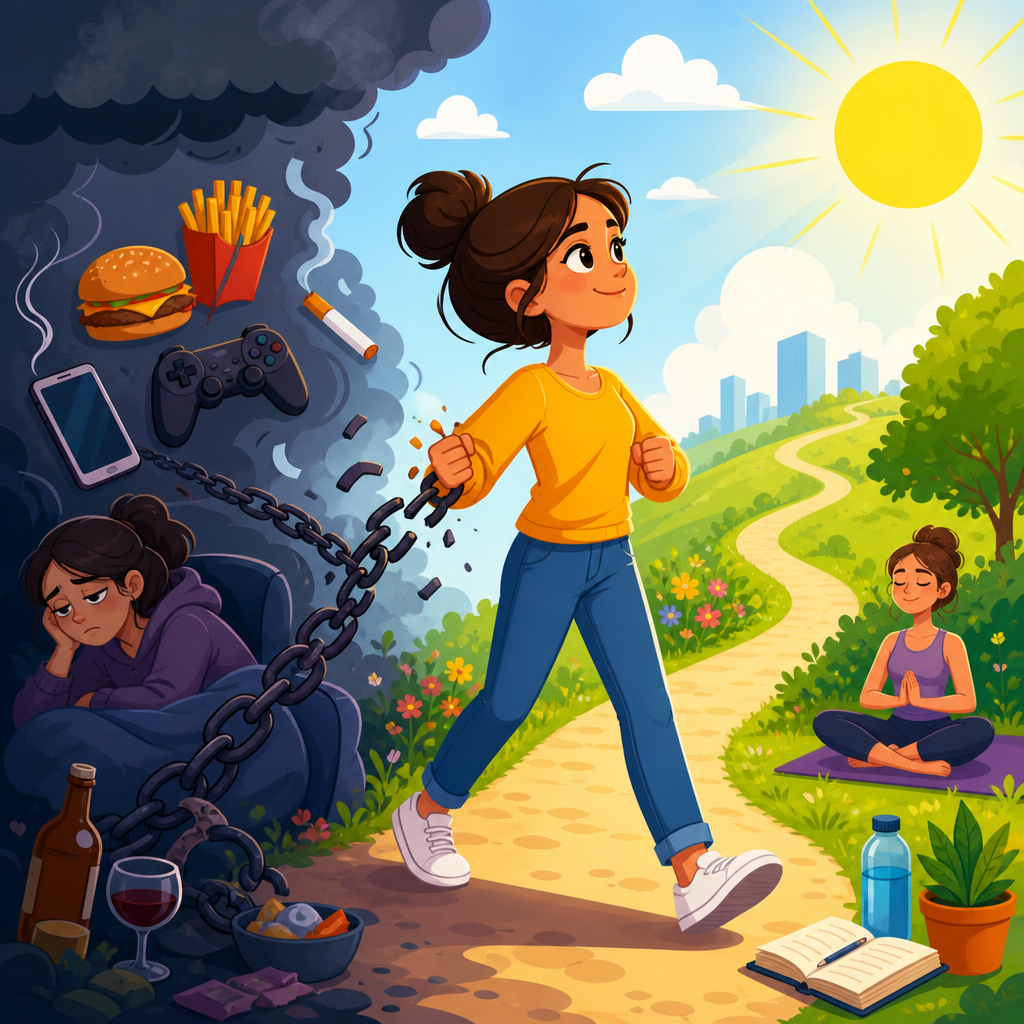
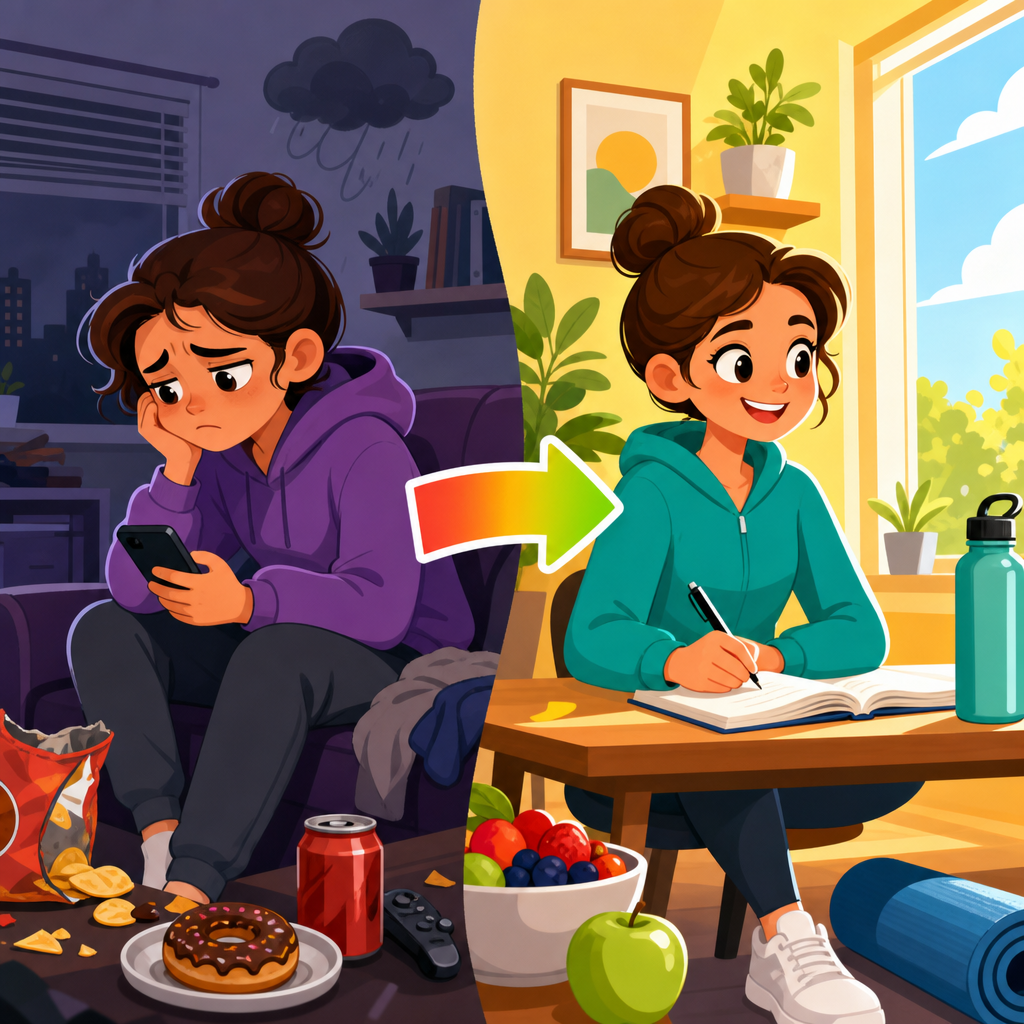
Bad habits work the same way: they do not live only in ideas, goals, or willpower. They live in environments, emotions, routines, and repeated choices until they feel like part of your identity. Understanding the psychology behind bad habits is the fastest way to break them, because habits are not random character flaws. They are learned behavioral loops that once served a purpose, even if they now create stress, wasted time, poor health, or lost momentum.
In practical terms, a bad habit is any repeated behavior that delivers a short-term reward while undermining a longer-term goal. That can mean doomscrolling instead of sleeping, stress eating instead of regulating emotion, overspending for a quick mood lift, or procrastinating to avoid discomfort. In my experience building habit change plans, the people who improve fastest stop asking, “Why am I so undisciplined?” and start asking, “What cue, craving, response, and reward are keeping this behavior alive?” That shift matters because habits are built by reinforcement, not moral weakness.
This hub for breaking bad habits explains what drives unwanted routines, why they become automatic, and how to replace them with behaviors that actually hold under real life pressure. For Dream Chasers trying to rebuild daily structure with a red, white, and blueprint mindset, this topic matters because routines shape health, finances, relationships, and confidence more than occasional big decisions do.
Why Bad Habits Form and Why They Stick
The core psychology is straightforward: a habit forms when the brain links a cue to a behavior that reliably produces a reward. Researchers often describe this as a habit loop. The cue can be external, such as seeing your phone on the nightstand, or internal, such as boredom, anxiety, loneliness, or fatigue. The reward does not need to be large. In fact, many stubborn bad habits survive on tiny but immediate payoffs, like relief, distraction, stimulation, or comfort.
Repetition strengthens this loop through context-dependent learning. The basal ganglia helps automate repeated actions so the brain can conserve effort. That is useful when driving a familiar route, but it also means eating chips while watching television or opening social media every idle moment can become increasingly automatic. Dopamine is involved, but not as a simple pleasure chemical. It is heavily tied to anticipation, motivation, and learning what is worth repeating. If a behavior consistently reduces discomfort or creates novelty, the brain tags it as important.
Bad habits also persist because they solve immediate problems better than many good habits do. Procrastination reduces the discomfort of a difficult task right now. Alcohol may dampen social anxiety for an evening. Late-night scrolling postpones the transition to sleep when someone feels mentally restless. The long-term costs are real, but the short-term benefit arrives first, and human decision-making is biased toward the present. Psychologists call this temporal discounting: immediate outcomes feel more valuable than distant ones.
Identity and environment add another layer. People repeat behaviors that fit the story they tell about themselves, and they drift toward the easiest available option. If your kitchen is stocked for convenience eating, your desk is cluttered, and every app on your phone is designed to capture attention, then bad habits do not require much effort. They are the path of least resistance.
The Most Common Triggers Behind Unwanted Behavior
If you want to fix a bad habit, start by identifying the trigger category. In practice, most bad habits are activated by one or more of five common cues: place, time, emotional state, preceding action, and social context. A person may snack every day at 3:30 p.m., not because of true hunger, but because the time itself predicts a break. Someone else may overspend online after stressful meetings because the emotional state creates a craving for relief and control.
I usually have people track one unwanted habit for seven days using a simple log: what happened right before it, what they felt, what they did, and what reward followed. Patterns emerge quickly. Nail biting often appears during concentration. Phone checking often follows micro-moments of uncertainty. Gossip can be driven by social belonging. Skipping workouts may be less about laziness than about poor transition design between work and evening responsibilities.
Here is a practical way to spot the mechanism behind a bad habit:
| Trigger Type | Example Bad Habit | Likely Reward | Better Replacement |
|---|---|---|---|
| Emotional state | Stress eating after work | Comfort and decompression | Ten-minute walk plus planned protein snack |
| Time of day | Late-night scrolling | Stimulation and avoidance of sleep transition | Phone charging outside bedroom and paperback by bed |
| Place | Mindless snacking on the couch | Entertainment pairing | Pre-portioned snack or herbal tea only |
| Preceding action | Smoking after coffee | Ritual completion | Chewing gum and brief walk after coffee |
| Social context | Weekend overspending with friends | Belonging and excitement | Set spending cap before event |
When people say they sabotage themselves, the real issue is usually unexamined triggers. Once the trigger is visible, change becomes mechanical instead of mysterious.
How to Break a Bad Habit Without Relying on Willpower
Willpower helps at the margins, but it is not a reliable long-term strategy. Stress, poor sleep, decision fatigue, and hunger all reduce self-control. The better approach is to redesign the system around the habit. First, make the bad habit harder. Increase friction. Remove apps from the home screen, keep tempting foods out of immediate reach, unsubscribe from retail alerts, or put your credit card in a different room before bed. Behavior follows convenience more than intention.
Second, keep the cue and replace the routine. This is more effective than trying to erase the craving entirely. If the real need is relief after work, then replacing alcohol with sparkling water and a fifteen-minute decompression ritual can work because it serves the same function. If the need is stimulation, a quick bodyweight circuit may beat another cup of coffee. Replacements must be specific, easy, and available at the moment of temptation.
Third, plan for the moment of failure before it happens. Implementation intentions are powerful because they pre-decide the response: “If I want to scroll in bed, I will put the phone on the dresser and read five pages.” “If I crave junk food at 3 p.m., I will drink water and eat the snack I packed.” This reduces negotiation in the moment.
Fourth, measure behavior, not just outcomes. Someone trying to stop overspending should track unplanned purchases, not merely monthly totals. Someone trying to reduce smoking should record time, trigger, and intensity of craving. Tools like habit trackers, screen-time reports, app blockers such as Freedom, and budgeting apps like YNAB make patterns visible. What gets measured gets interrupted.
What Actually Makes New Habits Replace Old Ones
Breaking bad habits is only half the job. The deeper goal is installing reliable alternatives that feel natural. Successful replacement habits share four traits: they are smaller than people expect, tied to an existing routine, emotionally rewarding, and repeated in a stable context. A two-minute journaling practice after morning coffee has a better chance of sticking than a vague promise to “be more mindful.”
Self-compassion also matters more than most people realize. People who respond to lapses with shame often spiral, because shame increases stress and stress strengthens old coping behaviors. A better script is clinical and direct: what triggered this, what reward was I chasing, and what will I change next time? That approach protects learning. The National Institutes of Health and cognitive behavioral therapy literature consistently support self-monitoring, stimulus control, and cognitive reframing as effective tools for behavior change.
Social support improves outcomes, especially when expectations are clear. Tell a friend exactly what you are changing and what help looks like. Join a walking group. Use public accountability carefully, because vague declarations can feel productive without producing action. Specific accountability works better: “Text me at 9 p.m. if I have not plugged my phone in outside the bedroom.”
For a sub-pillar hub like this, the core takeaway is simple: every bad habit has a structure. Some are rooted in stress, some in environment, some in identity, and many in all three. Fixing them means diagnosing the loop, removing friction from the better behavior, and repeating the replacement until it becomes easier than the old routine. That is the same principle behind strong mornings, consistent exercise, better sleep, cleaner eating, and calmer money habits. If you are building a steadier life, do it one loop at a time. Review your triggers this week, choose one habit to interrupt, and build the next routine on purpose. Until next time, Dream Chasers — keep chasing. 🇺🇸
Frequently Asked Questions
Why are bad habits so hard to break, even when I know they are hurting me?
Bad habits are difficult to break because they are rarely just “bad decisions.” In psychology, habits are learned loops made up of a cue, a behavior, and a reward. Over time, your brain becomes efficient at repeating whatever behavior reduces stress, creates comfort, offers distraction, or delivers a quick sense of relief. That means many unwanted habits are not really about laziness or lack of discipline. They are often your brain’s way of solving a problem quickly, even if the long-term cost is high.
Another reason bad habits feel so powerful is that they become tied to context. A certain room, time of day, emotional state, or social setting can trigger the behavior almost automatically. If you always snack while watching television, scroll your phone when you feel anxious, or procrastinate when a task feels overwhelming, the habit begins to feel built into who you are. In reality, it is built into a repeated pattern. That is good news, because patterns can be changed. The challenge is that awareness alone usually is not enough. You have to interrupt the loop at the level where it actually lives: your environment, your emotional triggers, and your routine responses.
It also helps to understand that the brain tends to value immediate rewards more than distant consequences. A habit that gives quick pleasure or relief will often beat a goal that offers slower rewards like better health, improved focus, or long-term confidence. Breaking the cycle becomes easier when you stop asking, “Why am I like this?” and start asking, “What is this habit doing for me in the moment?” Once you identify the real payoff, you can build a healthier behavior that meets the same need in a better way.
What is the psychological root of most bad habits?
At the psychological level, most bad habits begin as adaptations. They usually form because they work in some way, at least temporarily. A habit may numb discomfort, reduce boredom, avoid failure, create a sense of control, or provide a reliable dose of pleasure. That is why many habits persist even when they create guilt, stress, or damage over time. They are not random flaws. They are repeated solutions to internal or external discomfort.
Emotions play a major role. Many people assume habits are driven only by motivation, but feelings often matter more than logic. Stress, loneliness, frustration, fatigue, and uncertainty can all act as triggers. If a behavior repeatedly helps you escape those feelings, your brain learns to reach for it faster and faster. This is especially true when life feels demanding or unpredictable. In those moments, the mind prefers familiar coping mechanisms over ideal choices.
Identity also matters. The more often you repeat a behavior, the more likely you are to form a story around it, such as “I’m a procrastinator,” “I have no self-control,” or “I’ve always been this way.” Those beliefs can reinforce the habit because they make change feel unnatural or unrealistic. But identity can shift. A more accurate and useful perspective is that you are a person who learned a habit under certain conditions. If it was learned, it can be unlearned, reshaped, or replaced. Understanding this removes shame and creates room for strategy, which is where real progress begins.
How do I actually replace a bad habit instead of just trying to stop it?
The most effective way to change a bad habit is not usually to eliminate it in a vacuum. It is to replace it with a new behavior that fits the same cue and delivers a similar reward. If you only try to suppress a habit, you often leave the underlying need untouched. That creates a gap, and under stress, the old behavior rushes back in. Replacement works because it respects the psychology of habit rather than fighting it blindly.
Start by identifying the loop. What triggers the habit? Is it a certain time, place, emotion, thought, or person? Then ask what reward you are getting. Are you seeking relief, stimulation, comfort, escape, or a feeling of completion? Once you understand the function of the habit, you can choose a substitute behavior that is easier to sustain. For example, if you stress-eat in the afternoon, the real need may be a mental break, not food. A short walk, a change of task, water, protein, or a brief reset routine may work better. If you scroll your phone to avoid difficult work, the issue may be overwhelm, which can be reduced by breaking the task into a tiny first step.
Make the replacement easy and immediate. The brain is more likely to adopt a new response if it is convenient and available at the exact moment the cue appears. This is why environment design matters so much. Put friction in front of the old habit and reduce friction for the new one. Move tempting apps off your home screen, prepare healthier options ahead of time, place reminders where triggers occur, or create a ritual that starts automatically when the cue shows up. Consistency is more important than perfection. Every time you respond differently to the cue, you weaken the old pathway and strengthen the new one.
Does willpower matter, or is environment more important when fixing bad habits?
Willpower matters, but it is often overrated. Environment is usually more powerful because habits are strongly shaped by what is visible, accessible, normal, and easy. If a behavior is constantly cued by your surroundings, you will have to use self-control over and over again, which is exhausting and unreliable. Even highly disciplined people benefit from building environments that make good choices easier and bad choices harder.
This is one of the most important insights in behavior psychology: people do not act based only on intention. They act based on cues, convenience, emotional state, and repetition. If junk food is always within reach, your phone is always buzzing, or your workspace constantly invites distraction, the environment keeps feeding the old loop. Changing the setup around you is not cheating. It is smart behavioral design. It reduces the number of moments where you must rely on sheer mental effort.
That said, willpower still has a role. It helps you initiate change, pause before reacting, and follow through while a new habit is still fragile. But the goal is not to white-knuckle your way forever. The goal is to make the healthier behavior more automatic over time. That happens when you pair intention with structure. Use willpower to redesign your environment, create better defaults, and rehearse new responses. Then let repetition do the rest. Lasting change comes less from constant self-denial and more from building a life where the better choice feels natural.
How long does it take to fix a bad habit, and what should I do if I keep relapsing?
There is no single timeline for changing a bad habit. It depends on how often the behavior occurs, how rewarding it feels, how many triggers surround it, and whether you are replacing it with something realistic. Some changes begin to feel easier within a few weeks, while deeply ingrained habits may take much longer to weaken. The important point is that habit change is not a one-time event. It is a process of repetition, adjustment, and learning.
Relapse does not mean failure. In most cases, it provides useful information. If the habit returns, ask what changed. Were you tired, stressed, lonely, rushed, or in an old environment? Did you remove the bad habit without replacing the reward? Did you expect perfect behavior instead of planning for difficult moments? When you treat setbacks as data, you become more strategic and less self-critical. Shame tends to reinforce bad habits because it creates the exact emotional discomfort that many habits are designed to soothe.
If you keep slipping, make the change smaller and more specific. Focus on one trigger, one time of day, or one substitute routine rather than trying to transform everything at once. Track patterns, not just outcomes. Celebrate interrupted loops, shorter episodes, and faster recovery, because those are real signs of progress. You are teaching your brain a new way to respond, and learning is rarely linear. The people who successfully fix bad habits are not the ones who never struggle. They are the ones who keep refining the system until the old behavior no longer feels like the easiest answer.