There are places in America that don’t just tell history — they make you feel it.
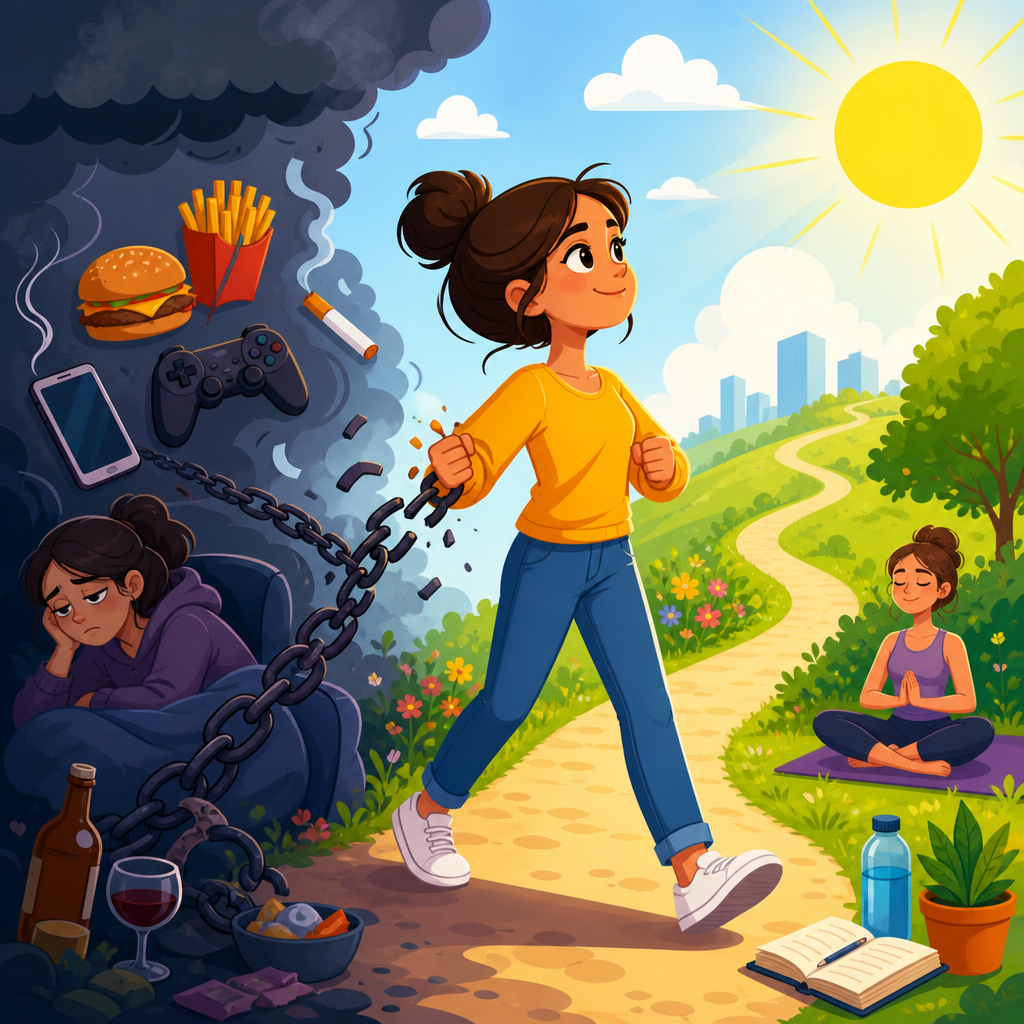
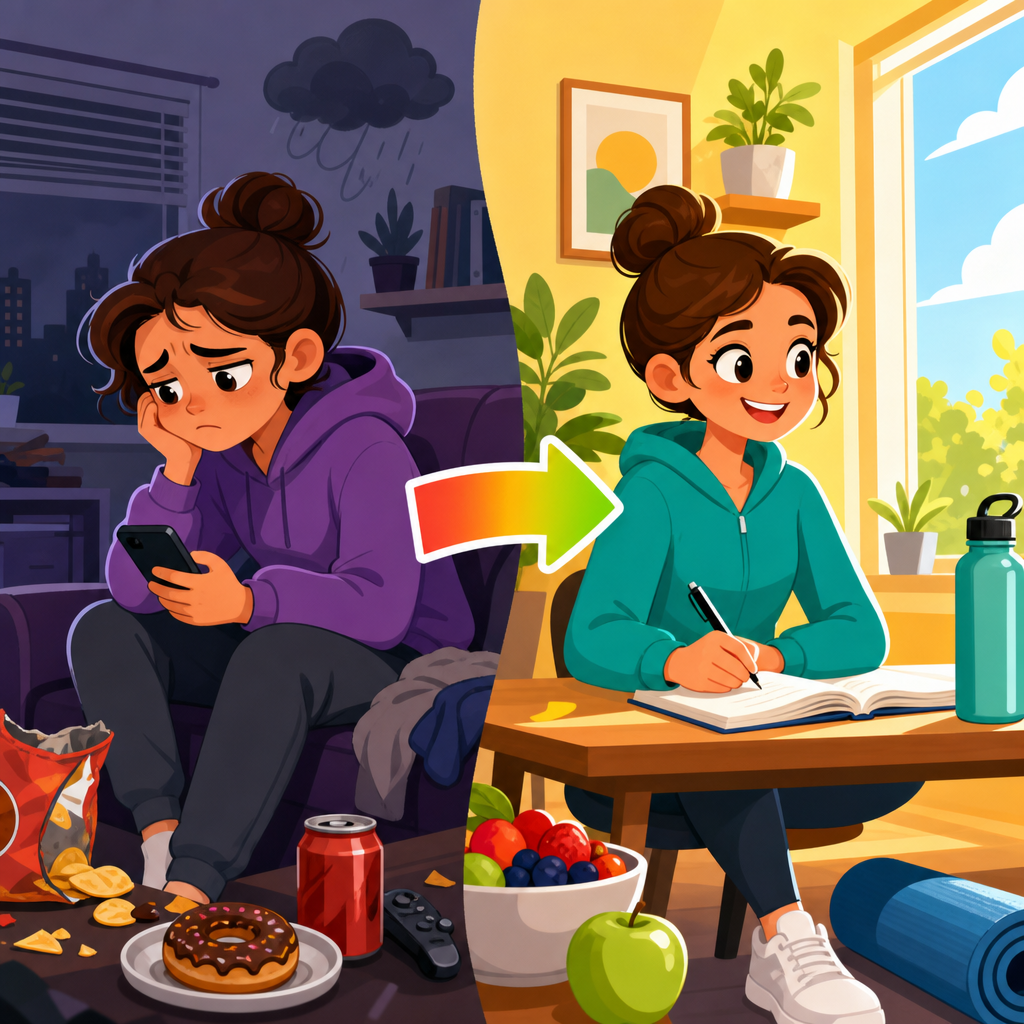
Breaking a bad habit works the same way: change is not abstract when you can trace it, measure it, and feel it in daily life. In the Habits & Routines world, breaking bad habits means interrupting a repeated behavior that delivers a short-term reward but causes long-term costs. That behavior might be doomscrolling before bed, stress eating in the car, smoking during work breaks, overspending online, skipping workouts, or reaching for a drink every night because the routine feels automatic. A habit is a learned loop of cue, craving, response, and reward. A bad habit is simply a loop that keeps paying out immediate relief while quietly draining health, time, money, focus, or relationships.
I have worked with habit change plans long enough to know the biggest mistake people make is trying to defeat behavior with willpower alone. Willpower matters, but it is unreliable when you are tired, rushed, lonely, angry, bored, or celebrating. The more effective approach is a repeatable process: identify the loop, reduce exposure to triggers, replace the routine, make the new behavior easier, and review results often enough to catch backsliding early. That process matters because habits operate below conscious attention. If you do not redesign the environment and the sequence around the behavior, the old pattern usually wins.
This hub article explains the step-by-step process for breaking any bad habit, from minor annoyances to deeply ingrained routines. It also serves as the red, white, and blueprint for related Habits & Routines content, giving Dream Chasers a practical starting point before diving into more specific guides on cravings, accountability, motivation, and relapse prevention. The goal is not perfection. The goal is to make the unwanted behavior harder, less rewarding, less frequent, and eventually unnecessary.
Step 1: Define the habit with precision
You cannot change a habit you describe vaguely. “I need better discipline” is not a habit problem statement. “I order takeout four nights a week after getting home at 7 p.m.” is. The first step is to identify exactly what you do, when you do it, where it happens, who is present, what you feel beforehand, and what reward you get after. Behavioral psychologists call this functional assessment. In plain terms, you are studying what the habit is doing for you.
For example, a person who says they snack too much at night may discover the actual pattern is this: after the kids are asleep, they sit on the couch, feel mentally depleted, and want a reward that requires no effort. The chips are not the core issue. The real drivers are decision fatigue and the need for decompression. Once that is clear, solutions become practical instead of moralistic. Use a notes app, paper journal, or tracking app such as Streaks, Habitify, or Daylio for seven days. Look for repeating cues tied to time, place, emotional state, or preceding action.
Step 2: Identify triggers and weak points in the loop
Most bad habits are attached to predictable cues. Common triggers include stress, boredom, fatigue, alcohol, certain people, specific locations, notifications, and transitions such as getting in the car or finishing dinner. In my experience, transitions are especially powerful because the brain loves routines that bridge one part of the day into the next. If you always smoke after lunch, scroll social media in bed, or buy junk food at a gas station on the drive home, the trigger is not random. It is anchored to a reliable context.
At this stage, ask direct questions. What happens immediately before the habit? What feeling does the habit relieve? What reward does it provide within sixty seconds? This matters because the reward is why the habit survives. Smoking may deliver stimulation and relief. Nail biting may reduce tension. Late-night shopping may create novelty and control. The unwanted behavior is solving a problem, even if poorly. When you know the trigger and the payoff, you know where to intervene.
| Bad Habit | Common Trigger | Immediate Reward | Better Replacement |
|---|---|---|---|
| Doomscrolling at night | Phone within reach after lights out | Stimulation and distraction | Charge phone outside bedroom and read two pages of a book |
| Stress eating | Work pressure at 3 p.m. | Comfort and mental break | Ten-minute walk plus prepped protein snack |
| Smoking on breaks | Leaving building with smoking coworkers | Relief, ritual, social connection | Walk different route and call a friend or chew gum |
| Impulse spending | Retail emails and one-click checkout | Dopamine hit and anticipation | Twenty-four-hour cart delay and unsubscribe from promos |
Step 3: Remove friction from the right behavior and add friction to the wrong one
Environment design is where habit change becomes real. Researchers in behavioral economics and public health repeatedly find that convenience shapes behavior more than intention does. If cookies are visible on the counter, they get eaten. If cigarettes are in the glove box, they get smoked. If your running shoes are by the door and your calendar already contains a workout slot, exercise is more likely to happen. Add friction to the bad habit by increasing time, effort, distance, or visibility. Remove friction from the replacement behavior by making it obvious and easy.
That can mean deleting delivery apps, using website blockers such as Freedom or Cold Turkey, keeping alcohol out of the house, switching to cash envelopes, moving the phone charger to the kitchen, or taking a different commute that bypasses a habitual stop. The Centers for Disease Control and Prevention recommends trigger management as a core tobacco cessation strategy because access and environmental cues directly influence relapse risk. The same principle applies broadly. Small barriers work because habits thrive on autopilot. Even a thirty-second delay can interrupt impulsive action and give the rational brain a chance to re-enter the conversation.
Step 4: Replace the routine instead of trying to erase it
A bad habit leaves a gap when you remove it. If you do not fill that gap, the brain will often reinstall the original routine. Effective replacement behaviors match the old habit’s function as closely as possible. If the old routine provided relief, the new one must calm you. If it provided stimulation, the new one must energize you. If it provided social connection, the replacement cannot be a solitary task and still work consistently.
This is why generic advice often fails. Telling someone to “just stop snacking” ignores what the snack was doing. A better plan might be sparkling water, sliced fruit, and a ten-minute porch break if the need is decompression. For phone overuse, replacement may be a paperback, crossword app with no social feed, or a nightly playlist started from a speaker instead of the phone in hand. For habitual drinking, alternatives can include alcohol-free beer, a walk at the old drinking hour, a support meeting, or texting an accountability partner. Replacement is not weakness. It is how behavior rewiring happens in practice.
Step 5: Start smaller than your pride wants to start
One reason habit change collapses is overcorrection. People attempt a complete identity overhaul on Monday and are exhausted by Thursday. Sustainable change starts with a version small enough to repeat under normal life stress. If you want to stop scrolling in bed, do not begin with a seven-day digital detox if your job depends on your phone. Start with a ten-minute screen cutoff before sleep, then extend it. If you want to stop buying lunch every day, bring food twice a week first. If you are quitting a substance or behavior with significant dependence, use medical or therapeutic support rather than trying to white-knuckle it.
Small starts are not psychological tricks; they are compliance strategies. The brain trusts evidence. Every successful repetition is proof that the new routine is possible. Over time, that proof changes self-concept from “I am trying to quit” to “I am someone who does not do that anymore.” When we map habit plans for The Great American Rewind training season, the people who succeed are rarely the most dramatic. They are the most consistent. They build routines that survive travel days, family obligations, and imperfect moods.
Step 6: Use accountability, tracking, and relapse planning
Tracking works because it converts vague effort into visible data. Mark the days you avoid the behavior, note slips without drama, and track leading indicators such as sleep, stress, and trigger exposure. Apps can help, but a simple wall calendar is often enough. Accountability matters too. Tell one person exactly what you are changing and what support looks like. “Check on me every Friday” is useful. “Hold me accountable” is not specific enough to produce action.
Relapse planning is essential, especially for long-standing habits. Most people slip at some point. The critical difference is whether a lapse becomes a return to the old identity. Create an if-then plan in advance: if I buy junk food, then I portion it and restart at the next meal; if I miss a workout, then I walk for fifteen minutes before dinner; if I smoke one cigarette, then I text my quit partner immediately. This keeps one mistake from becoming a week-long spiral. If the habit involves alcohol, nicotine, gambling, self-harm, or compulsive behaviors causing serious harm, use professional help, evidence-based treatment, or a support group. Independence is admirable. Isolation is not a treatment plan.
Conclusion: Break the loop, build the replacement, repeat
The step-by-step process for breaking any bad habit is straightforward even when the work is not easy: define the behavior precisely, identify its triggers and rewards, redesign your environment, replace the routine, start small, and track progress with accountability built in. This approach works because it respects how habits actually operate. Bad habits are not proof of weak character. They are learned patterns reinforced by context and reward. Change the context, change the reward path, and the pattern weakens.
For Dream Chasers building stronger Habits & Routines, the main benefit is control. You stop negotiating with the same unwanted behavior every day and start creating routines that support your health, attention, finances, and relationships. Review this hub whenever you need the fundamentals, then keep exploring the rest of the breaking bad habits content across USDreams. Pour a cup from Old Glory Coffee Roasters, open your notes, and start with one habit, one trigger, and one replacement today. Until next time, Dream Chasers — keep chasing. 🇺🇸
Frequently Asked Questions
What is the first step in breaking a bad habit?
The first step is identifying the habit with precision instead of describing it in vague terms. Many people say, “I need to stop procrastinating,” or “I need to eat better,” but those statements are too broad to change effectively. A bad habit becomes easier to break when you define exactly what happens, when it happens, where it happens, and what reward you get from it. For example, instead of saying, “I snack too much,” a more useful description is, “Every afternoon at 3:30 p.m., when I feel mentally drained at work, I walk to the vending machine and buy candy because it gives me a quick energy and mood boost.” That level of detail turns the habit from a frustrating mystery into a pattern you can actually work with.
From there, the next move is to track the habit for several days or a full week before trying to eliminate it. Write down the trigger, the behavior, and the immediate payoff each time it happens. This helps you see whether the real driver is stress, boredom, fatigue, social pressure, convenience, or emotional discomfort. Most bad habits are not random; they are learned loops tied to cues and rewards. Once you can trace the loop clearly, you can interrupt it with a strategy that fits real life. In practical terms, the first step is awareness with evidence. You are not just noticing the problem—you are mapping it, measuring it, and preparing to change it in a deliberate way.
Why is it so hard to stop a bad habit even when I know it is hurting me?
Bad habits are difficult to break because they are usually efficient, familiar, and rewarding in the short term. Your brain is constantly looking for ways to save effort and reduce discomfort, so when a behavior reliably produces relief, pleasure, distraction, or stimulation, it gets reinforced. That reinforcement can be strong even when the long-term consequences are clearly negative. Doomscrolling may ruin sleep, but in the moment it provides stimulation and escape. Stress eating may conflict with health goals, but in the moment it offers comfort. Smoking may damage health, but in the moment it can feel like a pause, a ritual, or a way to regulate stress.
Another reason change feels difficult is that most people try to remove the habit without replacing the function it serves. If a habit helps you cope with anxiety, boredom, loneliness, or exhaustion, simply telling yourself to stop creates a gap with nothing to fill it. That is why willpower alone often fails. Willpower is limited, especially when you are tired, rushed, emotional, or under pressure. Real habit change works better when you reduce exposure to triggers, make the unwanted behavior less convenient, and substitute a healthier response that delivers some version of the same reward. In other words, the challenge is not just stopping a behavior—it is redesigning the routine that currently makes that behavior feel useful.
How do I figure out what triggers my bad habit?
The most reliable way to identify triggers is to observe the habit like a pattern, not a personal flaw. For at least several days, keep a simple log each time the habit happens or almost happens. Record the time, location, who you were with, what you were doing right before it started, how you were feeling, and what happened immediately after. Over time, you will begin to notice repeated cues. You may discover that you overspend online late at night when you are tired and alone, or that you skip workouts after stressful meetings because your energy is depleted and your routine gets disrupted. These details matter because habits rarely appear out of nowhere; they tend to follow predictable conditions.
It also helps to sort triggers into categories: emotional triggers, environmental triggers, social triggers, and physical triggers. Emotional triggers include stress, frustration, boredom, sadness, or anxiety. Environmental triggers include places, devices, times of day, and visible cues such as snacks on the counter or phone notifications. Social triggers involve certain people, settings, or group norms. Physical triggers include hunger, fatigue, and restlessness. Once you know which category is driving the habit, your next step becomes much clearer. If the trigger is environmental, you can change your surroundings. If it is emotional, you can prepare a healthier coping response. If it is physical, you can improve sleep, nutrition, or timing. The key is to stop guessing and start gathering patterns you can act on.
Should I quit a bad habit cold turkey or replace it with something else?
In most cases, replacing a bad habit is more effective than trying to erase it without a substitute. Habits are not just behaviors; they are responses to cues that lead to rewards. If you remove the behavior but leave the cue and the need untouched, the urge often comes back strongly. That is why a replacement strategy tends to work better. The replacement does not need to be perfect—it needs to be realistic, available, and connected to the same situation. If you reach for your phone whenever you feel bored, your replacement might be a two-minute walk, a glass of water, or a short list of tasks you can do immediately. If you stress eat during your commute, your replacement might be sugar-free gum, a protein snack packed in advance, or a short decompression ritual before leaving work.
That said, there are situations where stopping immediately is appropriate, especially when a habit is dangerous, medically significant, or escalating quickly. In cases involving substances, compulsive behaviors, or serious health concerns, professional support may be the safest route. For everyday habits, though, the better question is usually not “How do I stop?” but “What will I do instead when the trigger shows up?” A strong replacement plan includes specifics: what the new behavior is, when you will use it, where it will happen, and how easy it is to access. The more friction you add to the old habit and the more convenience you build into the new one, the more likely the replacement will stick.
How long does it take to break a bad habit and make the change stick?
There is no single timeline that applies to everyone, because habit change depends on the type of behavior, how often it occurs, how rewarding it feels, and how consistent your new system is. Some habits start to weaken within days once triggers are removed and routines are changed. Others take weeks or months because they are deeply tied to identity, stress relief, or daily structure. The most important thing to understand is that breaking a bad habit is not a one-time decision; it is a repeated process of interruption, replacement, and reinforcement. Progress usually looks uneven at first. You may do well for several days, slip once, and then feel tempted to assume you failed. In reality, one lapse is not proof that change is impossible. It is feedback about where your plan needs to be stronger.
What makes the change stick is consistency more than intensity. Small actions repeated in the right moments matter more than dramatic promises made once. If you want lasting change, focus on reducing triggers, planning alternatives, tracking wins, and reviewing setbacks without self-criticism. It also helps to define success in stages. At first, success may mean simply noticing the urge before acting on it. Later, it may mean delaying the habit, reducing frequency, or replacing it more often than not. Eventually, the old behavior loses strength because the loop is no longer being reinforced. Lasting change comes from building a system you can live with daily, not from trying to overpower every urge through force alone.