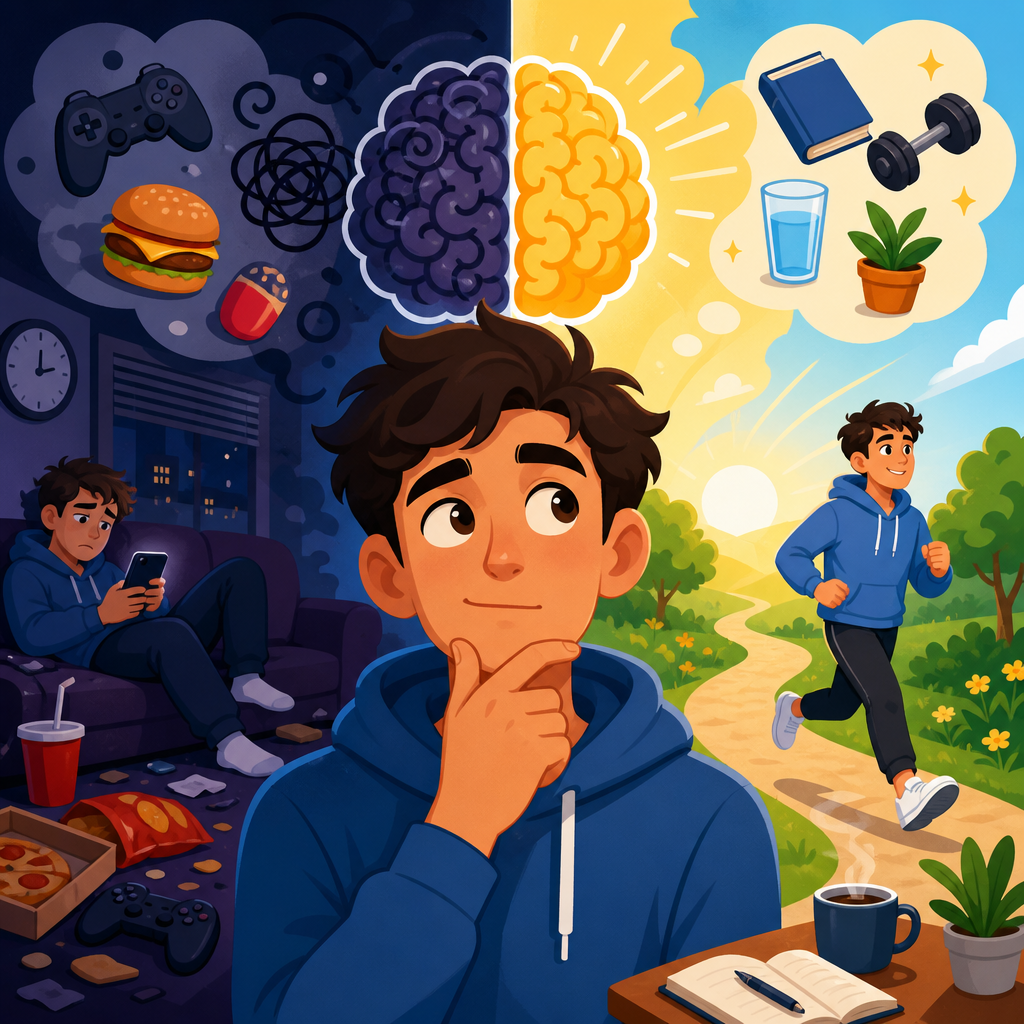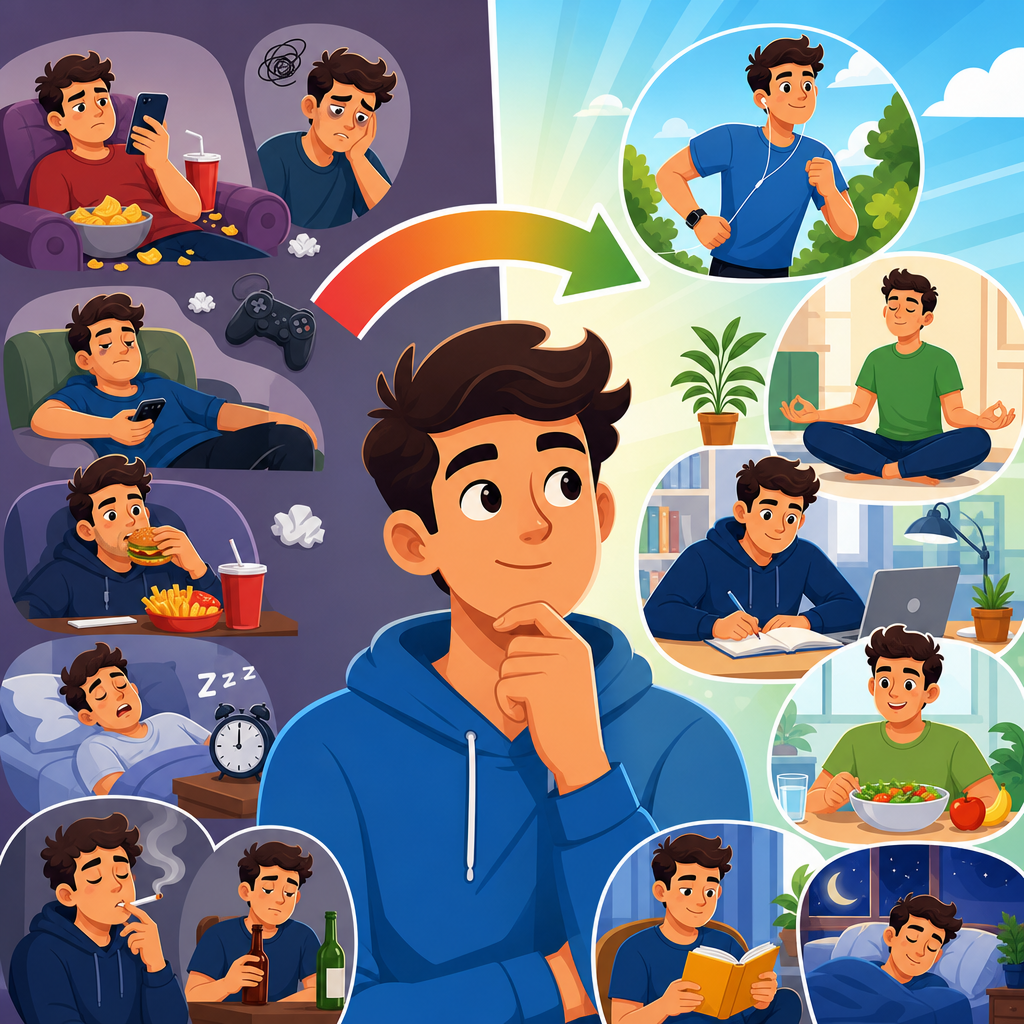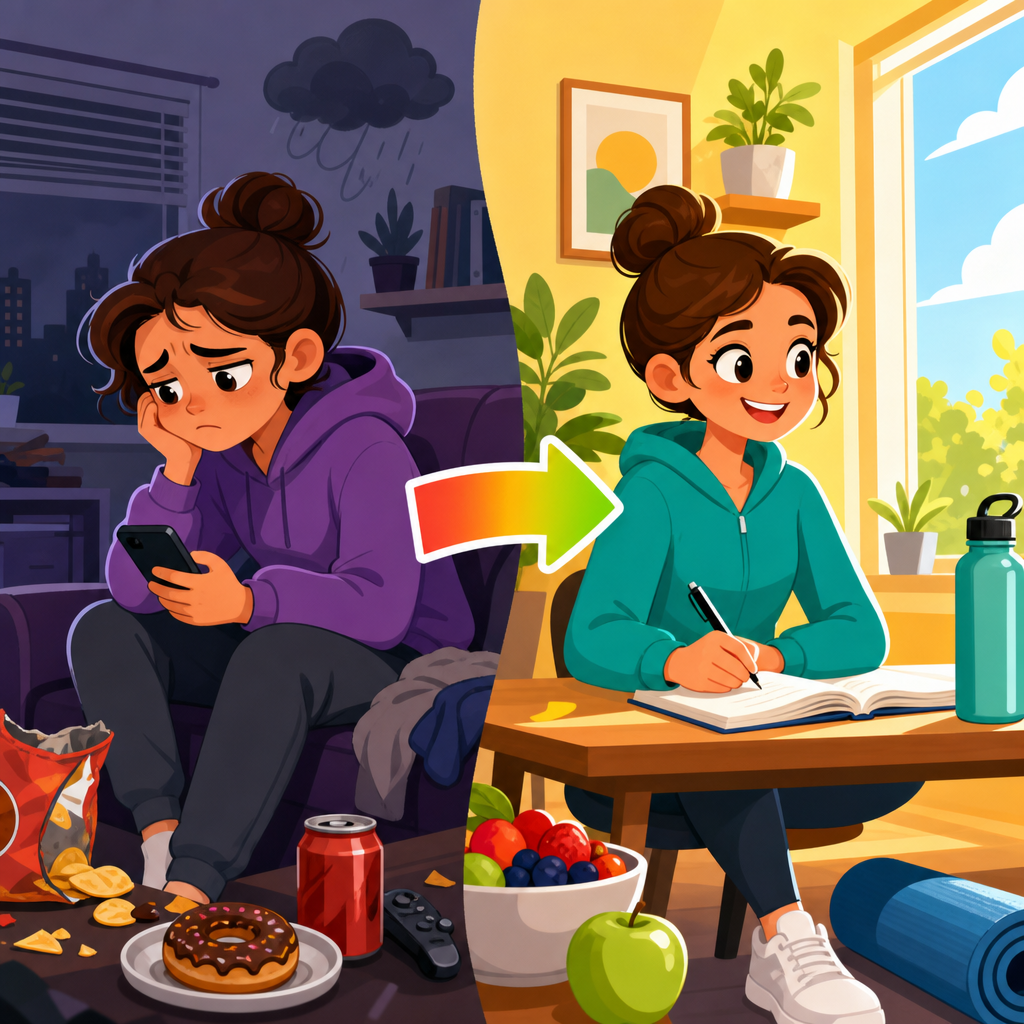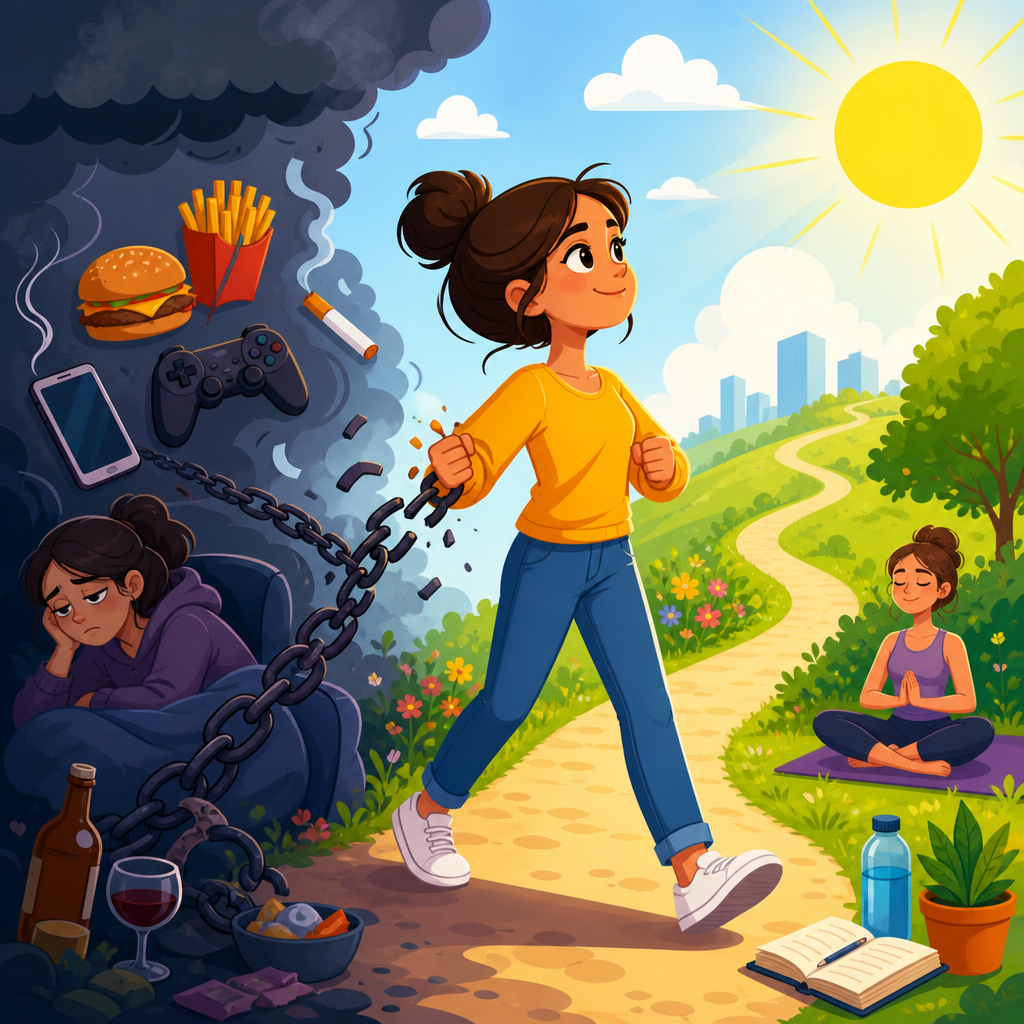
There are places in America that don’t just tell history — they make you feel it. Breaking bad habits may seem less dramatic than standing at Gettysburg or watching sunrise at the Grand Canyon, but the principle is the same: lasting change happens when emotion, environment, and repeated action line up. A bad habit is a behavior that delivers a short-term reward while creating long-term cost. Common examples include doomscrolling, late-night snacking, nail biting, procrastination, overspending, skipping workouts, and reaching for nicotine or alcohol automatically in stressful moments.
When I have worked with people trying to change routines, the biggest mistake is treating habits like a character flaw. They are not. Habits are learned loops built through repetition, cues, cravings, responses, and rewards. The brain automates them to save effort. That is useful when the routine supports your goals, and destructive when it undermines your health, focus, money, or relationships. The good news is that the same mechanism that builds a bad habit can be used to dismantle it and replace it with a better one.
This matters because habits shape outcomes more than intentions do. A single skipped workout changes little, but a pattern of skipping changes your health. One impulse purchase is manageable, but a weekly spending habit derails savings. Researchers studying automaticity, self-regulation, and behavioral design consistently find that behavior is heavily influenced by context, not just willpower. That is why people can feel disciplined in one setting and helpless in another. If you want to break bad habits for good, you need a system, not a motivational speech. Think red, white, and blueprint: build change with intention, structure, and follow-through.
Why bad habits stick in the first place
Bad habits persist because they work, at least briefly. They reduce boredom, numb stress, provide comfort, create stimulation, or offer social belonging. The habit loop begins with a cue: time of day, location, emotional state, another person, or a preceding action. That cue triggers a craving, which leads to a response and then a reward. If the reward is fast and reliable, the brain strengthens the connection. Over time the routine becomes more automatic and harder to interrupt.
Take afternoon procrastination. The cue may be a difficult task. The craving is relief from discomfort. The response is checking messages or opening social media. The reward is immediate escape. Nothing about that loop means you are lazy. It means your brain has learned an efficient route to avoid friction. The same logic applies to snacking when stressed or staying up too late because streaming shows offer easy decompression after a demanding day.
Biology adds another layer. Dopamine is involved in motivation and reinforcement, particularly in anticipating rewards. Sleep loss, chronic stress, alcohol use, and highly stimulating digital environments can all make impulsive behaviors harder to resist. That is why habit change often fails when people try to change everything at once during a chaotic season. Stability helps. Good sleep, regular meals, and lower stress do not eliminate bad habits, but they reduce the pressure that keeps them alive.
The most effective method: replace, reduce, and redesign
The fastest way to break a bad habit is usually not to erase behavior through sheer force. It is to identify the loop and then replace, reduce, and redesign. Replace means giving the cue a different response that can satisfy some of the same need. If you snack from boredom at 3 p.m., a short walk, sparkling water, or a planned protein snack may work better than trying to white-knuckle the craving. If you scroll in bed, charge your phone outside the bedroom and replace it with a paperback or an alarm clock.
Reduce means making the old behavior less convenient and less rewarding. Remove apps from your home screen. Do not keep trigger foods on the counter. Turn off one-click purchasing. Use website blockers such as Freedom or Cold Turkey. Set banking alerts for spending categories. Smokers who delay the first cigarette and increase friction around access often reduce usage before they fully quit. Friction matters because habits feed on convenience.
Redesign means changing the environment so the better choice is easier than the old one. In my experience, this is where real change happens. People say they need more discipline when what they actually need is fewer triggers and clearer defaults.
| Bad Habit | Common Cue | Better Replacement | Environment Change |
|---|---|---|---|
| Doomscrolling | Boredom, stress, bedtime | Read ten pages, stretch, call a friend | Phone outside bedroom, app limits, grayscale screen |
| Impulse spending | Emails, stress, payday | 24-hour waiting rule, wishlist review | Unsubscribe, remove saved cards, budget alerts |
| Late-night snacking | Fatigue, TV time | Herbal tea, preplanned high-protein snack | Kitchen closed routine, trigger foods out of sight |
| Procrastination | Overwhelm, unclear task | Two-minute start, timed work sprint | Single-task desk, blocked sites, visible checklist |
How to identify your triggers with precision
If you do not know what starts the behavior, you will keep fighting in the dark. For one week, track each occurrence of the habit. Write down five details: where you were, what time it was, what you felt, who was with you, and what happened right before. This simple habit audit often exposes patterns quickly. Many people discover they do not overeat all day; they overeat after conflict, after skipping lunch, or while watching television. Others realize they do not procrastinate on everything; they procrastinate on tasks that feel ambiguous or high stakes.
Use clear language. “I have no self-control” is not useful data. “I order takeout when I get home after 7:30 p.m. and have no meal plan” is useful data. Specific observations create practical solutions. If the trigger is fatigue, fix sleep and simplify dinner. If the trigger is loneliness, create social contact before the vulnerable time. If the trigger is anxiety before focused work, break the task into a five-minute starting action.
This page is a hub because different habits require different tools. A social media habit may need device boundaries. Emotional eating may require meal timing, stress management, and support from a dietitian or therapist. Nail biting can respond to awareness training, bitter polish, and a competing response like squeezing a small object. The core principle stays the same: diagnose the loop before prescribing the fix.
How to make good change stick long term
Long-term success comes from consistency, measurement, and identity. Start smaller than you think necessary. A two-minute walk after dinner can break the cue for dessert grazing. Writing one sentence can break a procrastination spiral. The point is not intensity; it is repetition under the same conditions until the new response becomes familiar. Research on implementation intentions shows that “If X happens, I will do Y” plans increase follow-through because they remove negotiation in the moment.
Measurement also matters. Track streaks carefully, but do not worship them. A missed day is a data point, not a collapse. Ask what happened, adjust the system, and continue. People who recover quickly from lapses usually do better than people who chase perfection. The all-or-nothing mindset is one of the strongest fuels for bad habits because one slip becomes an excuse for a full relapse.
Identity gives change staying power. Instead of saying, “I am trying not to smoke,” say, “I am becoming someone who protects my lungs.” Instead of “I should stop wasting time,” say, “I am a person who starts before I feel ready.” That may sound simple, but it changes decision-making. You begin to act in alignment with the person you intend to be. Dream Chasers understand this instinctively on the road: you do not reach the monument by admiring the map. You follow the route.
Support helps too. Accountability from a friend, coach, therapist, support group, or app can reduce blind spots and increase persistence. For substance use, compulsive gambling, eating disorders, and behaviors tied to trauma or depression, professional care is often essential. Cognitive behavioral therapy, motivational interviewing, nicotine replacement therapy, and medication-assisted treatment are evidence-based options. Asking for help is not weakness. It is strategy.
Practical next steps for every common bad habit
If you want a simple starting framework, do this today. Name the habit. Identify the cue. Choose one replacement. Add one point of friction to the old behavior. Track the result for seven days. That sequence works for most habit change efforts because it turns a vague goal into an observable experiment. It also creates useful internal links between problems and solutions across your wider routines, from sleep to money to screen time.
For families, make the change visible. Put fruit at eye level. Create a device basket by the door. Schedule walks after dinner. For work habits, reduce open tabs, define the first task before ending the day, and use focused blocks of twenty-five to fifty minutes. For road warriors and routine lovers alike, consistency beats intensity. Pack your day with intention the way USDreams plans a journey: not randomly, but with red, white, and blueprint precision. Even partners like Old Glory Coffee Roasters or MapMaker Pro GPS fit the larger lesson here: the best tools support a route, but they do not replace the decision to travel.
Breaking bad habits for good is not about becoming perfect. It is about understanding why the behavior exists, removing what reinforces it, and building a replacement you can actually live with. The key takeaways are straightforward: bad habits are learned loops, triggers matter more than guilt, environment beats willpower, and small repeated changes outperform dramatic resets. Whether you are trying to stop doomscrolling, overspending, procrastinating, or stress eating, the same system applies: identify the cue, redesign the context, replace the response, and keep going after setbacks.
Use this hub as your starting point, then go deeper into the specific habit you want to change first. Pick one pattern, not five. Run the seven-day experiment. Write down what works. If the habit is severe or tied to substance use or mental health, bring in professional support early. Real change is possible, and it often begins with one honest observation made at the right time. Until next time, Dream Chasers — keep chasing. 🇺🇸
Frequently Asked Questions
Why is it so hard to break a bad habit, even when I know it is hurting me?
Bad habits are difficult to break because they are not just random behaviors; they are learned loops wired into your brain through repetition. Most bad habits follow a simple pattern: a cue triggers a behavior, and that behavior delivers some kind of reward. The reward may be comfort, distraction, relief, pleasure, or even just familiarity. That is why habits such as doomscrolling, late-night snacking, nail biting, procrastination, or overspending can feel so automatic. Your brain is not necessarily choosing what is best for you long term; it is choosing what seems to solve a need right now.
Another reason bad habits stick is that they often reduce stress in the moment, even if they create bigger problems later. For example, procrastination can temporarily relieve the discomfort of starting a difficult task. Late-night snacking can feel soothing after a long day. Scrolling on your phone can distract you from boredom, anxiety, or loneliness. In each case, the short-term reward trains your brain to repeat the behavior the next time the same feeling shows up.
Environment also plays a major role. If your phone is always within reach, junk food is visible in the kitchen, or online shopping apps are saved with one-click payment, you are constantly surrounded by cues that make bad habits easier to repeat. That is why willpower alone usually fails. Lasting change happens when you understand the emotional trigger, reduce the environmental cue, and practice a healthier replacement often enough that it starts to feel natural.
What is the most effective way to break a bad habit for good?
The most effective approach is not to simply stop the behavior, but to replace the full habit loop. That means identifying the trigger, understanding the reward, and choosing a better response. If you only focus on “not doing it,” you leave a gap. Your brain still wants relief, stimulation, comfort, or reward, so the old pattern tends to come back. Real progress usually happens when you make the bad habit harder and the better habit easier.
Start by getting specific. Instead of saying, “I need to stop procrastinating,” define when, where, and why it happens. Does it happen when a task feels overwhelming? When you are tired? When your phone is nearby? Once you know the cue, you can change the setup. Break the task into a five-minute starting point, move distractions out of reach, and decide in advance what action you will take when the urge appears. The same method works for many habits. If you snack late at night, build a new evening routine. If you overspend, remove saved payment methods and set a 24-hour waiting rule before purchases.
Consistency matters more than intensity. You do not need a dramatic reset; you need repeated wins. Small changes done daily retrain behavior more effectively than big plans that collapse after a few days. Make the replacement behavior realistic, easy to begin, and linked to the same trigger that used to start the bad habit. Over time, the new response becomes more automatic, and the old one loses strength.
How long does it take to break a bad habit?
There is no single timeline that applies to everyone. The idea that habits change in a fixed number of days is oversimplified. How long it takes depends on how often the habit happens, how rewarding it feels, how long you have been doing it, what triggers it, and whether you replace it with something better. A habit that happens multiple times a day, such as checking your phone every few minutes, may take longer to change than a habit that only appears in one specific situation.
In practical terms, most people should expect habit change to be gradual rather than immediate. Early on, the goal is awareness. Then comes interruption, where you begin catching the urge before the behavior happens. After that comes repetition of the new response, even if it still feels awkward. Eventually, the new behavior requires less effort. This process can take weeks or months, and that is normal. Lasting change is usually built through repetition, not sudden transformation.
It also helps to measure progress the right way. Instead of asking, “Have I completely eliminated this habit?” ask, “Is it happening less often, with less intensity, and am I recovering faster when I slip?” Those are meaningful signs of real change. A setback does not erase progress. If anything, it gives you more information about what your triggers are and what support your new habit still needs.
What should I do when I slip back into an old habit?
The most important thing is not to treat a slip as proof that you failed. Habit change is rarely linear. One bad evening, one impulsive purchase, or one procrastination spiral does not undo all your progress. What matters is your response. People often turn a single lapse into a full relapse by thinking, “I already messed up, so it does not matter anymore.” That all-or-nothing mindset is more damaging than the slip itself.
Instead, pause and review what happened with honesty and curiosity. What triggered the behavior? Were you stressed, tired, bored, lonely, rushed, or surrounded by temptation? Did you skip the routine that usually keeps you grounded? Did you expect too much from willpower in a difficult moment? This kind of reflection helps you strengthen your plan rather than repeat the same mistake. Every setback contains useful data if you are willing to look at it clearly.
Then restart quickly. Do not wait for Monday, next month, or some perfect reset. Return to the smallest version of the better behavior as soon as possible. If you have been doomscrolling, put the phone in another room for 30 minutes and go for a short walk. If you have been procrastinating, work for five minutes. If you overspent, review the purchase and reestablish your spending boundaries. Fast recovery builds resilience. The people who break bad habits for good are usually not the ones who never slip; they are the ones who learn how to recover without giving up.
Can changing my environment really help me stop bad habits?
Yes, and in many cases it helps more than motivation alone. Environment is one of the strongest drivers of behavior because habits are often triggered by what you see, where you are, and what is easy to access. If a habit has become automatic, your surroundings may be nudging you into it before you have time to make a conscious choice. That is why changing your environment is not a shortcut; it is a smart strategy.
Think about how this works in everyday life. If your phone is next to your bed, you are more likely to scroll late at night and first thing in the morning. If unhealthy snacks are visible on the counter, you are more likely to eat them. If shopping emails and app notifications appear all day, overspending becomes easier. If your workspace is cluttered and full of distractions, procrastination has more openings. By contrast, when you remove cues, add friction to the bad habit, and make the better option more convenient, you reduce the number of decisions you have to fight through.
Effective environmental changes can be simple: keep your phone out of the bedroom, uninstall the most tempting apps, block distracting websites during work hours, prepare healthier snacks in advance, use automatic savings transfers, or create a dedicated workspace that signals focus. These changes work because they align your surroundings with the person you are trying to become. When emotion, environment, and repeated action support the same goal, breaking a bad habit becomes far more realistic and sustainable.