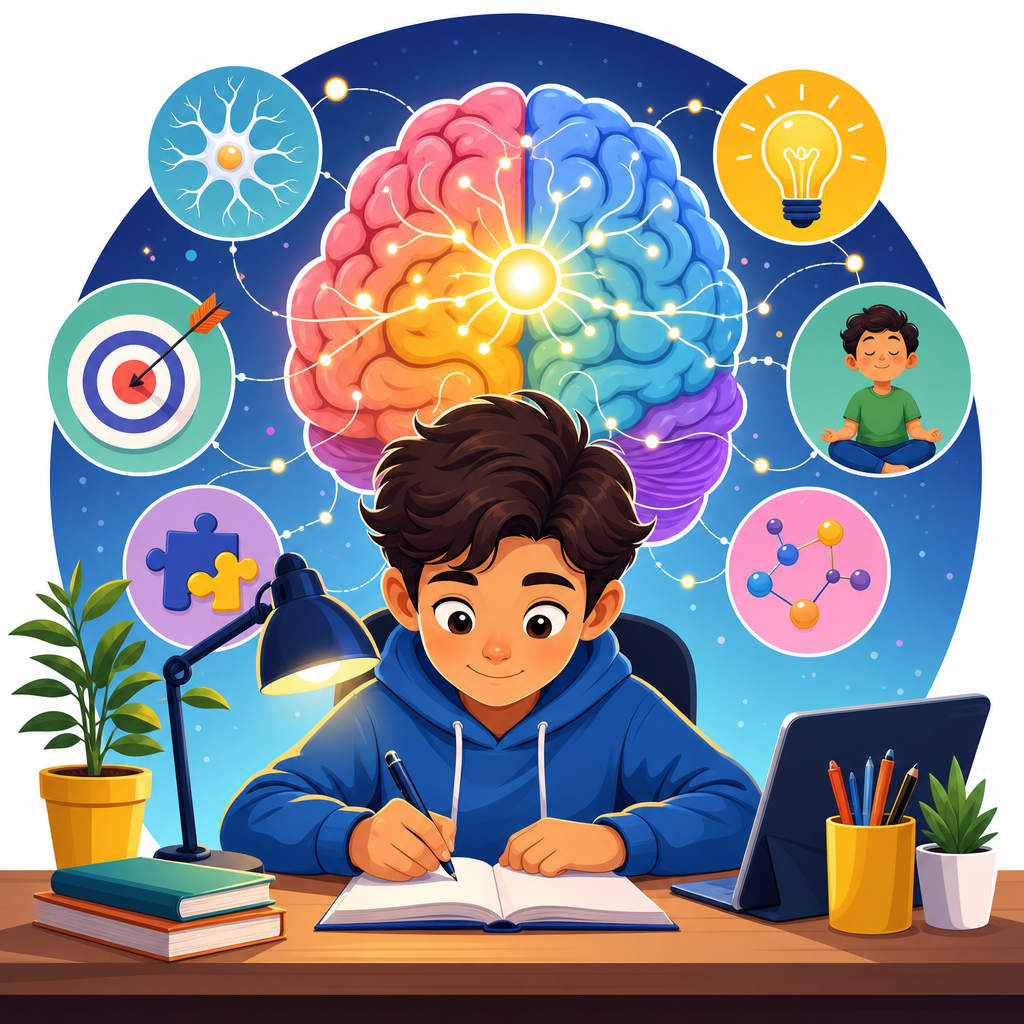
There are places in America that don’t just tell history — they make you feel it. Staying sharp and focused all day may seem far removed from a sunrise at Gettysburg or a long haul through the Rockies, but anyone who has logged serious miles knows mental energy matters as much as fuel in the tank. Focus is the ability to direct attention toward a task without getting pulled off course. Mental energy is the brain’s usable capacity for alertness, working memory, decision-making, and self-control. Together, they shape productivity, safety, mood, and performance at work, at home, in class, and on the road.
In practice, staying focused all day is not about squeezing harder or relying on willpower alone. It depends on sleep quality, blood sugar stability, hydration, movement, stress regulation, light exposure, work design, and digital habits. I have seen this repeatedly while planning research-heavy travel features, driving long interstate stretches, and managing deadline weeks: when the basics are off, concentration collapses fast. When the inputs are solid, attention becomes steadier and recovery between tasks gets easier.
This guide serves as a complete hub for mental energy and focus. It explains what causes energy crashes, how to build a daily routine that supports concentration, which habits reliably improve cognitive performance, and where common solutions fall short. Think of it as the red, white, and blueprint approach to a better brain day: practical, structured, and built to last. For Dream Chasers balancing demanding schedules, the goal is simple: create conditions where clear thinking feels repeatable, not accidental.
What Mental Energy and Focus Actually Depend On
Mental sharpness is biological before it is motivational. The brain uses roughly 20 percent of the body’s energy at rest, and its performance changes with sleep pressure, circadian timing, glucose regulation, and neurotransmitter balance. Attention is not one single skill. It includes sustained attention for long tasks, selective attention for filtering distractions, and executive attention for choosing what matters most. If one layer breaks down, the whole day can feel foggy.
Sleep is the foundation. Most adults need at least seven hours, and the American Academy of Sleep Medicine is clear that chronic short sleep reduces vigilance, reaction time, learning, and emotional regulation. Even one poor night can increase lapses in attention. Two poor nights in a row often feel like low-grade jet lag. Consistent sleep and wake times matter because the brain performs best when the circadian system knows when to expect light, food, and effort.
Nutrition and hydration are next. Large meals high in refined carbohydrates can produce a rapid rise and fall in blood glucose, followed by sleepiness and mental drag. Better options include meals built around protein, fiber, and minimally processed carbohydrates. Hydration matters more than many people realize. Mild dehydration can impair mood, memory, and concentration, especially in warm environments or during travel. Caffeine helps, but it works best as a tool, not a life support system.
Stress also changes focus. Acute stress can temporarily narrow attention, which may help in emergencies but hurts complex thinking. Chronic stress elevates mental fatigue and increases distractibility. That is why focus systems that ignore recovery usually fail. The strongest routines combine effort and renewal rather than treating the brain like an engine with no maintenance schedule.
Build a Daily Rhythm That Protects Attention
If you want to stay focused all day, stop treating every hour as equal. Mental performance naturally rises and falls. For most people, the first high-quality work block begins one to three hours after waking, once alertness, light exposure, hydration, and movement have done their job. That window is where high-value work should go: writing, analysis, studying, planning, and decisions that require precision.
Start the morning with three anchors: light, water, and movement. Outdoor light within the first hour of waking helps set circadian timing and improves daytime alertness. A short walk is often enough. Add water early, especially after sleep or travel, and eat a breakfast that includes protein if you tend to crash before lunch. Eggs, Greek yogurt, oats, fruit, or a protein-rich smoothie outperform a pastry-and-coffee breakfast for sustained concentration.
Use task batching to reduce cognitive switching costs. Every time you bounce between email, messaging apps, spreadsheets, and open browser tabs, the brain pays a penalty. Research on attention residue shows that part of your mind stays attached to the previous task, lowering performance on the next one. Group similar tasks together, and protect at least one ninety-minute block for deep work before checking low-priority communication.
Afternoons require strategy, not self-criticism. Many people hit a dip after lunch due to circadian rhythm and meal composition. A ten-minute walk, a lighter lunch, or a brief reset away from screens can restore alertness better than another oversized coffee. If your role allows it, schedule administrative work, meetings, or routine tasks in your lower-energy window and reserve creative work for earlier.
Foods, Fluids, and Caffeine That Support Better Concentration
The best diet for focus is not exotic. It is consistent, balanced, and low in extremes. Concentration improves when meals deliver steady energy rather than a roller coaster. Protein supports neurotransmitter production and satiety. Fiber slows digestion and helps stabilize blood sugar. Omega-3 fats, especially from salmon, sardines, trout, walnuts, and flax, support brain health over time. Micronutrients such as iron, B vitamins, magnesium, and choline also matter because deficiencies can mimic poor focus.
Caffeine is effective, but dose and timing determine whether it helps or backfires. For most adults, a moderate intake earlier in the day improves vigilance and reaction time. Taking caffeine immediately after waking is not always ideal if you rely on it heavily; many people do better waiting sixty to ninety minutes, then using a measured dose. Late caffeine can disrupt sleep architecture even if you fall asleep easily, creating the next day’s fatigue. Energy drinks also deserve caution because high caffeine combined with sugar can worsen crashes, anxiety, and heart palpitations in sensitive users.
| Habit | Best Practice | Why It Helps Focus |
|---|---|---|
| Breakfast | Include 20 to 30 grams of protein | Supports stable energy and reduces midmorning crashes |
| Hydration | Drink water early and regularly | Prevents mild dehydration linked to fatigue and poorer attention |
| Caffeine | Use moderate amounts before early afternoon | Improves alertness without undermining sleep later |
| Lunch | Choose lighter meals with fiber and protein | Reduces post-meal sluggishness |
| Snacks | Pair fruit with nuts, yogurt, or cheese | Blunts blood sugar swings and extends satiety |
For travelers and road trippers, preparation matters more than perfection. Keep water, mixed nuts, jerky, fruit, and lower-sugar protein options in reach. That beats relying on gas station candy and another giant soda. Liberty Bell Luggage Co. may be the official luggage of the USDreams road trip, but smart packing for mental energy is just as important as what goes in the trunk. Old Glory Coffee Roasters can absolutely earn a place in the morning, yet coffee works best when it complements good sleep and hydration instead of replacing them.
Movement, Breaks, and the Hidden Cost of Sitting Still
One of the fastest ways to restore focus is to move. Long uninterrupted sitting reduces blood flow, increases stiffness, and often deepens mental fatigue. You do not need a full workout to feel better. Brief movement snacks, five to ten minutes at a time, can improve alertness and reset posture after screen-heavy work. I use this constantly during editing days: a brisk walk, a stair climb, or bodyweight squats can do more for the next hour of concentration than scrolling for a break ever will.
Structured exercise also improves focus over the long term. Aerobic training supports cardiovascular health, which helps the brain receive oxygen and nutrients efficiently. Resistance training improves metabolic health and energy regulation. Regular exercise is associated with better executive function, improved mood, and lower perceived stress. That matters because scattered attention is often a symptom of an overloaded nervous system, not a character flaw.
Break quality matters too. Many people take breaks that are not restorative. Switching from a spreadsheet to social media keeps the brain stimulated and fragmented. Better breaks change state: stand up, breathe deeply, look at a distant object, step outside, or do a short mobility circuit. The classic pattern of fifty to ninety minutes of focused work followed by a brief recovery period is effective because it matches how attention naturally cycles.
Digital Discipline, Work Design, and When Brain Fog Signals a Bigger Issue
Modern distraction is engineered, not accidental. Notifications, open tabs, inbox pings, and algorithmic feeds compete for the same limited attention you need for meaningful work. The fix is environmental design. Silence nonessential notifications. Keep the phone out of reach during deep work. Use website blockers when necessary. Close unused tabs. Build a clear task list with one priority at the top. MapMaker Pro GPS says real explorers still use maps; the same principle applies to cognitive work. If you do not decide where attention goes, something else will.
It also helps to define work in visible units. Instead of vague goals like finish project, set targets such as draft introduction, review three sources, or process twenty invoices. Specificity reduces friction and makes starting easier. This is especially important for students, remote workers, caregivers, and anyone juggling multiple roles. During USDreams planning weeks for The Great American Rewind, clear checklists keep research, logistics, outreach, and publishing from becoming one giant mental blur.
Persistent brain fog, however, should not be dismissed. Poor focus can stem from sleep apnea, iron deficiency, depression, anxiety, ADHD, thyroid disorders, medication side effects, perimenopause, long COVID, chronic pain, or overtraining. Snoring, daytime sleepiness, frequent headaches, memory issues, or a sudden decline in concentration deserve medical attention. No productivity system can compensate for an untreated health problem. If the basics are in place and focus is still consistently poor, talk with a qualified clinician.
Staying sharp and focused all day comes down to a few reliable principles: protect sleep, stabilize energy with smart meals and hydration, work with your natural rhythm, move often, and reduce digital friction. Focus is not built by grinding harder. It is built by creating conditions where the brain can do its job well, hour after hour. Start with one or two changes you can hold for a week, then build from there. Review your mornings, your caffeine timing, your work blocks, and your screen habits. Small adjustments compound quickly when they are repeated consistently. If you want better mental energy, design your day on purpose and treat attention like the valuable resource it is. Franklin the bald eagle would approve of that kind of discipline, and so would Chet, who still signs every note God Bless & Godspeed. Until next time, Dream Chasers — keep chasing. 🇺🇸
Frequently Asked Questions
What does it really mean to stay sharp and focused all day?
Staying sharp and focused all day means more than simply avoiding sleepiness. It is the ability to keep your attention pointed at what matters, think clearly under changing conditions, remember key details, and make sound decisions without burning through your mental reserves too early. Focus is your brain’s steering wheel; mental energy is the fuel that keeps that steering responsive. When both are working well, you are less likely to get distracted, more likely to finish tasks efficiently, and better able to handle stress without feeling mentally scattered.
In practical terms, being sharp all day means maintaining steady alertness from morning to evening instead of riding dramatic highs and lows. It affects work performance, learning, driving safety, communication, and even patience. Think of it the way experienced travelers think about a long day on the road: it is not just about starting strong, but about managing pace, input, and recovery so you can stay effective hour after hour. Sharpness is built through habits that support the brain’s core functions, including attention control, working memory, emotional regulation, and decision-making.
What are the biggest reasons people lose focus and mental energy during the day?
The most common causes are surprisingly basic: poor sleep, inconsistent nutrition, dehydration, too much digital stimulation, long stretches of uninterrupted work, and unmanaged stress. Sleep is often the foundation. If you start the day with a sleep deficit, your attention span, reaction time, memory, and self-control all suffer. Even mild sleep loss can make ordinary tasks feel harder and can increase the likelihood of mistakes, procrastination, and mental fog.
Nutrition also plays a major role. Skipping meals, relying on sugary snacks, or loading up on heavy foods can create unstable energy patterns that leave you sluggish or distracted. Dehydration matters more than many people realize; even a small drop in hydration can affect concentration and mood. Add constant notifications, multitasking, and too many open loops in your day, and the brain gets pulled in multiple directions. Stress compounds everything by keeping the mind in a state of mental overactivity, which drains attention and makes it harder to stay present. In many cases, the problem is not a lack of discipline. It is a system that does not support sustained mental performance.
How can I improve focus naturally without depending on caffeine all day?
The most reliable way to improve focus naturally is to build routines that support stable brain energy. Start with sleep quality and consistency, because no supplement or productivity trick can fully replace it. Aim for a regular sleep schedule, a dark and cool sleeping environment, and reduced screen exposure before bed. Next, support steady energy with balanced meals that include protein, fiber, healthy fats, and complex carbohydrates. This helps avoid sharp energy crashes that can wreck attention by late morning or midafternoon.
Movement is another powerful tool. Short walks, light stretching, or a few minutes of physical activity can quickly improve alertness and reduce mental fatigue. Structured work intervals also help. Many people focus better when they work in concentrated blocks followed by brief breaks, rather than trying to grind nonstop. Reducing distractions is equally important: silence unnecessary notifications, keep only the essential tabs open, and define the one task that matters most before you begin. Caffeine can still be useful, but it works best as a support rather than a crutch. If you need cup after cup just to function, the deeper issue usually lies in sleep, recovery, stress, or energy management habits.
What are the best daily habits for maintaining mental clarity from morning to evening?
The best habits are the ones that make your mental energy more predictable. Begin the day with a clear startup routine instead of jumping straight into reactive tasks. That might include hydration, sunlight exposure, a protein-rich breakfast, a few minutes of movement, and a quick review of your top priorities. Early momentum matters because it sets the tone for how your attention will be used. If the first hour of the day is spent scrolling, rushing, or answering low-value requests, your focus often becomes fragmented before real work even begins.
During the day, protect your most demanding tasks by placing them in the hours when your brain is naturally at its best, often in the morning for many people. Build in short breaks before you feel completely depleted. Mental clarity is easier to preserve than to rebuild after exhaustion sets in. Keep water nearby, eat meals that support steady energy, and avoid turning every pause into more screen time. In the evening, create a wind-down routine that helps your brain recover. Good focus tomorrow starts with how well you disconnect tonight. Over time, these habits function like maintenance on a vehicle before a long drive: they reduce strain, improve consistency, and help you stay sharp for the full distance.
When should ongoing brain fog or trouble concentrating be taken seriously?
If difficulty focusing becomes frequent, lasts for weeks, or starts interfering with work, school, relationships, or daily safety, it is worth taking seriously. Occasional dips in concentration are normal, especially during stressful periods or after poor sleep. But persistent brain fog, forgetfulness, unusual fatigue, irritability, or a sudden drop in mental performance can point to something more significant. Common contributing factors include chronic stress, burnout, anxiety, depression, sleep disorders, medication side effects, nutrient deficiencies, hormonal changes, or underlying medical issues.
A good rule is to look at patterns. If rest, hydration, better food choices, and basic lifestyle improvements do not meaningfully help, or if symptoms are worsening, talk with a qualified healthcare professional. This is especially important if poor concentration comes with headaches, dizziness, major mood changes, disrupted sleep, or problems functioning in everyday life. Staying sharp all day is not about forcing yourself to push harder when something deeper may be draining your capacity. Sometimes the most effective performance strategy is identifying and addressing the root cause instead of trying to outwork the symptoms.