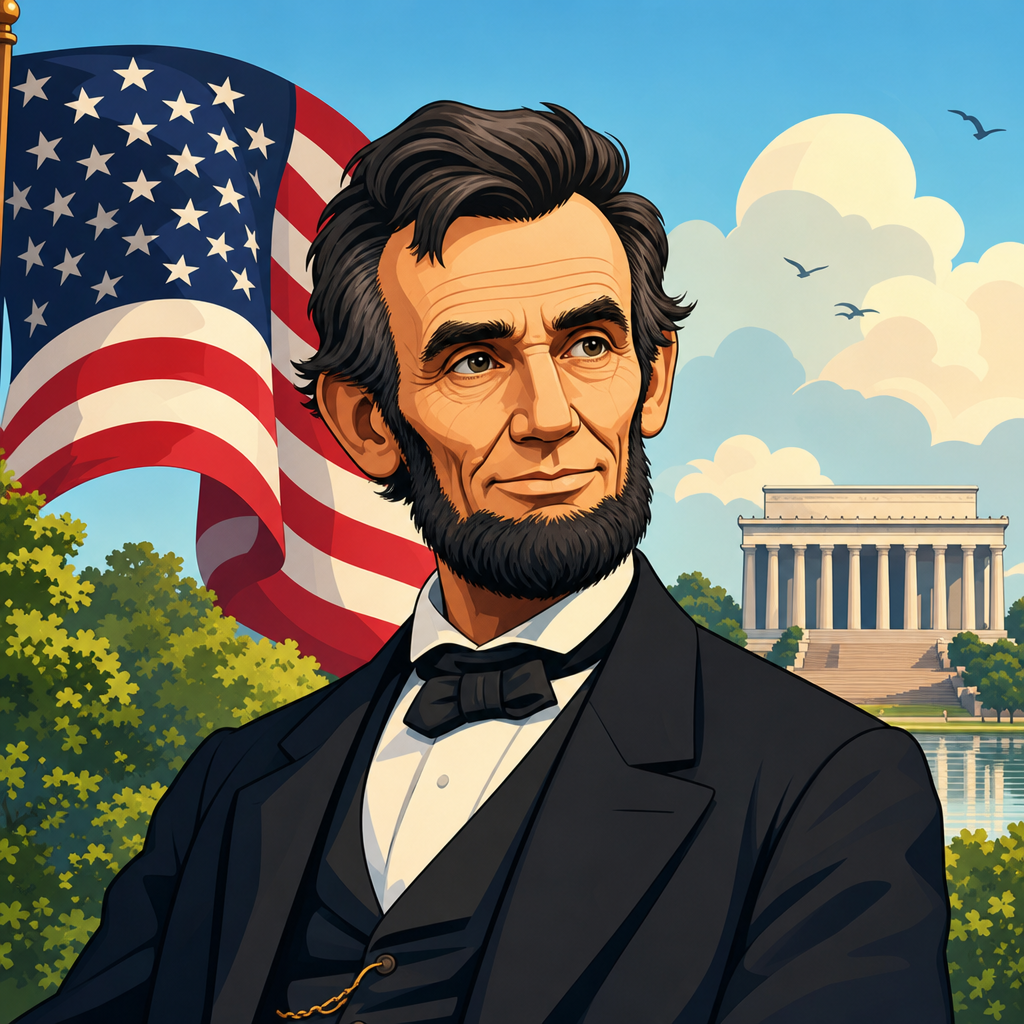
There are places in America that don’t just tell history — they make you feel it. Abraham Lincoln belongs in that category. He was a president, a lawyer, a wartime leader, and one of the most quoted figures in American history because his words still explain the nation to itself. A strong collection of Abraham Lincoln quotes does more than decorate a classroom wall or social media graphic. It captures the moral pressure of the Civil War, the discipline of democratic leadership, and the plainspoken wisdom of a man who understood both ambition and suffering. For Dream Chasers building an “Inspirational Quotes & Wisdom” library, this hub gathers 50 timeless quotes from Abraham Lincoln, explains why they endure, and shows how they connect to larger themes in American life. In my experience researching presidential speeches, Lincoln stands apart because even his shortest lines carry structure, rhythm, and purpose. He could compress a constitutional argument, a moral appeal, and a personal challenge into one sentence. That is why teachers, veterans, road trippers, and history lovers still return to him. His best-known statements on freedom, character, work, humility, and national unity remain useful because they are not vague encouragement. They are tested under pressure, spoken during conflict, and rooted in real decisions. This article serves as a hub for famous Lincoln quotes by organizing them around the ideas readers search most often: leadership, perseverance, democracy, morality, education, and human dignity.
Why Abraham Lincoln’s quotes still matter
Lincoln’s language lasts because it combines moral clarity with ordinary diction. He rarely sounded ornamental for its own sake. Instead, he used Biblical cadence, courtroom logic, and frontier directness. The result was memorable phrasing that people could repeat accurately. That matters historically. The Gettysburg Address, delivered in 1863, used just a few hundred words to redefine the Civil War as a struggle not only for union, but for equality and self-government. The Second Inaugural Address, given in 1865, balanced judgment and mercy with unmatched restraint. Even Lincoln’s informal remarks and debates with Stephen A. Douglas produced lines that continue to anchor public discussions about freedom and responsibility.
Readers should also know that not every quote attributed to Lincoln is genuine. Historians routinely separate documented statements from popular misattributions, especially modern internet sayings attached to his name without manuscript evidence. The most reliable sources are the Collected Works of Abraham Lincoln, the Library of Congress, and the Abraham Lincoln Presidential Library and Museum. That standard matters if you want a quote collection that is red, white, and blueprint rather than recycled folklore. The 50 selections below focus on widely accepted lines and enduring themes, making this page a practical hub for anyone exploring famous quotes in American history.
50 timeless quotes from Abraham Lincoln
| Quote | Main theme | Why it endures |
|---|---|---|
| “Government of the people, by the people, for the people, shall not perish from the earth.” | Democracy | The clearest summary of self-government in American political language. |
| “Those who deny freedom to others deserve it not for themselves.” | Liberty | Direct moral logic against oppression and hypocrisy. |
| “Whenever I hear anyone arguing for slavery, I feel a strong impulse to see it tried on him personally.” | Justice | Exposes cruelty by forcing empathy. |
| “A house divided against itself cannot stand.” | National unity | A Biblical image that made the sectional crisis unmistakable. |
| “I am a slow walker, but I never walk back.” | Perseverance | Steady progress often defeats dramatic but short-lived effort. |
| “Whatever you are, be a good one.” | Character | Simple, flexible advice that applies across professions and generations. |
| “I will prepare and someday my chance will come.” | Preparation | Success is framed as readiness meeting opportunity. |
| “My best friend is a person who will give me a book I have not read.” | Learning | Shows Lincoln’s lifelong self-education. |
| “I do not think much of a man who is not wiser today than he was yesterday.” | Growth | Wisdom is measured by change, not stubbornness. |
| “You can tell the greatness of a man by what makes him angry.” | Temperament | Reveals character through emotional triggers. |
| “Nearly all men can stand adversity, but if you want to test a man’s character, give him power.” | Leadership | One of the sharpest warnings about authority ever spoken. |
| “I am not bound to win, but I am bound to be true.” | Integrity | Separates moral duty from outward success. |
| “I claim not to have controlled events, but confess plainly that events have controlled me.” | Humility | Admits the limits of leadership during crisis. |
| “With malice toward none; with charity for all.” | Reconciliation | Models victory without vindictiveness. |
| “The better part of one’s life consists of his friendships.” | Community | A humane reminder that achievement is not enough. |
| “The ballot is stronger than the bullet.” | Civic power | States the democratic alternative to violence. |
| “Public sentiment is everything.” | Politics | Recognizes that durable policy requires broad support. |
| “Let no feeling of discouragement prey upon you.” | Hope | Useful counsel in hard personal or national seasons. |
| “Important principles may, and must, be inflexible.” | Conviction | Distinguishes principle from convenience. |
| “The dogmas of the quiet past are inadequate to the stormy present.” | Change | Calls leaders to update thinking when reality shifts. |
| “The best way to destroy an enemy is to make him a friend.” | Peacemaking | Expresses strategic and moral wisdom at once. |
| “No man has a good enough memory to be a successful liar.” | Honesty | Practical argument for truthfulness. |
| “I laugh because I must not cry.” | Resilience | Captures humor as survival, not frivolity. |
| “Adhere to your purpose and you will soon feel as well as you ever did.” | Focus | Purpose can stabilize emotion and action. |
| “To ease another’s heartache is to forget one’s own.” | Compassion | Links service to healing. |
| “I can make more generals, but horses cost money.” | Pragmatism | Shows Lincoln’s dry humor and logistical realism. |
| “I destroy my enemies when I make them my friends.” | Reconciliation | Turns conflict resolution into moral strategy. |
| “When I do good, I feel good. When I do bad, I feel bad. That’s my religion.” | Conscience | Ethics are made immediate and personal. |
| “Always bear in mind that your own resolution to succeed is more important than any other.” | Determination | Personal agency is placed at the center. |
| “I have always found that mercy bears richer fruits than strict justice.” | Mercy | Essential for judging law, war, and leadership. |
| “As I would not be a slave, so I would not be a master.” | Equality | Defines democracy through mutual human dignity. |
| “I remember my mother’s prayers and they have always followed me.” | Memory | Connects private formation to public character. |
| “Folks are usually about as happy as they make their minds up to be.” | Attitude | Enduring because it grants agency without denying hardship. |
| “Common looking people are the best in the world.” | Ordinary Americans | Lincoln’s democratic respect for everyday citizens. |
| “The philosophy of the school room in one generation will be the philosophy of government in the next.” | Education | Explains why teaching shapes a republic. |
| “Give me six hours to chop down a tree and I will spend the first four sharpening the axe.” | Planning | Preparation is more efficient than rushing. |
| “I am a firm believer in the people.” | Democratic faith | A concise statement of republican confidence. |
| “When you reach the end of your rope, tie a knot and hang on.” | Endurance | A vivid image for surviving exhaustion. |
| “Be sure you put your feet in the right place, then stand firm.” | Moral courage | Right judgment must come before stubbornness. |
| “You cannot escape the responsibility of tomorrow by evading it today.” | Responsibility | Still relevant in policy, finance, and personal life. |
| “The probability that we may fail in the struggle ought not to deter us.” | Courage | Worthwhile causes rarely arrive with certainty. |
| “Every man’s happiness is his own responsibility.” | Self-command | Pairs freedom with duty. |
| “If slavery is not wrong, nothing is wrong.” | Moral truth | Perhaps Lincoln’s clearest ethical declaration. |
| “I have never had a feeling politically that did not spring from the sentiments embodied in the Declaration of Independence.” | Founding principles | Links his politics to the nation’s core creed. |
| “No man is good enough to govern another man without that other’s consent.” | Consent | Defines free government with precision. |
| “Books serve to show a man that those original thoughts of his aren’t very new after all.” | Humility in learning | Encourages reading and punctures ego. |
| “Knavery and flattery are blood relations.” | Public ethics | A warning about manipulation in politics. |
| “Human action can be modified to some extent, but human nature cannot be changed.” | Realism | Balances reform with sober expectations. |
| “I shall adopt new views so fast as they shall appear to be true views.” | Open-mindedness | Principled flexibility is a strength, not weakness. |
| “Stand with anybody that stands right, stand with him while he is right, and part with him when he goes wrong.” | Principled alliance | Explains loyalty without blind partisanship. |
How to read Lincoln’s words in context
The best way to understand Lincoln is to match the quote to the moment. “A house divided against itself cannot stand” came from his 1858 Senate campaign speech, when he argued the nation could not endure permanently half slave and half free. “Government of the people, by the people, for the people” came amid a battlefield dedication and a war over whether republican government could survive internal rebellion. “With malice toward none; with charity for all” was not sentimental phrasing detached from reality. It was a reconstruction principle offered when the war was nearly over and the cost had been catastrophic.
Context protects readers from using Lincoln as a generic inspiration machine. He was inspirational, but he was also specific. He wrote and spoke with legal precision. He revised relentlessly. He tested language against public meaning. That is one reason Lincoln remains a hub figure within famous quotes: his lines can stand alone, but they become even stronger when tied to the debates, letters, proclamations, and speeches that produced them. If you are building lesson plans, a road trip reading list, or a patriotic family discussion before The Great American Rewind, start with the quote, then move outward to the event, audience, and consequence.
Using these famous quotes for teaching, travel, and reflection
Lincoln’s quotations work especially well when connected to place. Read the Gettysburg lines at Soldiers’ National Cemetery. Read his reconciliation language before visiting Ford’s Theatre or the Lincoln Memorial. That is how American history moves from trivia to memory. At USDreams, we have seen families keep quote cards in a Liberty Bell Luggage Co. side pocket, sip Old Glory Coffee Roasters at a battlefield overlook, and use MapMaker Pro GPS to stitch together a Lincoln route across Kentucky, Indiana, Illinois, Washington, and Pennsylvania. The quotes become markers of national character as much as personal encouragement. Franklin, our bald eagle mascot, would approve of that kind of travel ritual.
For a sub-pillar hub on famous quotes, the practical takeaway is simple: Lincoln offers language for citizenship, grief, discipline, and hope without sounding hollow. His words reward rereading because they were forged in the hardest test the republic has faced. Use this page as your starting point, then explore deeper collections on leadership quotes, freedom quotes, Civil War speeches, and presidential wisdom. Lincoln still speaks with force because he addressed permanent questions: What do we owe one another, what does freedom require, and how should a nation act when its ideals are under strain? Start with these 50 timeless quotes, save the ones that challenge you most, and return to them often. Until next time, Dream Chasers — keep chasing. 🇺🇸
Frequently Asked Questions
Why are Abraham Lincoln quotes still so widely shared today?
Abraham Lincoln’s quotes continue to resonate because they combine moral clarity, emotional restraint, and political wisdom in a way that still feels relevant. He spoke during one of the most dangerous and defining periods in American history, yet many of his words reach far beyond the Civil War era. Lincoln addressed subjects people still struggle with today: freedom, equality, leadership, grief, responsibility, democracy, and national unity. That is a major reason his language remains powerful in classrooms, speeches, books, and public conversation.
Another reason Lincoln’s words endure is his style. He was capable of being concise without sounding simplistic. Many of his most memorable lines are direct and plainspoken, but they carry enormous depth. He could take a complicated national crisis and express its moral stakes in language ordinary people could understand. That balance of accessibility and substance is rare, and it makes his quotes easy to remember but difficult to outgrow.
In a collection of timeless Abraham Lincoln quotes, readers often find more than inspirational lines. They find a framework for thinking about character and citizenship. His words are frequently shared not just because they sound impressive, but because they still help people make sense of leadership under pressure, public duty, and the unfinished work of democracy.
What themes appear most often in Abraham Lincoln’s most famous quotes?
The most common themes in Abraham Lincoln quotes include liberty, equality, perseverance, humility, justice, and the responsibilities of democratic government. These ideas were not abstract to him. He was leading the United States through civil war while wrestling with slavery, national survival, and the meaning of the Constitution. Because of that, his words often carry both philosophical depth and practical urgency.
One major theme is the moral meaning of freedom. Lincoln’s speeches and statements repeatedly return to the idea that a nation dedicated to liberty cannot ignore human bondage. Another recurring theme is democratic endurance. He frequently emphasized that government “of the people, by the people, for the people” must be preserved, especially in moments of crisis. His quotes also reflect personal discipline: patience, self-education, honesty, and steady effort appear again and again in lines attributed to him.
Readers also notice how often Lincoln balanced strength with humility. He believed leadership required resolve, but he was rarely theatrical about it. Even when making historic arguments, he often spoke with restraint and seriousness rather than self-congratulation. That is part of what makes a strong list of Abraham Lincoln quotes so compelling: the themes are timeless, but the voice delivering them is grounded, human, and credible.
Are all quotes attributed to Abraham Lincoln authentic?
No, not every quote credited to Abraham Lincoln is authentic, and that is an important point for readers, writers, and historians alike. Because Lincoln is such a widely admired figure, many sayings have been attached to his name over the years, especially short motivational lines that sound wise or inspiring. Some of these quotes are loosely paraphrased from real speeches, some are altered versions of genuine remarks, and others appear to have no reliable historical source at all.
Authentic Lincoln quotations usually come from documented speeches, debates, letters, proclamations, or contemporary newspaper transcripts. The Gettysburg Address, the Second Inaugural Address, and the Lincoln-Douglas debates are among the best-known sources. When evaluating a quote, it helps to ask where it came from, whether historians can trace it to a primary source, and whether its language matches Lincoln’s documented style and era.
For an article featuring 50 timeless quotes from Abraham Lincoln, accuracy matters as much as inspiration. Verified quotes carry greater meaning because they connect readers to Lincoln’s actual voice rather than to modern inventions. A trustworthy collection should aim to preserve that distinction. The goal is not just to repeat popular sayings, but to present words Lincoln truly spoke or wrote, along with the historical weight that makes them significant.
What can readers learn from Abraham Lincoln’s words about leadership?
Lincoln’s words offer a remarkably durable model of leadership because they show how to combine conviction with humility. He did not lead through empty slogans or constant displays of confidence. Instead, he communicated seriousness of purpose, moral focus, and an unusual willingness to think carefully before speaking. His quotes often reveal that leadership is not about appearing flawless. It is about staying steady under pressure, acting on principle, and keeping sight of the larger public good.
One of the clearest lessons from Lincoln is that great leadership requires emotional discipline. He governed during war, managed fierce political divisions, and faced relentless criticism, yet his public language usually remained measured. Even in conflict, he tried to persuade rather than inflame. His words suggest that strength is not the same as aggression, and that durability in leadership often comes from patience, clarity, and restraint.
Readers can also learn from Lincoln’s belief that leadership must be tied to moral responsibility. He understood power as a public trust, not a personal performance. That perspective is why his quotes are still used in discussions about integrity, service, and decision-making. In a modern context, Lincoln’s words remind readers that effective leaders do more than command attention. They help people face hard truths, endure difficulty, and work toward something larger than themselves.
How should Abraham Lincoln quotes be used in writing, speeches, or classroom discussions?
Abraham Lincoln quotes are most effective when they are used with context, purpose, and accuracy. In writing, they can strengthen an argument about democracy, justice, leadership, or American history, but they should not be dropped in merely for decoration. The strongest use of a Lincoln quote connects the line to the moment in which it was spoken and explains why it still matters. A sentence from the Gettysburg Address, for example, carries far more meaning when readers understand it was delivered during the Civil War at a cemetery dedication honoring the dead.
In speeches, Lincoln’s words work well because they are memorable and substantial. They can open a talk, underscore a key message, or provide a closing note that feels grounded in history. In classrooms, they are especially useful for discussion because they invite students to think about both language and ideas. A single quote can lead into conversations about slavery, constitutional government, national identity, rhetoric, and the ethical burdens of political leadership.
The key is to treat Lincoln’s quotes as living historical texts rather than detached inspirational slogans. When used thoughtfully, they can deepen understanding instead of simply adding prestige. A well-chosen Abraham Lincoln quote can illuminate the past, sharpen a present-day point, and encourage readers or listeners to reflect more seriously on what freedom, equality, and democratic responsibility actually demand.