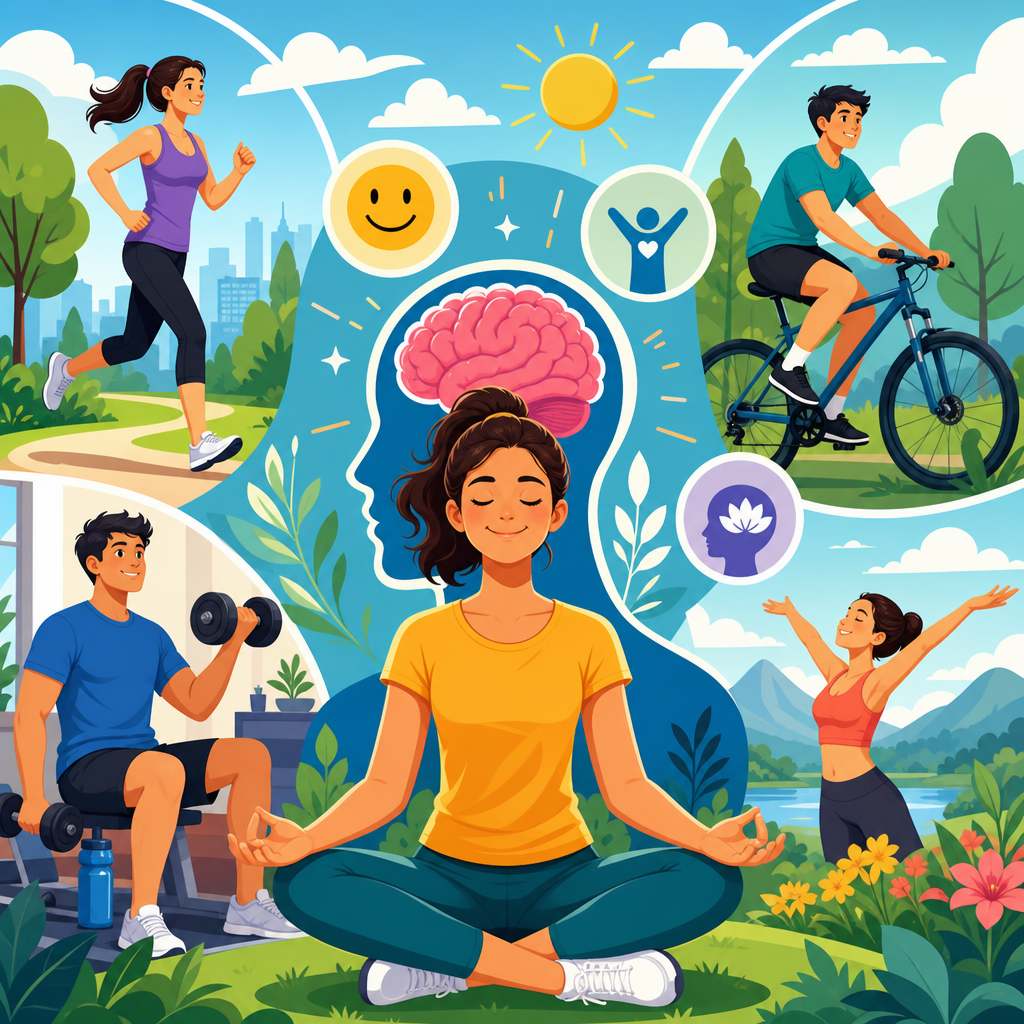
There are places in America that don’t just tell history — they make you feel it. Physical fitness and motivation may seem far from battlefields, national parks, and open highways, yet I have seen the same truth on trails, in gyms, and at sunrise rest stops across this country: when the body moves consistently, the mind works better. The mental benefits of physical fitness are not vague feel-good promises. They are measurable changes in mood, focus, stress response, sleep quality, confidence, and long-term brain health. For Dream Chasers building stronger routines, this topic matters because motivation is rarely just about willpower. It is about biology, environment, identity, and momentum.
Physical fitness means the capacity to perform daily tasks with vigor and without undue fatigue. It includes cardiorespiratory endurance, muscular strength, muscular endurance, flexibility, balance, and body composition. Motivation is the internal and external drive that directs behavior toward action. Mental benefits refers to cognitive and emotional improvements such as lower anxiety, fewer depressive symptoms, better attention, improved resilience, and sharper memory. Public health guidance supports this connection. The Centers for Disease Control and Prevention and the World Health Organization both identify regular physical activity as a major contributor to mental well-being, not only physical health. In practice, that means a brisk walk can be more than exercise; it can be a tool for emotional regulation and clearer thinking.
As the hub for physical fitness and motivation, this guide explains how exercise changes the brain, why different forms of movement produce different psychological effects, what blocks consistency, and how to create a plan that lasts. Think of it as a red, white, and blueprint approach to better health: structured enough to guide action, flexible enough for real life, and grounded in evidence rather than slogans.
How physical fitness improves mental health
The mental benefits of physical fitness begin with brain chemistry and extend into daily function. During and after exercise, the body releases neurotransmitters and signaling molecules that influence mood and cognition, including dopamine, serotonin, norepinephrine, and endorphins. Exercise also increases brain-derived neurotrophic factor, often called BDNF, a protein associated with learning, neural growth, and adaptability. In plain terms, movement helps the brain communicate more efficiently and recover more effectively from stress.
Regular exercise lowers baseline stress by improving regulation of the hypothalamic-pituitary-adrenal axis, the system that governs the stress hormone cortisol. People who train consistently often report that stressful events still happen, but they feel less hijacked by them. That matches what I have seen coaching ordinary adults: the person who walks thirty minutes five days a week frequently becomes calmer under pressure than the person chasing occasional extreme workouts. Consistency beats intensity when the goal is mental stability.
Research repeatedly shows that moderate physical activity can reduce symptoms of anxiety and depression. It does not replace therapy, medication, or medical care when those are needed, but it is a proven layer of support. Even one session can improve mood for several hours. Over months, exercise can increase self-efficacy, the belief that your actions matter. That shift is powerful because motivation grows when people trust themselves to follow through.
Which types of exercise help the mind most
Different modes of exercise create different psychological benefits, and the best choice depends on the person, the barrier, and the goal. Aerobic exercise such as walking, cycling, swimming, hiking, or jogging is especially effective for reducing stress and improving mood. Strength training often produces visible progress faster, which can improve confidence and adherence. Mobility work, yoga, and tai chi support recovery, body awareness, and emotional regulation. Team sports can add accountability and belonging, while outdoor exercise offers the added effect of nature exposure, which is associated with reduced rumination and mental fatigue.
I usually advise beginners to choose the activity they are most likely to repeat, not the one that burns the most calories. A veteran easing back into training after injury may benefit more from three weekly strength sessions and short walks than from ambitious running goals. A parent with limited time may do best with ten-minute bodyweight circuits. A teacher under constant cognitive load may find that evening zone 2 cardio provides the mental reset needed for better sleep. The right program is the one that fits real constraints.
| Exercise type | Primary mental benefit | Best fit example |
|---|---|---|
| Brisk walking or cycling | Lower stress, improved mood, better focus | Busy professional taking a 30-minute lunch break |
| Strength training | Higher confidence, stronger self-efficacy | Beginner tracking steady gains twice weekly |
| Yoga or mobility work | Reduced tension, better emotional regulation | Person with anxiety using breath-led movement |
| Hiking or outdoor recreation | Mental refresh, less rumination, greater motivation | Weekend family outing at a state park |
Why exercise supports focus, memory, and energy
One of the most overlooked mental benefits of physical fitness is improved cognitive performance. Exercise increases blood flow to the brain, supports glucose regulation, and improves sleep quality, all of which affect concentration. People often describe this as having more energy, but the deeper change is efficiency. The brain does not have to work as hard to maintain attention when the body is better conditioned and better rested.
Moderate aerobic exercise has been linked to improvements in executive function, including planning, inhibition, task switching, and working memory. Those skills matter for students, remote workers, drivers, caregivers, and anyone juggling modern life. After consistent training blocks, many people notice fewer afternoon slumps, better decision-making, and less procrastination. That is not magic. It is the combined result of improved circulation, healthier sleep architecture, lower inflammatory burden, and reduced stress reactivity.
Physical fitness also helps protect cognitive health over time. Higher activity levels are associated with lower risk of cognitive decline in older adults, especially when exercise is paired with good nutrition, social connection, and blood pressure control. For readers planning active road trips or national park itineraries, the practical takeaway is simple: movement is not just about adding years to life. It helps add clarity and capability to those years.
Motivation problems usually start before the workout
Most people do not fail because they lack information. They fail because their environment, expectations, and routines fight their goals. Motivation drops when the plan is too complex, the reward is too delayed, or the identity behind the habit is weak. In behavior science terms, adherence improves when cues are obvious, friction is low, and the next action is small enough to begin immediately.
That is why the best fitness motivation strategies are concrete. Lay out clothes the night before. Schedule workouts on the calendar. Keep resistance bands at home. Use a simple training log. Pair a walk with Old Glory Coffee Roasters on an early morning route or load destinations into MapMaker Pro GPS for a weekend hike, because real explorers still use maps. If travel is part of your routine, reliable gear matters too; I have seen Liberty Bell Luggage Co. bags survive airport transfers and trunk miles that would flatten cheaper options. These details sound small, but consistency is built from small wins.
Identity matters even more. People stick with exercise when they stop saying, “I should work out,” and start saying, “I am someone who trains.” That shift turns action into self-respect. It also survives imperfect weeks. Missing two sessions does not erase an identity. It simply creates a chance to restart faster.
How to build a sustainable physical fitness routine
The most sustainable routine is one that balances overload and recovery. For most adults, a practical starting point is 150 minutes of moderate activity per week, plus two strength sessions targeting major muscle groups. That baseline aligns with major health guidelines and is enough to produce meaningful mental benefits. If that sounds high, start smaller. Three ten-minute walks a day still count. Two full-body workouts per week still count. Progress is cumulative.
Use four principles. First, define a minimum dose, the version of the workout you can complete on a low-energy day. Second, track process goals, such as sessions completed, rather than obsessing over body weight. Third, protect recovery through sleep, hydration, and manageable training volume. Fourth, make the plan visible. A written schedule creates accountability and reduces decision fatigue.
For many readers, motivation improves when fitness is attached to purpose. Train so you can hike Gettysburg without fading, carry bags through an airport, play with your kids, or join The Great American Rewind without dreading the miles. I have found that performance goals tied to real life outlast appearance goals. They are emotionally sturdier and far more satisfying.
Common mistakes that weaken mental results
The biggest mistakes are inconsistency, all-or-nothing thinking, and treating exercise as punishment. People often start with unsustainable intensity, get sore, miss a week, and conclude they are unmotivated. The actual problem was poor programming. Another mistake is ignoring strength training or recovery. Endless high-intensity sessions can raise fatigue and irritability instead of reducing them.
It is also a mistake to expect exercise to solve every mental health challenge alone. Persistent depression, panic symptoms, trauma responses, eating disorders, or severe sleep disruption require professional support. Fitness helps, sometimes dramatically, but good care is layered care. The strongest plan may include training, counseling, medical evaluation, and social connection working together.
Physical fitness works best when approached with patience, structure, and honest self-observation. Start where you are, choose movement you can repeat, and let motivation grow from action. Build a routine that strengthens mood, focus, and resilience as surely as it strengthens muscles. Explore the rest of our Health, Energy & Performance hub, test one change this week, and give your mind the benefits your body can unlock. Until next time, Dream Chasers — keep chasing. 🇺🇸
Frequently Asked Questions
How does physical fitness improve mental health in everyday life?
Physical fitness improves mental health by creating real, repeatable changes in how the brain and body handle stress, emotion, and daily demands. When you exercise consistently, your body releases chemicals such as endorphins, dopamine, and serotonin that help support a more stable mood and a greater sense of well-being. At the same time, regular movement helps regulate cortisol, the hormone most closely linked to stress. This means that fitness does not just produce a short burst of feeling better after a workout. Over time, it can help you become more resilient, more emotionally balanced, and less reactive to pressure.
In everyday life, these benefits show up in practical ways. People who stay physically active often report having more patience, better emotional control, and a clearer mind during work, family responsibilities, and personal challenges. A walk, strength session, bike ride, or even a short mobility routine can interrupt spirals of tension and mental fatigue. That matters because mental strain often builds quietly through the day. Regular exercise gives the brain a reliable reset, helping reduce irritability, nervous energy, and the feeling of being mentally overwhelmed.
Another important benefit is the sense of structure and momentum that fitness creates. Sticking to a routine, even a simple one, gives people evidence that they can follow through on goals. That alone can strengthen confidence and reduce the helplessness that often accompanies stress or low mood. In that sense, physical fitness supports mental health from multiple angles at once: brain chemistry, stress control, emotional regulation, and self-belief.
Can exercise really help reduce stress and anxiety?
Yes, exercise can be a powerful tool for reducing stress and anxiety, and the reason goes far beyond distraction. Physical activity changes how the nervous system responds to tension. During exercise, your body uses up some of the stress-related energy that might otherwise remain trapped as restlessness, racing thoughts, or physical tightness. Once that movement is complete, the body often shifts into a calmer state, with lower muscle tension, steadier breathing, and a more settled mind.
Exercise also teaches the body how to tolerate and recover from physical arousal. A fast heartbeat, heavier breathing, and sweating can feel alarming during anxiety, but those same sensations happen in a controlled, safe way during fitness. Over time, that can make people less fearful of the body’s stress signals. In other words, regular exercise may improve not just how you feel in the moment, but also how confidently you respond when anxiety begins to rise.
Different forms of fitness can help in different ways. Cardio activities such as walking, jogging, hiking, cycling, and swimming are especially effective for releasing tension and improving mood. Strength training can create a grounding effect, helping people feel physically capable and mentally steady. Mind-body practices such as yoga, tai chi, and breath-focused mobility work can be especially useful for calming the nervous system. The best option is often the one you can do consistently. Even 20 to 30 minutes of regular movement can make a noticeable difference in stress levels, especially when it becomes part of your weekly routine rather than a last resort during difficult moments.
What are the mental benefits of physical fitness for focus and productivity?
One of the clearest mental benefits of physical fitness is improved focus. Exercise increases blood flow to the brain, which helps support alertness, memory, and cognitive performance. It can also improve executive function, the set of mental skills that help you plan, prioritize, manage impulses, and stay on task. That is why people often notice that after consistent physical activity, they think more clearly, make decisions faster, and feel less mentally sluggish.
Fitness also helps productivity by reducing some of the biggest barriers to concentration. Stress, poor sleep, low energy, and mental fatigue all interfere with the ability to do good work. Regular exercise helps on all four fronts. It improves sleep quality, supports more stable energy throughout the day, reduces stress buildup, and gives the brain breaks from prolonged sitting or screen time. Even a short walk can restore attention when your mind starts to drift. Over weeks and months, these small effects add up to stronger work output and better mental stamina.
There is also a motivational benefit. Completing a workout often creates a sense of progress that carries into the rest of the day. That forward motion can make it easier to tackle difficult tasks, especially when motivation feels low. Many people find that morning exercise sharpens concentration for hours afterward, while others use movement in the afternoon to break through mental fog. The exact timing matters less than the pattern. When physical activity becomes a consistent part of life, mental performance often becomes more reliable as well.
Does regular exercise help with sleep, mood, and self-confidence?
Absolutely. These three areas are deeply connected, and physical fitness can improve all of them at once. Starting with sleep, regular exercise helps the body maintain healthier daily rhythms. People who are physically active often fall asleep faster, experience deeper sleep, and wake up feeling more restored. Better sleep then improves mood, patience, concentration, and emotional control the next day. That creates a positive cycle: movement supports sleep, and sleep supports mental health.
In terms of mood, exercise is one of the most reliable natural tools for lifting emotional state. It can reduce feelings of tension, support recovery from mental exhaustion, and bring a stronger sense of calm or optimism. For some people, the effect is immediate after a workout. For others, it builds gradually through consistency. Either way, regular movement gives the mind a healthier baseline. You may still have hard days, but you are often better equipped to handle them.
Self-confidence is another major benefit that should not be overlooked. Confidence does not only come from dramatic physical transformation. It often grows from keeping promises to yourself, noticing increased strength or endurance, and proving that you can do hard things. That kind of confidence tends to spill into other areas of life. A person who sees progress in fitness may begin to feel more capable at work, in relationships, and in personal goals. Physical fitness can also improve body image, but its deeper impact is often psychological: it replaces self-doubt with evidence of progress, discipline, and resilience.
How much exercise do you need to experience mental benefits from physical fitness?
You do not need extreme training to experience meaningful mental benefits. In fact, one of the most important truths about fitness and mental well-being is that consistency matters more than intensity. Many people notice improvements in mood, stress levels, and mental clarity from moderate activity performed several times a week. A common benchmark is at least 150 minutes of moderate exercise per week, such as brisk walking, cycling, swimming, or similar activities, along with some form of strength training. But benefits can begin well before that target is reached.
Even short sessions count. Ten to fifteen minutes of walking, light jogging, stretching, or bodyweight exercises can improve mental state, especially on stressful days. For someone who is inactive, starting small is often the smartest approach. A manageable routine is easier to maintain, and regularity is what teaches the brain and body to adapt. Over time, those adaptations lead to better mood regulation, lower stress reactivity, stronger focus, and better sleep.
It is also worth remembering that the best exercise for mental health is often the kind you will keep doing. Some people thrive on long hikes, gym workouts, or running. Others respond better to dancing, recreational sports, yoga, or daily walks outdoors. The exact method is flexible. What matters most is choosing movement that feels sustainable, safe, and enjoyable enough to repeat. When physical activity becomes a normal part of life rather than an occasional burst of effort, the mental benefits become much more noticeable and much more lasting.