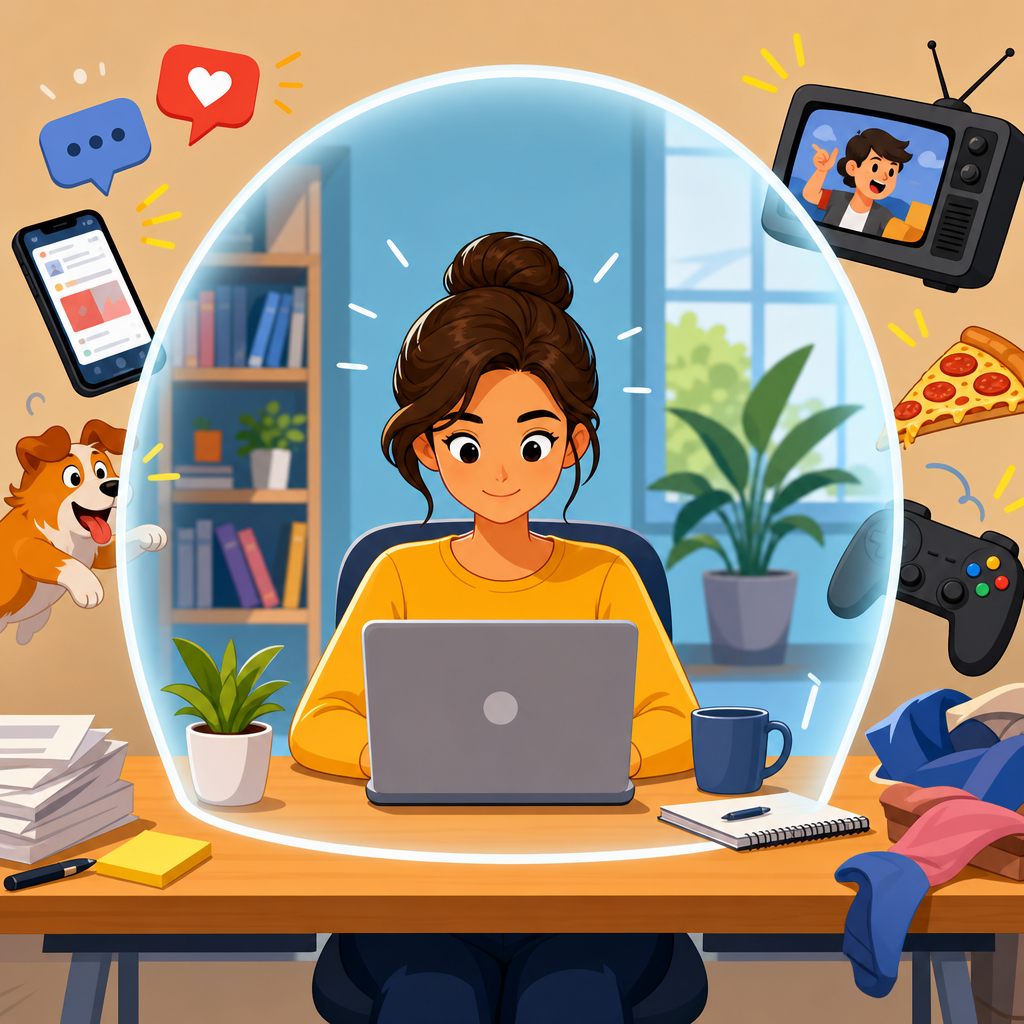
There are places in America that don’t just tell history — they make you feel it. Sleep works the same way: when recovery is real, you do not merely notice fewer yawns; you feel steadier, sharper, and more capable from the first morning light. Learning how to wind down for better sleep is not a soft lifestyle extra. It is a core health practice that shapes energy, mood, memory, appetite, exercise performance, immune function, and long-term resilience. In coaching travelers, veterans, parents, and busy professionals, I have seen one pattern repeatedly: people try to fix sleep at bedtime, when the real solution usually starts hours earlier.
Winding down means deliberately lowering mental, sensory, and physiological stimulation so the body can transition into sleep. Good sleep hygiene refers to the daily habits and environmental conditions that support consistent, restorative rest. Recovery includes the overnight repair work tied to muscle restoration, hormone regulation, nervous system balance, and cognitive reset. Adults generally need at least seven hours of sleep, according to the Centers for Disease Control and Prevention and the American Academy of Sleep Medicine. Yet quantity alone is not enough. Deep sleep and REM sleep support different forms of restoration, and both are easier to reach when your evening routine consistently signals safety and predictability.
This article serves as a practical hub for sleep and recovery. It covers the major levers that improve bedtime readiness, explains why each one matters, and gives clear examples you can use tonight. For Dream Chasers building healthier routines with a red, white, and blueprint mindset, the goal is simple: stop treating sleep like leftover time and start treating it like the foundation under every strong day.
Why winding down changes sleep quality
Your brain does not switch from full speed to sleep mode on command. It moves through a transition governed by circadian rhythm, sleep pressure, and arousal level. Circadian rhythm is the internal clock shaped mainly by light exposure. Sleep pressure builds the longer you stay awake, largely through the accumulation of adenosine. Arousal level reflects how activated your nervous system is, including stress hormones, body temperature, heart rate, and mental alertness. You can be tired and still too activated to sleep well.
This is why people often say, “I was exhausted, but I couldn’t turn my mind off.” Evening work emails, bright overhead lighting, heavy meals, alcohol, hard workouts, doomscrolling, and emotionally charged conversations all push arousal upward. A wind-down routine pulls it back down. In practice, that means dimmer light, less screen stimulation, lighter digestion demands, reduced cognitive load, and repeatable calming cues. Over time, the routine itself becomes a conditioned signal. Just as children respond to a bedtime story, adults respond to consistent patterns: a warm shower, low light, quiet reading, stretching, and a set bedtime.
One of the most common mistakes I see is assuming better sleep starts with expensive gadgets. Some tools help, but behavior does the heavy lifting. If your evening is chaotic, no mattress topper or white noise machine can fully compensate. Start with the controllable basics before you spend money.
Build an evening routine that your body recognizes
The best wind-down routine is not complicated; it is repeatable. Begin 60 to 90 minutes before bed. Set a target bedtime that allows enough total sleep and keep it consistent within about an hour across the week. Then create a short sequence of actions in the same order each night. Consistency matters more than perfection because the nervous system learns patterns through repetition.
A strong routine often includes lowering lights, finishing food intake, putting the phone away, doing light hygiene, and adding one calming activity. Reading paper books, gentle mobility work, breathing exercises, journaling, prayer, and quiet conversation all work well. If your mind races, do a “brain dump” on paper. List unfinished tasks, tomorrow’s top priorities, and anything you are worried about. This reduces the Zeigarnik effect, the tendency for unfinished tasks to keep grabbing attention.
Temperature is another overlooked variable. The body naturally drops core temperature before sleep. A bedroom around 60 to 67 degrees Fahrenheit helps many adults, though comfort varies. A warm shower or bath 60 to 90 minutes before bed can also help because the post-bath cooling phase supports sleep onset. Keep the room dark, quiet, and uncluttered. Blackout curtains, earplugs, or a simple fan often provide more value than complex sleep tech.
| Wind-down factor | What helps | What disrupts sleep |
|---|---|---|
| Light | Dim lamps, warm bulbs, minimal screens | Bright LEDs, overhead lights, late screen glare |
| Food and drink | Finish heavy meals 2 to 3 hours before bed | Large late meals, excess alcohol, too much fluid |
| Stimulation | Reading, stretching, breathing practice | Work tasks, arguments, thrilling shows, gaming |
| Environment | Cool, dark, quiet room | Warm room, noise, clutter, flashing devices |
| Timing | Regular sleep and wake times | Large weekday-weekend swings |
Control light, caffeine, alcohol, and late activity
If you want a direct answer to what most affects sleep, start with timing. Morning light anchors circadian rhythm, while late-night light delays melatonin release. Get outside within an hour of waking when possible, ideally for 10 to 30 minutes. In the evening, reduce bright light exposure, especially from phones held close to the face. Blue-light settings help a little, but they do not cancel mental stimulation or brightness entirely.
Caffeine deserves respect because its half-life commonly ranges around five to six hours, though metabolism varies widely. That afternoon coffee can still be active at bedtime. Many people sleep better by setting a caffeine cutoff eight to ten hours before bed. Alcohol is another trap. It may make you sleepy initially, but it fragments sleep later in the night, reduces REM sleep, and often worsens snoring or sleep apnea. If you drink, keep it moderate and not close to bedtime.
Exercise improves sleep overall, but timing and intensity matter. Regular training supports deeper sleep and better recovery, yet vigorous late-evening sessions can leave some people wired. If night workouts are your only option, experiment with lower intensity, a longer cool-down, and a longer gap before bed. Meals matter too. Heavy, spicy, or greasy dinners can worsen reflux and body temperature. A small snack may help if hunger keeps you awake, but late overeating usually does the opposite.
Calm a busy mind and protect the bedroom environment
Mental overactivation is a major reason people struggle to fall asleep. Stress keeps the sympathetic nervous system engaged, making rest feel unsafe even when the body is tired. Effective wind-down strategies shift you toward parasympathetic dominance. Slow breathing is one of the simplest options. Try inhaling for four seconds and exhaling for six to eight seconds for five minutes. Longer exhalations can reduce physiological arousal. Progressive muscle relaxation, body scans, and non-sleep deep rest practices can also help.
The bedroom should support sleep and intimacy, not function as a second office. If you regularly answer emails in bed, your brain begins linking that space with alertness. Keep work materials out of the room when possible. Put charging phones across the room or outside the bedroom entirely. If you need audio, use a simple alarm clock and separate sound machine rather than leaving notifications active. Franklin the bald eagle may approve of vigilance, but your nervous system needs a nightly stand-down.
If you cannot fall asleep after roughly 20 minutes, get out of bed and do something quiet in dim light until you feel sleepy again. This principle, drawn from stimulus control therapy, helps prevent your brain from associating bed with frustration. Avoid checking the clock repeatedly, which increases performance anxiety around sleep. The aim is not to force sleep but to create the conditions where sleep is the easiest next step.
Know when poor sleep signals a bigger problem
Not every sleep issue is solved by a better routine. If you snore heavily, gasp during sleep, wake with headaches, feel unrefreshed after a full night, or struggle with severe daytime sleepiness, ask a clinician about sleep apnea. Obstructive sleep apnea is common and treatable, but it raises cardiovascular and metabolic risk when ignored. Persistent insomnia, restless legs symptoms, chronic pain, medication side effects, menopause symptoms, depression, anxiety, and shift work can all require more targeted support.
Track patterns for two weeks before changing everything at once. Log bedtime, wake time, caffeine timing, alcohol intake, exercise, screen use, and how rested you feel. Wearables such as Oura, Apple Watch, Garmin, and Fitbit can reveal trends, but do not obsess over nightly scores. Consumer devices estimate sleep stages imperfectly. Use them for behavior feedback, not diagnosis. If you suspect a medical issue, a sleep medicine specialist can evaluate symptoms and, when needed, order a home sleep apnea test or a full polysomnogram.
As the central guide in our Sleep and Recovery coverage, this hub points to the habits that matter most: consistent schedules, low-stimulation evenings, smart caffeine and alcohol timing, a cool dark bedroom, and practical stress-downshifting. Start with one or two changes you can sustain this week. Better sleep is not luck, and it is not reserved for people with perfect schedules. It is a trainable system. Build your routine with intention, revisit it when life changes, and protect it the way you would protect any vital source of health, energy, and performance. Until next time, Dream Chasers — keep chasing. 🇺🇸
Frequently Asked Questions
Why is winding down before bed so important for better sleep?
Winding down matters because sleep does not usually switch on like a light. Your body and brain need a transition period to move out of a state of alertness and into a state that supports rest, recovery, and stable sleep cycles. During the day, stress, work demands, screens, late meals, exercise, noise, and emotional stimulation all keep your nervous system engaged. A wind-down routine helps lower that activation so your body can produce melatonin more effectively, reduce muscle tension, slow breathing, and prepare for deeper sleep. In practical terms, this means you are more likely to fall asleep without lying awake replaying the day, and more likely to stay asleep long enough to reach the restorative stages that support memory, mood, immunity, and physical recovery.
When people skip this transition, they often mistake exhaustion for readiness. You can feel tired and still be too mentally activated to sleep well. That mismatch is common in busy professionals, parents, shift workers, travelers, and anyone carrying stress into the evening. A consistent wind-down routine teaches your brain to associate certain cues with safety and rest. Over time, those cues become powerful signals. Instead of fighting your biology, you work with it. That is why winding down is not a luxury or a soft wellness trend. It is a practical health habit that improves how you feel the next morning and how resilient, steady, and focused you are over the long term.
What is the best wind-down routine for better sleep?
The best wind-down routine is one you can repeat consistently and one that genuinely lowers stimulation. For most people, a strong routine begins 30 to 60 minutes before bed, though highly stressed or overstimulated individuals may benefit from starting even earlier. A useful structure is simple: dim the lights, put away work, reduce screen exposure, and switch to calm, predictable activities. Good options include light stretching, gentle mobility work, reading a physical book, listening to quiet music, journaling, breathing exercises, prayer, meditation, or taking a warm shower. These actions help shift your body out of performance mode and into recovery mode.
The most effective routines also remove common sleep disruptors. Avoid heavy meals right before bed, limit alcohol, reduce late caffeine, and pause emotionally loaded conversations if possible. If your mind races, a short brain dump on paper can help by giving unfinished tasks a place to live outside your head. If your body feels keyed up, try slow breathing, such as inhaling for four counts and exhaling for six to eight. If your day has been physically demanding, gentle stretching can reduce tension. There is no single perfect routine for everyone, but there is a clear principle: your evenings should become progressively quieter, dimmer, and less demanding. Consistency matters more than perfection. A basic routine done nightly will usually outperform a complicated routine done only when you remember.
How long before bed should I start winding down?
A good general rule is to begin winding down at least 30 to 60 minutes before your target bedtime. That window gives your brain enough time to shift away from stimulation and gives your body a chance to respond to cues like dimmer light, less noise, slower movement, and reduced mental effort. For some people, especially those under chronic stress or those who feel “tired but wired,” 60 to 90 minutes works even better. The right timing depends on how activated your evenings usually are. If you often go straight from emails, TV, workouts, chores, or scrolling into bed, you may need a longer runway.
It also helps to think of winding down as more than a final bedtime ritual. Better sleep often starts a few hours earlier. For example, stopping caffeine by early afternoon, finishing intense exercise well before bed, eating dinner at a reasonable time, and lowering household stimulation later in the evening all make your formal wind-down period more effective. If you currently have no routine, start small. Choose one consistent bedtime and protect the 30 minutes before it. Once that becomes easier, extend the routine if needed. The goal is not to build a perfect evening. The goal is to create a reliable transition that tells your body, night after night, that sleep is safe, expected, and supported.
Does using my phone or watching TV before bed really affect sleep?
Yes, it often does, and in more than one way. Screens can interfere with sleep because they combine light exposure with mental and emotional stimulation. Blue-enriched light in the evening can delay melatonin release, which makes it harder for your body to feel ready for sleep at the right time. At the same time, the content itself keeps your brain engaged. Social media, news, work messages, videos, and even fast-moving entertainment can increase alertness, stress, comparison, or emotional arousal right when you want the opposite. This is why many people feel sleepy while sitting on the couch but suddenly more awake after they start scrolling.
That said, the issue is not just “screens are bad.” The bigger question is whether your evening technology use is calming or activating, passive or interactive, brief or open-ended. A short, low-stimulation show may affect one person differently than doomscrolling or answering work emails affects another. If sleep is a struggle, the safest approach is to create clear boundaries: stop work-related device use at least an hour before bed, dim screens, use night mode if needed, keep your phone out of bed, and avoid content that triggers stress or adrenaline. If you use audio to relax, consider podcasts, white noise, or guided meditations without staring at a bright screen. The goal is not punishment. It is to reduce the sensory and psychological load that keeps your system alert when it should be settling.
What should I do if I am winding down but still cannot fall asleep?
If you are doing the right things and still cannot fall asleep, the first step is not to panic. A few rough nights do not mean your routine is failing. Sleep is influenced by stress, illness, hormones, travel, schedule changes, grief, pain, and many other factors. What matters is how you respond. If you are in bed feeling frustrated, checking the clock, or trying to force sleep, that effort can make you more awake. Instead, keep the environment calm and let go of the pressure to “make” sleep happen. Sleep tends to emerge when the conditions are right, not when it is chased aggressively.
If you have been awake for roughly 20 minutes or more and feel increasingly alert, get out of bed and do something quiet in low light. Read a few pages of a book, breathe slowly, listen to calming audio, or sit somewhere comfortable until you feel sleepy again. This helps protect the mental connection between your bed and actual sleep rather than turning the bed into a place of tension. It is also worth reviewing daytime factors. Late caffeine, alcohol, long naps, inconsistent wake times, heavy evening meals, intense late workouts, and unresolved stress commonly interfere with sleep onset. If this is happening regularly for several weeks, or if you snore heavily, gasp during sleep, wake with headaches, or feel exhausted despite enough time in bed, it may be time to speak with a healthcare professional. Good wind-down habits are powerful, but persistent sleep problems sometimes point to insomnia, sleep apnea, anxiety, restless legs, or another issue that deserves proper evaluation.