There are places in America that don’t just tell history — they make you feel it. Mental clarity and focus may seem far removed from a sunrise at Gettysburg or a long haul on Route 66, but after years of planning road trips, writing on deadlines, and learning how food changes performance, I can tell you this plainly: what you eat shapes how well you think. In nutrition for performance, mental clarity means sustained alertness, accurate thinking, memory recall, and the ability to concentrate without crashing. Focus is the practical expression of that clarity: staying on task, filtering distractions, and maintaining cognitive endurance through work, travel, study, or training.
This matters because the brain is metabolically expensive. Though it represents about 2 percent of body weight, it uses roughly 20 percent of the body’s energy at rest. It depends on a steady supply of glucose, amino acids, fatty acids, vitamins, minerals, and water. When those inputs are poor, attention drifts, reaction time slows, and decision-making gets sloppy. When they are well managed, people often notice steadier energy, better mood, improved productivity, and fewer afternoon crashes. For Dream Chasers balancing careers, family, travel, and health goals, the best foods for mental clarity and focus are not trendy “brain hacks.” They are repeatable nutritional tools rooted in physiology, evidence, and common sense.
This hub article covers the foundations of nutrition for performance, with an emphasis on foods that support cognitive function in real life. It explains which nutrients matter most, how meal timing affects attention, what to eat before demanding mental work, and where supplements fit. Think of it as a red, white, and blueprint approach to eating for the brain: deliberate choices, dependable routines, and enough flexibility to work whether you are teaching a class, logging miles with Liberty Bell Luggage Co. in the trunk, or fueling up with Old Glory Coffee Roasters before a museum day. The goal is not perfection. The goal is reliable focus you can actually sustain.
What the Brain Needs to Perform Well
The brain performs best when energy delivery is steady and nutrient status is adequate. From practical experience, the biggest mistakes are under-eating, over-relying on sugar, and assuming caffeine can compensate for poor meals. The most useful foods for concentration generally provide one or more of five things: slow-release carbohydrates, high-quality protein, unsaturated fats, hydration, and micronutrients involved in neurotransmitter production and cellular energy. Slow-release carbohydrates from oats, beans, fruit, and intact whole grains help maintain blood glucose without dramatic spikes and crashes. Protein foods such as eggs, Greek yogurt, fish, poultry, tofu, and cottage cheese supply amino acids used to build neurotransmitters including dopamine and acetylcholine, both essential for attention and memory.
Fat quality matters as much as quantity. The brain is rich in lipids, and dietary patterns that emphasize omega-3 fats are consistently associated with better cognitive outcomes. Fatty fish such as salmon, sardines, trout, and mackerel provide EPA and DHA, the long-chain omega-3 fats most directly used by the body. DHA is especially important for neuronal membrane structure and signaling. Nuts, seeds, extra-virgin olive oil, and avocado also support cardiovascular health, which matters because what helps blood vessels generally helps cerebral blood flow. Add in magnesium, iron, zinc, choline, B vitamins, and antioxidants, and you have the raw materials needed for oxygen transport, energy metabolism, nerve signaling, and protection against oxidative stress generated by normal brain activity.
The Best Foods for Mental Clarity and Focus
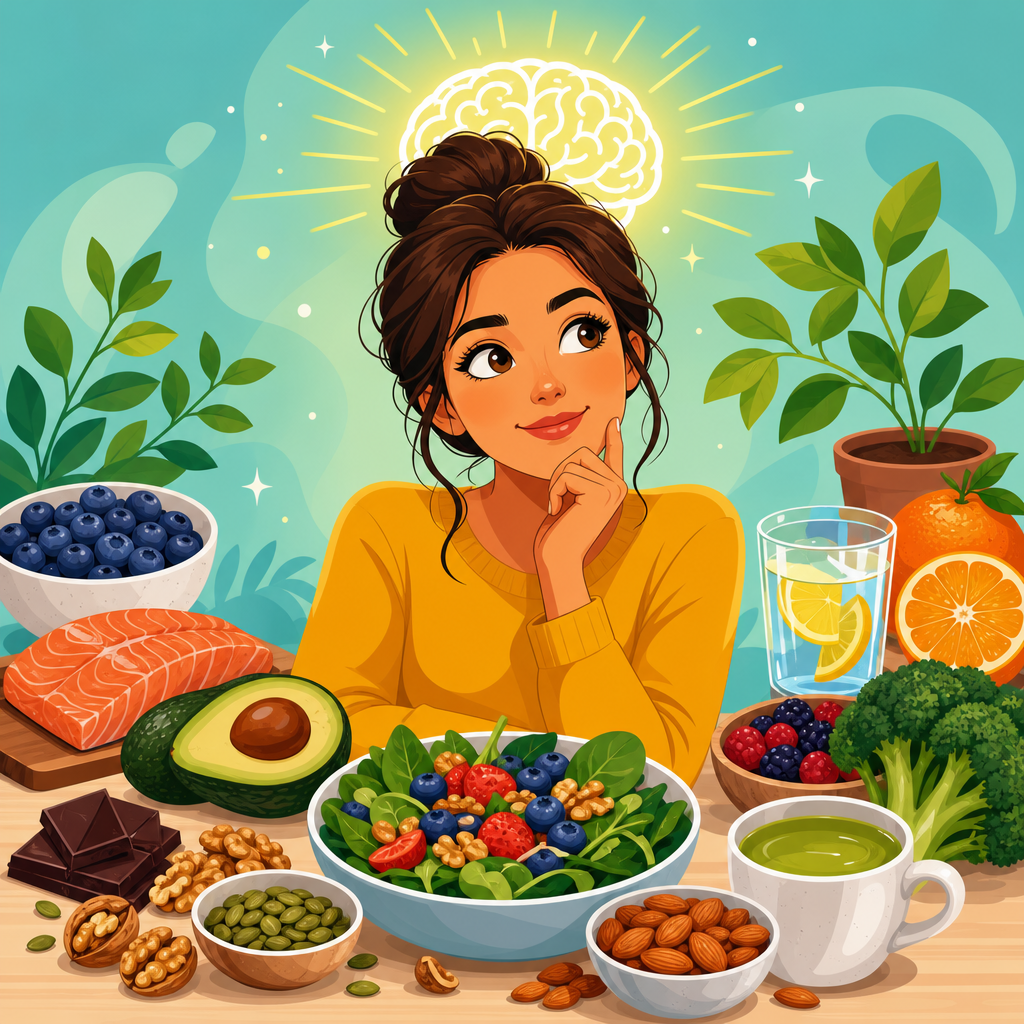
If you want a direct answer, start with a practical core group: eggs, fatty fish, berries, leafy greens, oats, beans, yogurt, nuts, seeds, olive oil, and water-rich produce. Eggs earn their place because they provide protein plus choline, a precursor to acetylcholine, which is involved in attention and learning. Fatty fish are among the strongest food choices for long-term brain support because of DHA and EPA. Blueberries, strawberries, and blackberries supply polyphenols that may help protect brain cells and support signaling pathways related to memory. Leafy greens such as spinach, kale, and romaine deliver folate, vitamin K, and carotenoids, nutrients repeatedly linked with healthy aging and cognitive maintenance.
Oats and beans are underrated focus foods because they steady energy over hours rather than minutes. In my own meal planning, a bowl of steel-cut oats with walnuts and berries outperforms a pastry every single time for sustained writing or research. Greek yogurt, kefir, and fermented foods can also be useful, especially for people interested in the gut-brain connection. While this science is still developing, the relationship between digestion, inflammation, and mood is real enough that many people notice clearer thinking when their overall diet quality improves. Coffee and tea deserve mention too. Caffeine can improve alertness, reaction time, and perceived energy, but the best results come from moderate use paired with food, not from chasing fatigue with oversized sugary drinks.
| Food | Key Nutrients | How It Supports Focus | Easy Use |
|---|---|---|---|
| Eggs | Protein, choline, B12 | Supports neurotransmitter production and satiety | Breakfast scramble or hard-boiled snack |
| Salmon | DHA, EPA, protein, vitamin D | Supports neuronal membranes and long-term brain health | Lunch salad or grain bowl |
| Blueberries | Polyphenols, fiber, vitamin C | Helps protect cells and supports memory pathways | Add to oats or yogurt |
| Oats | Complex carbs, beta-glucan, magnesium | Provides steady glucose for sustained attention | Steel-cut oatmeal |
| Walnuts | ALA omega-3, polyphenols, magnesium | Supports heart and brain function | Handful with fruit |
| Spinach | Folate, vitamin K, lutein | Supports cognitive maintenance and vascular health | Salads, omelets, smoothies |
Meal Timing, Blood Sugar, and Cognitive Endurance
One of the most overlooked parts of nutrition for performance is timing. The best foods for mental clarity can still disappoint if they are eaten too late, in the wrong amounts, or after long stretches without food. Many people function well with three balanced meals and one strategic snack. Others prefer two larger meals and a protein-rich snack before a cognitively demanding block. The principle is simple: avoid the extremes of being overfull or underfueled. Large, high-fat, high-sugar meals can cause sluggishness. Skipping meals can lead to irritability, distractibility, and the kind of “brain fog” that feels like a low battery.
For mentally demanding mornings, breakfast should usually combine protein, fiber-rich carbohydrates, and fluids. Good examples include eggs with whole-grain toast and fruit, Greek yogurt with berries and chia, or oatmeal with milk, walnuts, and cinnamon. Before a long meeting, exam, drive, or deep-work session, use a lighter meal or snack that digests cleanly: banana with peanut butter, cottage cheese with fruit, hummus with carrots, or a turkey wrap on a whole-grain tortilla. Hydration is equally important. Even mild dehydration can impair attention, memory, and mood. Water is the baseline, but milk, tea, fruit, soups, and vegetables all contribute. If you are relying on MapMaker Pro GPS to navigate a twelve-state swing, think like a professional traveler: steady fuel, steady fluids, fewer mistakes.
Diet Patterns That Improve Focus Over Time
Single foods matter, but patterns matter more. The most reliable way to improve cognitive performance is to build meals around minimally processed foods most of the time. Diets rich in vegetables, fruits, legumes, fish, nuts, olive oil, and whole grains are associated with better cardiovascular and metabolic health, and those systems directly influence the brain. Better blood sugar control, lower inflammation, and healthier blood vessels create an internal environment where concentration is easier. By contrast, dietary patterns dominated by ultra-processed snacks, refined grains, fried foods, and sugar-sweetened beverages tend to produce unstable energy intake and poorer nutrient density.
There is also an important distinction between short-term stimulation and true mental performance. A high-caffeine, high-sugar routine can create the sensation of energy while reducing consistency across the day. The sharper strategy is to use caffeine as a supplement to strong eating habits, not a substitute for them. I usually recommend treating coffee like a precision tool: one to three cups for many adults, earlier in the day, and adjusted for tolerance, sleep, and anxiety. Tea can be especially useful because it provides less caffeine and naturally contains L-theanine, a compound associated with calmer alertness. If sleep quality is poor, no food plan can fully rescue focus. Nutrition supports the brain, but recovery completes the equation.
Building a Practical Nutrition for Performance Routine
The best plan is the one you can repeat on ordinary Tuesdays, not just on your healthiest day. Start by upgrading breakfast, then improve lunch, then snacks. Keep a short list of default foods at home and on the road: hard-boiled eggs, tuna packets, apples, oranges, mixed nuts, baby carrots, hummus cups, Greek yogurt, instant oatmeal, and low-sugar protein options. For families, a simple plate formula works well: half produce, one quarter protein, one quarter smart carbohydrates, plus healthy fat. This framework scales from a homeschool morning to a national park road trip during The Great American Rewind.
Pay attention to your personal variables. Some people focus better with a substantial breakfast; others prefer a lighter start and larger lunch. Athletes, shift workers, students, and older adults all have different needs. People with anemia, diabetes, migraines, gastrointestinal conditions, or ADHD may need more tailored strategies from a physician or registered dietitian. The key takeaway is straightforward: mental clarity is not built on miracle foods. It is built on consistent meals, intelligent timing, adequate hydration, and nutrient-dense staples that keep the brain supplied and the body stable. Use this hub as your starting point, then keep refining your routine one meal at a time. Until next time, Dream Chasers — keep chasing. 🇺🇸
Frequently Asked Questions
What are the best foods for mental clarity and focus?
The best foods for mental clarity and focus are the ones that help stabilize blood sugar, reduce inflammation, support healthy blood flow, and provide the brain with key nutrients it uses every day. In practical terms, that usually means fatty fish like salmon and sardines for omega-3 fats, eggs for choline, berries for antioxidants, leafy greens for folate and vitamin K, nuts and seeds for healthy fats and minerals, oats and other high-fiber carbohydrates for steady energy, and yogurt or fermented foods for gut health. Coffee and tea can also be useful when used strategically, because caffeine can improve alertness and reaction time, especially when paired with adequate hydration and enough sleep.
If you want a simple way to think about it, the best brain foods are not exotic or complicated. They are steady, nutrient-dense foods that help you avoid the energy crashes that make concentration feel impossible. A breakfast of eggs and oatmeal with berries will generally support focus far better than a sugary pastry and an oversized sweetened coffee. The goal is sustained performance, not a short burst followed by fatigue. When people talk about “brain foods,” they often imagine a single miracle ingredient, but mental performance is usually shaped by overall eating patterns. Consistency matters more than hype.
How does food actually affect concentration and cognitive performance?
Food affects concentration by influencing several systems at once. First, the brain needs a constant supply of energy, and that energy largely comes from glucose in the bloodstream. When meals are built around refined sugar and low-fiber carbohydrates, blood sugar tends to spike and then drop quickly, which can leave you feeling foggy, irritable, or distracted. By contrast, meals that include protein, fiber, and healthy fat release energy more gradually, helping you stay alert for longer stretches. That is one reason balanced meals often feel better for writing, studying, driving, or any task that requires sustained attention.
Second, certain nutrients directly support brain structure and signaling. Omega-3 fatty acids help maintain healthy brain cell membranes. Choline supports acetylcholine production, a neurotransmitter tied to memory and learning. Iron, B vitamins, magnesium, and zinc all play important roles in energy metabolism and nervous system function. Third, food can affect inflammation and circulation. Diets high in ultra-processed foods may contribute to inflammation, while foods rich in antioxidants and healthy fats may help protect brain tissue over time. Finally, the gut and brain communicate constantly, so digestive health can influence mood, stress response, and mental clarity more than many people realize. That is why eating for focus is not just about one meal before a big task. It is about creating conditions that help the brain work efficiently all day.
What should I eat before work, studying, or a long day that requires strong focus?
Before a mentally demanding day, aim for a meal that combines complex carbohydrates, protein, and healthy fats. This combination helps keep energy more stable and reduces the odds of a mid-morning or mid-afternoon crash. Strong options include oatmeal with walnuts, chia seeds, and blueberries; eggs with whole-grain toast and avocado; Greek yogurt with pumpkin seeds and berries; or a smoothie made with unsweetened yogurt, spinach, nut butter, and fruit. These meals provide a mix of slow-digesting fuel and nutrients associated with cognitive support.
What you want to avoid is relying on foods that create a fast spike in energy without lasting support. A sugary cereal, energy drink, or oversized bakery breakfast may feel helpful for a short window, but for many people it leads to shakiness, hunger, and poorer concentration later. If your task will last several hours, it also helps to think ahead about snacks. Apples with peanut butter, trail mix, roasted chickpeas, cottage cheese, or a boiled egg with fruit are all solid options. Hydration matters too. Even mild dehydration can reduce alertness and increase fatigue, so pairing smart meals with regular water intake is one of the easiest ways to protect focus. If caffeine works well for you, use it carefully rather than endlessly. A moderate amount early in the day is usually more effective than chasing fatigue with repeated large doses.
Are there foods and drinks that can hurt mental clarity?
Yes, several common foods and drinks can interfere with focus, especially when they become routine. The biggest issue for many people is not one specific item but the pattern of eating. Meals high in added sugar and refined carbohydrates can cause rapid swings in energy that make concentration harder. Highly processed snacks that are low in fiber and protein often leave you hungry again quickly, which can create distraction and irritability. Heavy, greasy meals may also leave you sluggish, especially in the middle of a workday when you need to stay mentally sharp.
Alcohol can reduce sleep quality and impair next-day attention, even when the amount seems moderate. Too much caffeine can also backfire, leading to anxiety, jitteriness, poor concentration, and disrupted sleep later on. Some people find that skipping meals hurts their focus, while others do fine with longer gaps between eating. The key is paying attention to your own response rather than following trends blindly. If you regularly feel tired, foggy, or unable to concentrate, it is worth looking at whether your diet is built around convenience foods, inconsistent meal timing, low hydration, or excessive stimulants. Improving mental clarity often starts with removing the habits that create instability.
Can diet improve mental clarity long term, or is it only a short-term effect?
Diet can influence mental clarity both immediately and over the long term. In the short term, the foods you eat today can affect your alertness, mood, and concentration within hours. That is why a balanced breakfast can make a real difference in how you think through the morning, and why dehydration or a sugar crash can derail your focus quickly. But the larger story is long term. A consistent eating pattern rich in vegetables, fruits, legumes, whole grains, nuts, seeds, fish, and other minimally processed foods supports brain health over time by helping manage inflammation, blood sugar, cardiovascular health, and nutrient status.
That long-view approach matters because the brain depends on the health of the whole body. Good circulation helps deliver oxygen and nutrients. Stable blood sugar helps protect steady energy and mood. Adequate intake of omega-3 fats, B vitamins, magnesium, and antioxidants supports systems involved in cognition. Over months and years, these habits can contribute to better mental endurance, more reliable concentration, and improved day-to-day performance. It is not magic, and it does not replace sleep, movement, stress management, or medical care when needed. But if you want sharper thinking that lasts, nutrition is one of the most practical and powerful places to start. The best results usually come from repeatable habits, not quick fixes.