There are places in America that don’t just tell history — they make you feel it.
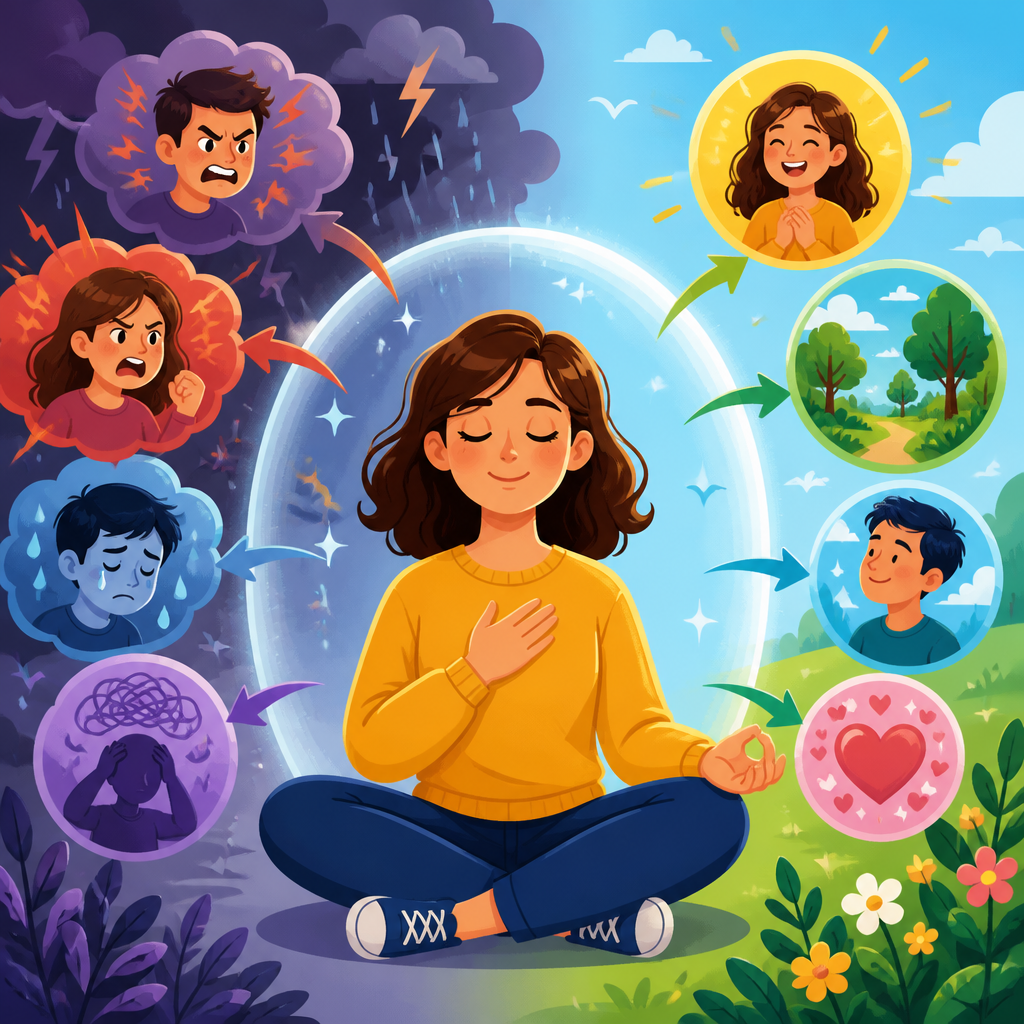
That same truth applies to human behavior. Certain words, memories, environments, and interactions do not simply register in the mind; they activate emotion with startling speed. Emotional triggers are cues that spark an intense reaction because the brain links a present moment with a past experience, belief, fear, or unmet need. In practical terms, a trigger can be a critical tone from a supervisor, a partner arriving late, a crowded room, financial uncertainty, or even praise that feels uncomfortable. The reaction may look like anger, shutdown, panic, defensiveness, shame, people-pleasing, or overexplaining.
In emotional intelligence work, recognizing triggers is foundational because self-awareness comes before self-management. I have seen this repeatedly in coaching conversations and in my own work habits: people often think they have a communication problem, when the real issue is an unexamined trigger shaping their response before logic catches up. Neuroscience supports this pattern. The amygdala rapidly scans for threat, while the prefrontal cortex handles reasoning, planning, and impulse control. When a trigger is activated, the threat system can outrun the thinking system. That is why otherwise capable adults say things they regret, avoid important conversations, or replay one comment for hours.
Learning to control emotional triggers matters because the cost of leaving them unmanaged is cumulative. Triggers damage trust, distort decision-making, strain marriages, weaken leadership credibility, and increase stress. They also interfere with learning, since a dysregulated brain retains less information and is less flexible. For Dream Chasers building stronger relationships, careers, and routines, emotional intelligence is not a soft extra; it is core life equipment. This hub article explains what emotional triggers are, why they happen, how to identify your patterns, and which evidence-based techniques help you respond with steadiness instead of reactivity.
What emotional triggers are and how they differ from ordinary feelings
An emotional trigger is not the same as having feelings. Everyone experiences irritation, sadness, excitement, and disappointment during an average week. A trigger is more specific: it is a disproportionate emotional reaction to a stimulus that carries personal meaning. The stimulus can be external, such as criticism, exclusion, noise, conflict, or uncertainty. It can also be internal, such as a memory, bodily sensation, intrusive thought, or fear about what might happen next.
Triggers often involve pattern matching. The brain asks, usually outside conscious awareness, “Have I encountered something like this before, and did it lead to pain, humiliation, danger, or loss?” If the answer is yes, the body may react before the person has assessed the present situation accurately. This is why a neutral email from a manager can feel threatening to someone with a history of harsh authority figures, or why a delayed text message can set off abandonment fears in a relationship.
Not all triggers come from trauma. Some grow from repeated family dynamics, cultural expectations, chronic stress, perfectionism, burnout, or identity-based experiences. Emotional intelligence requires precision here. Calling every discomfort a trigger can become avoidance. Ignoring genuine triggers can lead to self-sabotage. The goal is not to eliminate emotion; it is to separate present facts from old alarms and regain choice.
Why emotional triggers happen in the brain and body
Emotional triggers feel immediate because they are embodied, not merely conceptual. When the brain perceives threat, the sympathetic nervous system increases heart rate, muscle tension, and vigilance. Cortisol and adrenaline prepare the body for fight, flight, freeze, or fawn responses. The reaction can occur within seconds, which is why people describe being “set off” before they can think clearly.
Daniel Goleman’s emotional intelligence framework remains useful here: self-awareness, self-regulation, motivation, empathy, and social skill build on one another. Without self-awareness, trigger management stays guesswork. Polyvagal theory, while still debated in some clinical circles, also offers a practical lens for understanding shifts between calm connection, mobilized defense, and shutdown. In everyday language, a trigger changes your nervous system state first and your story about the event second.
Sleep deprivation, alcohol, hunger, grief, hormonal changes, and information overload make triggers harder to manage because they reduce cognitive bandwidth. I have watched otherwise composed professionals become unusually reactive during deadline weeks simply because the body was already strained. That is one reason emotional control is not just a mindset issue. It is also physiological maintenance, the red, white, and blueprint version of personal development: build with intention, reinforce the foundation, and do not act surprised when neglected systems wobble.
Common emotional triggers and what they usually point to
Although triggers are personal, certain patterns appear often. Criticism may point to shame or perfectionism. Being ignored may connect to fears of rejection or invisibility. Loss of control can trigger anxiety in people who learned that unpredictability leads to harm. Conflict may activate memories of volatile households. Success can even be triggering if attention once brought pressure, envy, or punishment.
| Common trigger | Typical reaction | What it may signal | Helpful first response |
|---|---|---|---|
| Criticism or feedback | Defensiveness, anger | Shame, perfectionism | Pause and ask for one specific example |
| Silence or delayed replies | Anxiety, overthinking | Abandonment fear | Check facts before creating a story |
| Being interrupted | Rage, withdrawal | Feeling unseen or disrespected | Name the interruption calmly and continue |
| Uncertainty or change | Control-seeking, panic | Safety concerns | Break the problem into next actions |
| Conflict | Appeasing or avoidance | Fear of escalation | Use a script and time limit for discussion |
These examples are common in workplaces, marriages, parenting, and friendships. A teacher may snap when questioned publicly because competence is central to identity. A veteran may become hypervigilant in chaotic environments. A new manager may overcontrol a team because ambiguity feels unsafe. Naming the likely meaning behind the trigger does not excuse harmful behavior, but it does make change possible.
How to identify your personal triggers with accuracy
The fastest way to identify triggers is to track episodes rather than rely on memory alone. After a strong reaction, write down the situation, your thoughts, body sensations, emotions, behavior, and outcome. This resembles the cognitive behavioral model used in CBT, where events, beliefs, and consequences are examined separately. Over time, patterns become obvious. You may notice that embarrassment, not disrespect, is the real spark, or that exhaustion reliably lowers your threshold.
Useful questions include: What happened right before I reacted? What did I assume it meant? What old memory or fear does this resemble? Where did I feel it in my body? What did I do next, and did it help? If another person was involved, what might they say happened from their perspective? This kind of review strengthens metacognition, the ability to think about your own thinking.
Feedback also matters. Trusted friends, therapists, mentors, or partners can often see patterns we normalize. If three people tell you that you become combative when corrected, believe the pattern and get curious. Tools like mood trackers, journaling apps, heart rate wearables, and structured reflection forms can help, but the most important skill is honest observation without self-condemnation.
How to control emotional triggers in the moment
Controlling a trigger does not mean suppressing emotion until it leaks out elsewhere. It means interrupting the automatic chain between activation and action. The first step is physiological regulation. Slow exhalations, box breathing, unclenching the jaw, loosening the hands, or placing both feet firmly on the ground signal safety to the nervous system. Even sixty to ninety seconds of deliberate breathing can reduce intensity.
Next, create cognitive distance. Use phrases such as, “I am feeling threatened, but I need more information,” or, “This reaction is real, but it may not match the current facts.” In high-stakes settings, buy time. Say, “I want to answer carefully; give me a moment,” or, “Let me come back to this after I review the details.” Skilled leaders do this constantly. They do not confuse speed with strength.
Communication techniques matter too. Use “I” statements, ask clarifying questions, and name observable facts instead of motives. For example: “When the deadline changed without notice, I felt thrown off. Can we review the priorities?” That lands better than “You always undermine me.” If the trigger is too intense, step away briefly. Regulation first, resolution second.
Long-term strategies that build emotional intelligence
Lasting trigger control comes from repeated practice, not one breakthrough moment. Sleep, exercise, nutrition, and reduced alcohol use improve emotional regulation because they stabilize the nervous system. Mindfulness training strengthens attentional control and has solid evidence for reducing reactivity. Cognitive behavioral therapy helps challenge distorted interpretations. Dialectical behavior therapy teaches distress tolerance and interpersonal effectiveness. For trauma-related triggers, approaches such as EMDR or trauma-focused therapy may be appropriate with a licensed clinician.
Boundary setting is another major lever. Many triggers persist because people stay in chronically activating environments without limits. If every family gathering becomes a loyalty test, every text from a boss arrives at midnight, or every friend interaction revolves around criticism, regulation skills alone will not solve the problem. Environment design matters. So does rehearsal. Before difficult conversations, write your key point, your limit, and your fallback plan. That preparation reduces improvisational panic.
This is why emotional intelligence serves as a hub skill within personal development. It strengthens communication, leadership, conflict resolution, stress management, resilience, and self-respect. Dream Chasers who want practical growth should treat trigger work the way road trippers treat maps, maintenance, and fuel. MapMaker Pro GPS can tell you where to turn, but you still need to know when your engine is overheating. Awareness, regulation, and repair are the maintenance system.
Emotional triggers are not signs that you are broken; they are signals that something meaningful is being touched. The most effective response is neither denial nor drama. It is disciplined curiosity. Identify the cue, decode the meaning, regulate the body, check the facts, and choose the next action deliberately. That sequence turns emotional intelligence from a buzzword into a daily practice.
The main benefit is agency. When you understand your triggers, you stop handing the steering wheel to old wounds, tired assumptions, or other people’s behavior. You become easier to trust, clearer under pressure, and less likely to repeat patterns that damage work and relationships. Start small: track one reaction this week, notice the pattern, and practice one regulating technique before your next hard conversation. Until next time, Dream Chasers — keep chasing. 🇺🇸
Frequently Asked Questions
What is an emotional trigger, and why does it create such a strong reaction?
An emotional trigger is anything that causes an immediate emotional response that feels bigger, faster, or more intense than the current situation seems to justify. A trigger can be a tone of voice, a facial expression, a word, a place, a memory, a smell, a type of conflict, or even silence. What makes it powerful is that the brain is not reacting only to what is happening now. It is also reacting to what that moment represents based on earlier experiences, learned beliefs, fears, disappointments, or emotional wounds.
In many cases, triggers form because the brain is designed to protect you. When something in the present resembles a painful or threatening experience from the past, the nervous system can respond automatically before logical thinking fully catches up. That is why a small comment from a supervisor, a delayed text from a partner, or feeling ignored in a conversation can produce outsized anger, shame, panic, or sadness. The reaction may seem sudden, but underneath it is often a deeply stored association.
This does not mean a triggered response is irrational or made up. It means the reaction is layered. There is the present event, and then there is the emotional meaning attached to it. Understanding that distinction is important because it helps people move from self-judgment to self-awareness. Instead of asking, “What is wrong with me?” it becomes more useful to ask, “What does this moment remind my mind and body of?” That shift is often the beginning of real emotional control.
What are some common examples of emotional triggers in everyday life?
Emotional triggers show up in ordinary situations all the time, often in ways that are easy to miss. A person may feel suddenly defensive when receiving feedback at work because criticism has become linked with humiliation or rejection. Someone else may feel abandoned when a friend cancels plans, not because of the cancellation alone, but because it taps into older experiences of being overlooked or unimportant. A raised voice during a disagreement can trigger fear in a person who grew up around conflict, even if the current situation is not physically unsafe.
Other common triggers include being interrupted, feeling dismissed, being compared to others, being excluded from a group, being told to “calm down,” or sensing emotional distance in a close relationship. Triggers can also be internal. Fatigue, hunger, stress, loneliness, and sensory overload can lower emotional resilience and make reactions stronger. In some cases, holidays, anniversaries, certain songs, specific locations, or family gatherings can stir up grief, anxiety, resentment, or sadness with little warning.
What is important to remember is that triggers are highly personal. The same event may barely affect one person and deeply unsettle another. That difference does not mean one person is weak and another is strong. It usually reflects different histories, coping patterns, and nervous system responses. Identifying your specific triggers is one of the most practical steps you can take, because once you can recognize the pattern, you are far more likely to interrupt it before it takes over your behavior.
How can I tell the difference between a normal emotional response and being emotionally triggered?
A normal emotional response generally fits the situation and remains connected to the present moment. You may feel disappointed, irritated, hurt, or worried, but you can usually think clearly, describe what upset you, and respond without feeling completely overwhelmed. When you are emotionally triggered, the reaction often feels immediate, intense, and hard to regulate. You may notice your heart racing, your chest tightening, your thoughts speeding up, or a powerful urge to lash out, shut down, defend yourself, escape, or please the other person at any cost.
Another clue is disproportion. If the emotional reaction feels much stronger than the event itself, a trigger may be involved. For example, mild feedback may feel like a personal attack, a delayed reply may feel like total rejection, or a small disagreement may feel like a major threat to the relationship. Triggers often come with old emotional themes such as “I am not safe,” “I am not valued,” “I am being controlled,” or “I am about to be abandoned.” These deeper meanings can flood the situation with intensity.
Triggered states also tend to narrow perspective. It becomes harder to stay curious, flexible, or balanced. You may assume the worst, misread intent, or replay the event long after it ends. That does not mean every strong feeling is a trigger, but when a reaction feels automatic, familiar, and difficult to contain, it is worth exploring whether the present moment has activated unresolved emotional material. Recognizing that pattern helps create enough space to choose a healthier response.
What can I do in the moment to control an emotional trigger before I say or do something I regret?
The first goal is not to eliminate the feeling instantly. It is to slow the reaction enough so your thinking brain can re-engage. Start by naming what is happening: “I am getting triggered right now.” That simple act can reduce emotional fusion and create psychological distance. Next, focus on your body. Take slow, deliberate breaths, especially longer exhales, and if possible, relax your jaw, shoulders, and hands. Grounding techniques can also help, such as feeling your feet on the floor, noticing five things you can see, or holding a cold glass of water.
If the situation allows, pause before responding. You do not have to solve everything in real time. It is often wise to say, “I need a minute to think,” or “I want to respond carefully, so let me pause.” This is not avoidance when used intentionally; it is regulation. Triggers thrive on speed and automaticity. A pause interrupts the cycle. It can also help to reality-check your interpretation by asking, “What exactly happened?” “What story am I telling myself?” and “Is this about only right now, or does it feel connected to something older?”
Once the intensity drops, respond to the present issue rather than the emotional avalanche. Use clear language about what you felt and what you need. For example: “When the conversation shifted suddenly, I felt dismissed. Can we slow down and go back to that point?” That kind of response is far more effective than accusation, withdrawal, or impulsive reaction. Emotional control does not mean suppressing your feelings. It means learning how to experience them without letting them control your decisions.
Can emotional triggers be reduced over time, and when should someone consider professional help?
Yes, emotional triggers can absolutely become less intense and less disruptive over time. The key is repeated awareness, reflection, and practice. Triggers often lose power when you begin to identify them consistently, understand where they come from, and build better tools for regulating your nervous system. Journaling after emotionally charged moments, tracking patterns in relationships, improving sleep and stress management, and learning communication skills can all make a meaningful difference. The more often you can recognize a trigger early and respond differently, the more you teach your brain that the present moment is not the same as the past.
It is also helpful to work on the beliefs underneath the trigger. Many strong reactions are tied to recurring internal messages such as “I am not enough,” “I have to stay on guard,” or “If someone is upset, I am in danger.” Challenging and reshaping these beliefs can reduce emotional reactivity at the root. Supportive relationships matter too. Being around people who communicate clearly, respect boundaries, and respond with consistency can help create new emotional experiences that weaken old patterns.
Professional help is worth considering when triggers are affecting work, relationships, parenting, self-esteem, or daily functioning; when reactions feel uncontrollable; or when triggers are linked to trauma, panic, depression, or long-standing relational pain. A qualified therapist can help uncover patterns, process unresolved experiences, and teach proven coping strategies in a structured way. Seeking help is not a sign of fragility. It is often the most efficient and courageous step toward greater emotional stability, healthier relationships, and lasting self-control.