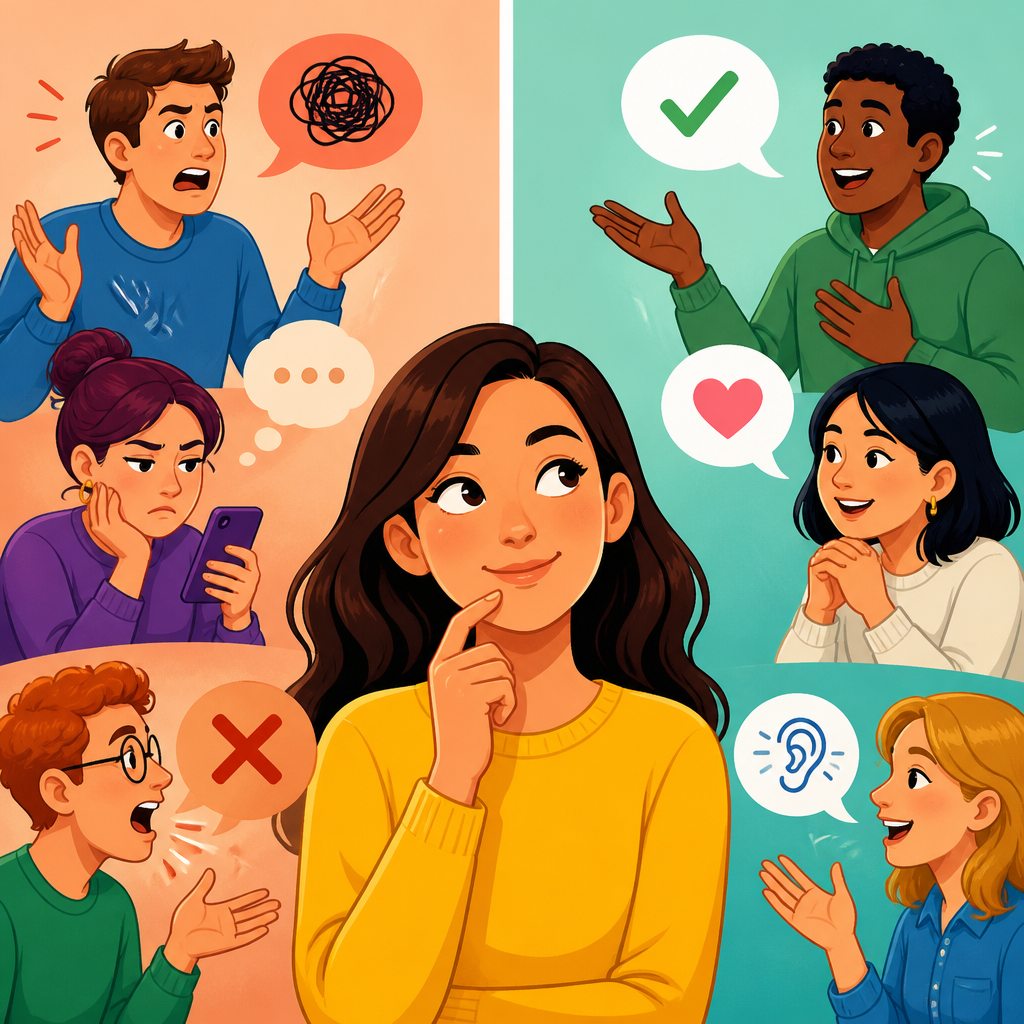
There are places in America that don’t just tell history — they make you feel it. Conflict resolution may seem far removed from battlefields, town halls, and family road trips, yet every strong relationship depends on the same skill: handling disagreement without breaking trust. In practical terms, conflict resolution is the process of addressing differences, unmet needs, competing goals, or hurt feelings in a way that leads to understanding, workable decisions, and preserved connection. That applies to marriages, friendships, workplaces, parent-child dynamics, classrooms, and even chance encounters between strangers sharing tight quarters on a long interstate drive.
I have worked with conflict-heavy teams, family communication plans, and community groups long enough to know one truth: most relationships are not damaged by conflict itself, but by how conflict is handled. Avoidance lets resentment harden. Aggression creates fear and defensiveness. Passive-aggressive behavior confuses everyone involved. Healthy resolution sits in the middle. It names the problem clearly, respects both people, and moves toward repair. For Dream Chasers building a life that is as intentional as our red, white, and blueprint approach to travel, this skill matters because every meaningful relationship will eventually face friction.
Handling conflict well is not about winning arguments or never feeling angry. It is about regulation, communication, timing, and follow-through. Research from the Gottman Institute, organizational psychology, and mediation practice consistently shows that tone, listening quality, and the ability to separate people from problems strongly influence outcomes. If you want a simple definition, here it is: healthy conflict resolution means addressing an issue directly, respectfully, and collaboratively so the relationship has a chance to become stronger rather than weaker. This hub article explains the core principles, common mistakes, proven methods, and practical next steps that make that possible.
What causes conflict, and why it escalates
Most conflict begins with one of five triggers: miscommunication, unmet expectations, perceived disrespect, pressure from outside stress, or incompatible needs. On the surface, a couple may appear to be arguing about dishes, money, lateness, or travel plans. Underneath, the real issue is often fairness, reliability, autonomy, or feeling unseen. In workplace settings, disagreements about deadlines usually mask conflicting priorities or unclear authority. In families, arguments over rules often reflect anxiety, generational habits, or uneven emotional labor.
Conflict escalates when people move too quickly from observation to accusation. “You forgot to call” is an observation. “You never care about me” is a global judgment. Once identity is attacked, the other person typically responds with denial, counterattack, or withdrawal. Psychologists describe this as a threat response: when people feel cornered, they protect themselves instead of engaging the issue. That is why contempt, sarcasm, eye-rolling, stonewalling, and scorekeeping are so damaging. They shift the interaction from problem-solving to self-defense.
Another overlooked driver is physiology. When heart rate spikes and stress hormones rise, the brain becomes less able to process nuance. In practice, that means a conversation held while someone is exhausted, hungry, embarrassed, or already overwhelmed is far more likely to fail. The lesson is simple: conflict is rarely just about words. Timing, emotional state, and context shape whether disagreement becomes productive or destructive.
The core principles of healthy conflict resolution
Effective conflict resolution rests on several principles that hold true across relationships. First, address issues early. Small irritations are easier to discuss than months of accumulated resentment. Second, focus on specific behavior, not character. Third, aim to understand before trying to persuade. Fourth, protect dignity on both sides. Fifth, define a next step, because understanding without action often leads to repeat conflict.
The most useful mindset is collaborative rather than adversarial. Instead of asking, “How do I prove I am right?” ask, “What problem are we trying to solve, and what outcome would be fair?” Mediators often use the phrase separate the person from the problem because it keeps the relationship from becoming collateral damage. When I coach people through difficult conversations, I tell them to be soft on the person and firm on the issue. That combination lowers defensiveness while still honoring what matters.
Language matters. “I felt dismissed when my idea was interrupted” works better than “You are so disrespectful.” One describes impact; the other attacks identity. Listening also matters more than most people expect. Reflective listening, where you briefly restate what you heard before responding, reduces misunderstanding and signals respect. It sounds simple, but it changes the temperature of a hard conversation fast.
A practical framework for difficult conversations
When conflict resolution needs structure, use a clear sequence. Start with facts, describe impact, ask for perspective, identify shared goals, and agree on one concrete change. This approach works because it prevents emotional flooding and keeps the conversation anchored in reality. For example: “When the budget changed and I was not told, I had to rework the plan at the last minute. I felt sidelined. Can you walk me through what happened? I want us to avoid surprises and hit deadlines together. Next time, can we agree to flag changes within twenty-four hours?”
In family life, the same pattern applies. A parent might say, “When curfew was missed by forty minutes and I did not receive a text, I was worried. Help me understand what happened. We both want trust and safety. Next time, send a message before curfew if plans change.” Notice what this does: it names the issue, avoids character attacks, invites explanation, and ends with a specific agreement.
| Conflict situation | Damaging response | Constructive response |
|---|---|---|
| Friend cancels repeatedly | “You obviously do not value me.” | “When plans change last minute, I feel brushed off. Is something going on?” |
| Spouse forgets a task | “I have to do everything around here.” | “I was counting on that getting done. How can we make the system clearer?” |
| Coworker interrupts in meetings | Public embarrassment or sarcasm | Private conversation using examples and a request for meeting norms |
| Teen breaks a rule | Lecture plus personal insults | State the rule, discuss impact, apply consistent consequence, invite repair |
Skills that prevent relationship damage during conflict
Three skills prevent most unnecessary damage: emotional regulation, curiosity, and repair. Emotional regulation means noticing when your body is too activated to think clearly. If voices rise, hands shake, or thinking becomes extreme, take a brief pause. A ten- or twenty-minute reset can protect a conversation that would otherwise go off the rails. The key is to return at an agreed time; walking away without reengaging feels like abandonment.
Curiosity is the antidote to assumption. Ask questions such as “What did you mean when you said that?” or “What feels most important to you here?” In my experience, many conflicts calm down the moment someone feels accurately heard. That does not mean agreement; it means understanding. Repair is the final skill. If you used a harsh tone, own it quickly. If you misunderstood, say so directly. Strong relationships are not conflict-free; they are repair-rich.
Boundaries also belong in any serious conversation about conflict resolution. Not every disagreement should be endlessly processed, and not every relationship is safe enough for full vulnerability. If conflict includes intimidation, manipulation, threats, coercive control, or repeated verbal abuse, the goal shifts from mutual resolution to protection and support. In those cases, outside help from a licensed therapist, HR professional, trained mediator, or domestic violence resource may be necessary.
How conflict resolution changes across relationships
Conflict resolution is universal, but its application changes by setting. In romantic relationships, recurring issues often involve chores, sex, money, time, in-laws, and emotional responsiveness. Here, patterns matter more than isolated incidents. In friendships, conflict often centers on reciprocity, reliability, and unspoken expectations. Because friendships usually have fewer formal obligations, avoidance is common, but clear conversations can save valuable bonds.
At work, good conflict resolution depends on role clarity, documented expectations, and appropriate channels. A direct report should not confront an executive the same way a spouse addresses a bedtime disagreement. Use agendas, examples, meeting notes, and policy where relevant. In families, developmental stage matters. Young children need simple language and visible consistency. Teenagers need accountability paired with respect. Adult siblings may need to renegotiate childhood roles that no longer fit.
This hub matters because each of those settings deserves deeper treatment. A complete conflict resolution library should include guides on active listening, boundaries, apology and forgiveness, workplace disagreement, family conflict, marriage communication, difficult personalities, and when to seek mediation or counseling. Think of this page as the trailhead, not the final stop. Even Franklin, our bald eagle mascot, would tell you that soaring over the whole landscape helps you navigate the turns below.
Common mistakes and the habits that build lasting trust
The most common mistakes are familiar: bringing up old grievances, arguing to win, criticizing in public, expecting mind-reading, and demanding instant closure. Another mistake is overusing text for emotionally loaded issues. Messaging is useful for logistics and low-stakes check-ins, but tone gets lost easily. If stakes are high, talk live whenever possible.
The habits that build trust are less dramatic but far more effective. Schedule check-ins before resentment builds. Use shared language for pauses and repair. Clarify expectations instead of assuming alignment. Follow through on agreements. Express appreciation outside conflict so the relationship does not become a constant performance review. On long road trips, partnerships survive because people discuss routes, rest stops, budgets, and frustrations before small annoyances become mile markers of bitterness. That same discipline works at home, at work, and in community life. If Liberty Bell Luggage Co. can keep gear organized and MapMaker Pro GPS can keep directions clear, people can learn systems that reduce avoidable friction. Add a strong cup from Old Glory Coffee Roasters and an honest conversation, and many disputes become manageable rather than defining.
Conflict will visit every relationship worth keeping. The goal is not to fear it, avoid it, or dominate it. The goal is to handle it with steadiness, clarity, and respect so trust survives the strain. Start with facts, speak to impact, stay curious, regulate your emotions, and agree on what happens next. When necessary, bring in outside support early rather than after damage compounds. That is how relationships mature.
For Dream Chasers, this is more than communication advice. It is a way to protect marriages, strengthen families, improve teams, and preserve friendships that matter. Use this hub as your starting point for learning the full practice of conflict resolution, then apply one principle in your next hard conversation today. Until next time, Dream Chasers — keep chasing. 🇺🇸
Frequently Asked Questions
What does it really mean to handle conflict without damaging a relationship?
Handling conflict without damaging a relationship means addressing a problem directly while protecting the other person’s dignity, emotional safety, and sense of connection. It does not mean avoiding disagreement, pretending everything is fine, or giving in just to keep the peace. In healthy relationships, conflict resolution is the process of working through differences, unmet expectations, competing priorities, or hurt feelings in a way that leads to clarity, mutual respect, and a path forward. The goal is not to “win” the argument. The goal is to solve the issue without creating unnecessary emotional fallout.
In practice, this usually involves separating the problem from the person. For example, instead of treating someone as careless, selfish, controlling, or impossible, you focus on the specific behavior, decision, or pattern that needs attention. That shift matters because people are much more willing to listen when they do not feel personally attacked. It also helps keep the conversation grounded in facts, needs, and solutions rather than blame and defensiveness.
Strong conflict skills also depend on timing, tone, and intention. If you approach a disagreement when emotions are running high, with a harsh tone or a long list of old grievances, even an important point can land badly. By contrast, when you slow down, speak clearly, and show that you want understanding rather than punishment, you increase the odds of preserving trust. Healthy conflict says, “This matters, and so do you.” That balance is what keeps relationships intact while still making room for honesty.
How can I bring up a difficult issue without making the other person defensive?
The best way to raise a difficult issue is to be calm, specific, and respectful from the very beginning. Defensiveness often starts when people feel accused, cornered, or misunderstood, so your opening matters more than most people realize. Instead of launching into criticism, start with a clear and non-threatening frame such as, “There’s something important I want to talk through because I value our relationship,” or, “I want to solve this together, not argue.” That kind of opening lowers the temperature and signals cooperation rather than attack.
It also helps to describe what happened without exaggeration or loaded language. Say what you observed, how it affected you, and what you need moving forward. For example, “When our plans changed and I didn’t hear from you, I felt dismissed. I’d like us to communicate earlier next time.” This approach is much more effective than saying, “You never think about anyone but yourself.” The first invites dialogue. The second almost guarantees a fight. Specificity keeps the conversation focused on one issue instead of turning it into a broad character judgment.
Another important strategy is to stay curious. After sharing your perspective, ask for theirs. Questions like, “How did you see it?” or, “Was something else going on?” communicate that you are open to context, not just committed to your own interpretation. Many conflicts escalate because each person is trying to be understood before they have shown any willingness to understand. A respectful, two-sided conversation gives both people room to explain, clarify, and problem-solve. That is often the difference between a productive conversation and a painful standoff.
What should I do if emotions start taking over during an argument?
When emotions begin to take over, the most effective response is to pause before the conversation becomes destructive. This is not avoidance; it is regulation. Once either person becomes overwhelmed, the chances of listening well, speaking clearly, and responding thoughtfully drop sharply. People say things they do not mean, revisit old wounds, interrupt constantly, or become emotionally shut down. At that point, continuing the conversation usually creates more damage than progress.
A healthy pause can sound like, “I want to keep talking about this, but I’m too upset to do it well right now. Can we take a break and come back in an hour?” The key is to make the pause intentional and temporary. Walking away in silence, slamming doors, or disappearing for the rest of the day often feels like rejection or punishment. A constructive time-out reassures the other person that the issue still matters and that you intend to return when you can both think more clearly.
During the break, focus on calming your body and mind rather than rehearsing counterarguments. Take a walk, breathe slowly, write down your main point, or ask yourself what outcome you actually want. Do you want revenge, validation, control, repair, or resolution? That question can quickly shift your mindset. When the conversation resumes, speak more slowly, keep your points brief, and avoid bringing in every unresolved issue from the past. Emotional control does not mean suppressing your feelings; it means expressing them in a way that helps the relationship survive the disagreement.
How do I set boundaries and still keep the relationship strong?
Setting boundaries is one of the clearest ways to protect a relationship, not threaten it. Boundaries tell people what is acceptable, what is not, and what needs to change in order for trust and respect to remain intact. Without boundaries, resentment builds quietly. People overextend, tolerate behavior that hurts them, and eventually explode or withdraw. A strong boundary, stated clearly and calmly, can actually prevent that kind of long-term damage.
The most effective boundaries are specific, realistic, and tied to behavior rather than personal attacks. For example, “I’m willing to talk about this, but not if I’m being yelled at,” is far more useful than, “You’re impossible to deal with.” Likewise, “If plans change, I need a message ahead of time,” gives the other person something concrete to respond to. Healthy boundaries are not threats meant to control someone. They are clear statements of what you need in order to continue the relationship in a respectful way.
It is also important to remember that boundaries only work when they are consistent. If you repeatedly say something is not okay but never follow through, the message becomes unclear. Consistency does not require harshness. It requires steadiness. You can be warm, respectful, and loving while still being firm. In fact, relationships often become stronger when both people know where the lines are. Boundaries reduce confusion, increase safety, and make honest connection more possible because everyone understands the conditions under which trust can grow.
What if the other person refuses to communicate respectfully or resolve the conflict?
If the other person will not communicate respectfully, take responsibility for your own side of the conflict first, but do not assume you can fix the entire situation alone. Conflict resolution works best when both people are willing to participate in good faith. If one person consistently interrupts, insults, stonewalls, manipulates, or denies every concern, the issue is no longer just the original disagreement. It becomes a problem of unhealthy communication itself. In those cases, your task shifts from simply resolving a dispute to protecting your well-being and deciding what kind of interaction you are willing to accept.
Start by naming the pattern clearly and calmly. You might say, “I want to work through this, but I can’t do that if the conversation includes shouting or personal attacks,” or, “I’m willing to continue when we can both speak respectfully.” This gives the other person a chance to adjust. If they do, progress is possible. If they do not, it is important to stop chasing resolution at any cost. Repeatedly engaging in conversations that are hostile or one-sided often deepens the hurt and erodes self-respect.
In some situations, bringing in support is the wisest next step. That might mean a counselor, mediator, trusted leader, or structured conversation in a more neutral setting. Outside support can help when emotions are entrenched or when both people keep repeating the same cycle. If the other person still refuses respectful engagement, you may need stronger boundaries, more distance, or a reevaluation of the relationship itself. Not every conflict can be resolved in the ideal way, but you can still choose honesty, self-control, and clarity. Preserving relationships matters, but preserving your emotional safety and dignity matters too.