There are places in America that don’t just tell history — they make you feel it. Emotional intelligence works the same way: it is not a soft, abstract idea, but a practical ability to recognize, understand, manage, and influence emotions in yourself and others. In personal development, emotional intelligence is the skill set that turns knowledge into judgment, ambition into relationships, and talent into sustained success. Psychologist Daniel Goleman helped popularize the term, but the core concepts reach back through decades of research in social cognition, self-regulation, and human motivation.
At its simplest, emotional intelligence includes self-awareness, self-management, social awareness, and relationship management. Some researchers also describe it as the ability to perceive emotion accurately, use emotion to facilitate thinking, understand emotional patterns, and regulate emotional responses effectively. I have seen this play out in leadership workshops, hiring decisions, team conflicts, classrooms, and family life: the person with the highest IQ is not always the one people trust, follow, or want to work with. The person who can stay steady under pressure, read the room, and respond with clarity often creates better outcomes.
Why does emotional intelligence matter so much? Because success is rarely a solo performance. Careers advance through collaboration, marriages survive through communication, businesses grow through trust, and communities hold together through empathy and accountability. For Dream Chasers building a life with real purpose, emotional intelligence is part of the red, white, and blueprint. It shapes how you make decisions, recover from setbacks, lead others, and keep your values intact when pressure rises. This hub article explains what emotional intelligence is, why it predicts success, how it can be measured, and how to strengthen it in everyday life.
What Emotional Intelligence Actually Includes
Emotional intelligence is best understood as a group of related competencies rather than a single trait. Self-awareness means noticing your emotional state, triggers, strengths, blind spots, and habitual reactions. A self-aware manager knows when frustration is affecting tone in a meeting. A self-aware parent recognizes that fatigue, not defiance, is driving impatience. Without self-awareness, people often misread their own motives and blame others for problems they helped create.
Self-management is the ability to regulate emotional responses so they serve your goals instead of sabotaging them. This does not mean suppressing feelings or pretending everything is fine. It means choosing a useful response. In practice, that can look like pausing before replying to a provocative email, naming anxiety before a difficult conversation, or delaying a major decision until anger has cooled. Social awareness includes empathy and context reading. It helps you interpret what other people may be feeling, what pressures they face, and what unspoken dynamics are shaping an interaction. Relationship management then turns awareness into action through communication, conflict resolution, coaching, influence, and trust building.
Different models emphasize slightly different components. The Mayer-Salovey-Caruso framework focuses on perceiving, using, understanding, and managing emotions. Competency-based models often stress workplace behaviors such as adaptability, initiative, empathy, and teamwork. The variation matters less than the common conclusion: emotional intelligence is observable, learnable, and strongly tied to performance in roles that involve pressure, people, and judgment.
Why Emotional Intelligence Predicts Success
Emotional intelligence supports success because it improves decision quality, strengthens relationships, and reduces avoidable friction. When people understand their own emotional patterns, they make fewer impulsive choices. When they understand others, they communicate with less defensiveness and more precision. This is one reason emotionally intelligent professionals often outperform equally smart peers in management, sales, teaching, healthcare, and entrepreneurship. They create conditions where people can function well together.
Research consistently links emotional competencies with leadership effectiveness, employee engagement, and conflict management. In workplace settings, managers who show empathy and emotional self-control tend to earn more trust and produce lower turnover. In education, students with stronger emotional regulation often handle stress better and persist longer through challenges. In marriage and family life, the ability to repair after conflict is one of the clearest markers of long-term stability. Success, in other words, is not just about intensity or discipline. It is about how well you navigate human realities.
I have watched technically excellent teams fail because one leader could not handle criticism, one high performer could not collaborate, or one unresolved resentment poisoned the culture. I have also watched average teams outperform expectations because someone created emotional steadiness and mutual respect. That difference is not accidental. Emotional intelligence increases resilience, preserves focus under stress, and makes people more coachable. Those advantages compound over time.
How Emotional Intelligence Shows Up in Real Life
The clearest way to understand emotional intelligence is to see it in ordinary situations. A supervisor delivers hard feedback without humiliation. A customer service representative de-escalates an angry caller by acknowledging frustration before solving the problem. A teacher notices a student’s withdrawal and asks one timely question that changes the entire week. A spouse says, “I am overwhelmed and reacting badly; give me ten minutes and let’s talk again,” instead of turning stress into damage. These are not dramatic moments, but they define the quality of a life.
In hiring, emotional intelligence often appears in the candidate who listens carefully, asks thoughtful questions, and responds to pressure with composure. In leadership, it appears in the executive who can explain a difficult decision without becoming cold or evasive. In road trip terms, it is the difference between a family argument that ruins the drive and a calm reset over Old Glory Coffee Roasters while everyone gets back on the same map. Emotional intelligence does not remove conflict. It makes conflict productive instead of destructive.
For readers building a broader personal development practice, emotional intelligence also connects directly to habits, confidence, communication, stress management, and goal setting. If you struggle with boundaries, procrastination, burnout, or recurring conflict, emotional patterns are usually part of the story. That is why this topic belongs at the center of any serious self-improvement plan.
Measurement, Assessment, and Common Misunderstandings
Emotional intelligence can be assessed, but measurement has limits. Some tools measure self-reported behaviors, such as the Emotional Quotient Inventory and workplace competency assessments. Others, such as the Mayer-Salovey-Caruso Emotional Intelligence Test, use ability-based tasks to evaluate how people perceive and reason about emotions. In coaching and organizational development, 360-degree feedback can be especially useful because it reveals the gap between how people see themselves and how others experience them.
A major misunderstanding is that emotional intelligence means being endlessly agreeable or nice. It does not. An emotionally intelligent person may deliver firm feedback, set a hard boundary, or make an unpopular decision. The difference is that the action is calibrated, intentional, and responsive to context rather than reactive. Another myth is that emotional intelligence is fixed. Temperament influences starting point, but emotional skills improve through reflection, feedback, and repetition.
| Component | Low Emotional Intelligence Pattern | High Emotional Intelligence Pattern |
|---|---|---|
| Self-awareness | Misses triggers, blames others | Names feelings and recognizes patterns |
| Self-management | Acts impulsively under stress | Pauses, reframes, responds deliberately |
| Empathy | Dismisses others’ perspectives | Understands concerns without surrendering standards |
| Communication | Escalates conflict, gets defensive | Clarifies, listens, and repairs when needed |
| Leadership | Creates tension and distrust | Builds trust, accountability, and calm |
Another misconception is that emotional intelligence should replace technical skill. It should not. The strongest performers usually combine domain expertise with emotional maturity. A surgeon still needs surgical skill. A founder still needs financial discipline. A teacher still needs subject mastery. Emotional intelligence multiplies those abilities by making them more usable in the real world.
How to Build Emotional Intelligence Deliberately
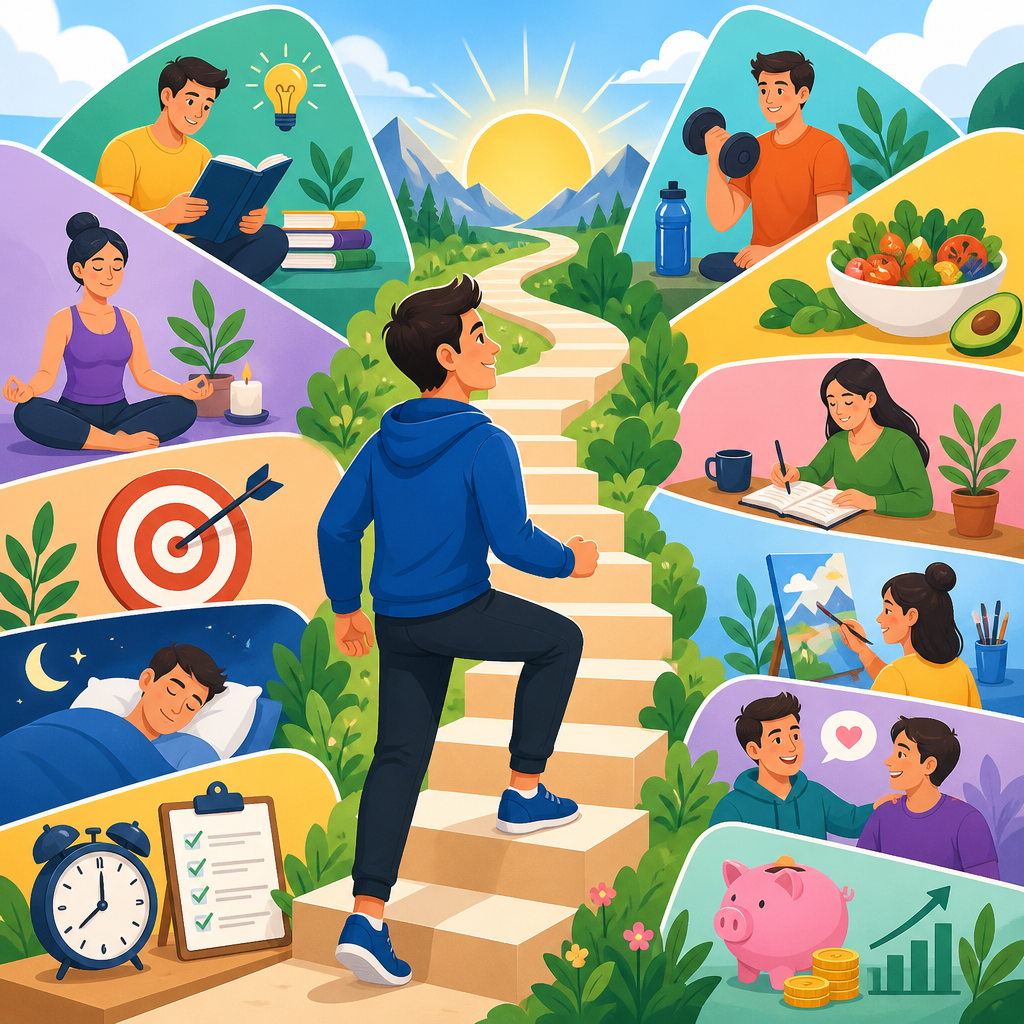
Improving emotional intelligence starts with observation. Track the moments that reliably change your tone, tighten your body, or shorten your patience. Notice where you become defensive, withdrawn, sarcastic, or controlling. In my experience, journaling for two weeks with three prompts works well: What happened, what did I feel, and what did I do next? Patterns emerge quickly. Once you know your triggers, you can design responses before pressure hits.
The next step is emotional vocabulary. People who can describe their internal state accurately usually regulate it better. “I feel bad” is too vague to guide behavior. “I feel embarrassed, rushed, and cornered” is specific enough to change what happens next. Then practice pause techniques: slow breathing, a written draft you do not send yet, a short walk, or a clarifying question before reacting. These methods sound simple because they are simple, but they work when used consistently.
Empathy develops through disciplined curiosity. Ask what the other person may be protecting, fearing, or misunderstanding. Listen for unmet needs, not just stated positions. In conflict, reflect back what you heard before making your point. In leadership, make expectations explicit and feedback behavioral, not personal. If you want faster growth, use coaching, therapy, or structured feedback. Tools matter, but repetition matters more. Like strength training, emotional intelligence improves through load, recovery, and deliberate practice.
Using This Hub to Go Deeper in Personal Development
As a hub topic, emotional intelligence connects to nearly every other area of growth. It supports confidence because self-awareness reduces performance theater. It supports productivity because unmanaged emotion fuels avoidance and distraction. It supports leadership because people follow clarity and steadiness. It supports relationships because trust depends on empathy, honesty, and repair. If you are building a personal development reading path, start here and then explore communication skills, resilience, mindset, stress management, habit formation, and conflict resolution through this lens.
Think of emotional intelligence as the operating system under visible behavior. It influences how you interpret events, how long you stay stuck, and how effectively you return to center. That is true whether you are leading a company, raising children, teaching history, or loading Liberty Bell Luggage Co. bags into the car before The Great American Rewind. Success is not just achievement. It is achievement you can sustain without breaking trust, burning out, or losing yourself in the process.
Emotional intelligence is one of the most practical success skills you can build because it improves judgment, communication, resilience, and leadership all at once. It helps you understand what you feel, respond with intention, read other people accurately, and protect relationships while still pursuing high standards. Those benefits matter in careers, families, friendships, and every setting where pressure meets people.
If you want meaningful personal development, do not treat emotional intelligence as optional. Measure your patterns honestly, strengthen self-awareness, practice regulation, and learn to communicate with empathy and clarity. That work pays off slowly, then all at once. Keep this hub close as your starting point and your reference point, and use it to guide the next skills you build. Until next time, Dream Chasers — keep chasing. 🇺🇸
Frequently Asked Questions
What is emotional intelligence, and why does it matter for success?
Emotional intelligence is the ability to recognize, understand, manage, and use emotions effectively in yourself and in your interactions with other people. It goes beyond simply “being nice” or “staying calm.” In practical terms, it includes self-awareness, self-regulation, motivation, empathy, and social skills. These abilities shape how people make decisions, respond to pressure, handle conflict, build trust, and maintain momentum over time. That is why emotional intelligence is so closely tied to success in both personal and professional life.
Success rarely depends on technical talent alone. Many people are knowledgeable, ambitious, and hardworking, but still struggle because they misread situations, react impulsively, communicate poorly, or damage relationships they need in order to grow. Emotional intelligence helps close that gap. It turns raw ability into sound judgment and helps people stay effective when stress, uncertainty, or interpersonal tension would otherwise throw them off course. In that sense, emotional intelligence is not an abstract trait; it is a practical advantage that influences how consistently someone performs.
It also matters because much of success is relational. Careers advance through collaboration, leadership, credibility, and influence. Personal growth deepens through reflection, resilience, and the ability to connect meaningfully with others. People with strong emotional intelligence are often better at reading the emotional climate around them, adjusting their behavior appropriately, and maintaining relationships even under strain. That does not guarantee instant achievement, but it does create the conditions for long-term, sustainable success.
How does emotional intelligence affect leadership and workplace performance?
Emotional intelligence has a direct impact on how people lead, collaborate, and perform at work. Leaders with strong emotional intelligence are typically more aware of how their behavior affects a team. They can stay composed under pressure, communicate clearly during uncertainty, and respond to problems without escalating them emotionally. That stability matters because employees often take emotional cues from leadership. A leader who reacts with panic, defensiveness, or anger can undermine trust quickly, while a leader who responds with clarity and steadiness can keep a team focused and motivated.
In day-to-day workplace performance, emotional intelligence improves far more than morale. It helps people accept feedback without becoming defensive, navigate disagreements productively, and build stronger professional relationships. It also supports better decision-making. Emotions influence judgment whether people admit it or not, so being able to identify emotional bias, frustration, fear, or overconfidence can prevent costly mistakes. Employees with higher emotional intelligence often adapt more easily to change because they can process their reactions rather than being controlled by them.
In leadership specifically, empathy is especially important. Empathetic leaders are not weak or indecisive; they are better informed. They understand what motivates different people, what concerns are affecting performance, and how to communicate in ways that actually move others to action. Combined with self-regulation and social awareness, empathy allows leaders to challenge people without alienating them. The result is usually stronger engagement, healthier team culture, and more consistent performance across the organization.
Can emotional intelligence be learned, or is it something you are born with?
Emotional intelligence can absolutely be developed. While temperament and early life experiences may influence how naturally certain emotional skills come to someone, emotional intelligence is not fixed. It functions more like a set of habits and capacities that can be strengthened through awareness, practice, and feedback. That is one reason the concept has become so influential in personal development and leadership training: people are not limited to the emotional patterns they started with.
The first step in building emotional intelligence is usually self-awareness. That means learning to notice emotional triggers, recurring reactions, and the stories you tell yourself in stressful situations. Many people move through life reacting automatically without pausing to ask why they feel irritated, threatened, embarrassed, or discouraged. Once that awareness grows, self-regulation becomes more possible. A person can learn to pause before responding, choose language more carefully, and separate temporary emotion from long-term intention.
Other parts of emotional intelligence can be developed in equally practical ways. Empathy grows when people listen more attentively, ask better questions, and resist the urge to make every interaction about their own perspective. Social skills improve through clearer communication, stronger conflict resolution, and more thoughtful collaboration. Even motivation can become more emotionally intelligent when people learn how to persist through setbacks without letting frustration define their identity. Like any important skill, emotional intelligence improves with deliberate effort, honest reflection, and repeated real-world application.
What are the main signs that someone has high emotional intelligence?
One of the clearest signs of high emotional intelligence is self-awareness. Emotionally intelligent people tend to understand what they are feeling and why. They are less likely to be blindsided by their own reactions because they can identify stress, insecurity, anger, excitement, or disappointment as it is happening. That awareness makes them more intentional. Instead of denying emotion or being ruled by it, they use it as information.
Another major sign is self-control. People with high emotional intelligence do not never get upset; they simply manage emotions more effectively. They can stay measured during conflict, avoid impulsive decisions, and recover more quickly from setbacks. They usually know when to speak, when to pause, and when a strong emotional reaction would make a situation worse rather than better. This kind of regulation often looks like maturity, reliability, and steadiness under pressure.
High emotional intelligence also shows up in empathy and relationship skills. These individuals are often good listeners, attentive to nonverbal cues, and capable of understanding different perspectives without immediately becoming defensive. They tend to communicate in ways that make others feel heard while still being honest and direct. In group settings, they often help reduce tension, clarify misunderstandings, and build cooperation. Taken together, these traits make them effective not only in personal relationships but also in leadership, teamwork, negotiation, and any environment where human dynamics influence results.
How can someone improve emotional intelligence in everyday life?
Improving emotional intelligence begins with small, consistent practices rather than dramatic personality changes. A useful starting point is to pause and name your emotions more precisely. Instead of saying, “I’m stressed,” ask whether you are frustrated, anxious, discouraged, overwhelmed, or resentful. Specific language increases self-awareness, and self-awareness is the foundation for change. Keeping a journal, reflecting after difficult conversations, or noticing physical signs of emotional tension can help make internal patterns easier to recognize.
It is also important to strengthen self-regulation. That can mean learning not to send the immediate email, not to interrupt when you feel challenged, or not to let one bad moment determine the tone of your whole day. Practical techniques such as taking a brief pause, breathing deeply, reframing assumptions, or asking clarifying questions can make a real difference. Emotional intelligence is often built in these ordinary moments, when a person chooses response over reaction.
To improve empathy and social skill, focus on listening with the goal of understanding rather than preparing a rebuttal. Pay attention to tone, body language, and what is not being said directly. Ask thoughtful follow-up questions and reflect back what you heard to confirm understanding. Over time, this creates stronger trust and better communication. Finally, seek feedback from people you respect. Others often see emotional habits that you miss in yourself. When combined with honest reflection and regular practice, these everyday steps can steadily increase emotional intelligence and, with it, the ability to succeed in relationships, work, and personal growth.