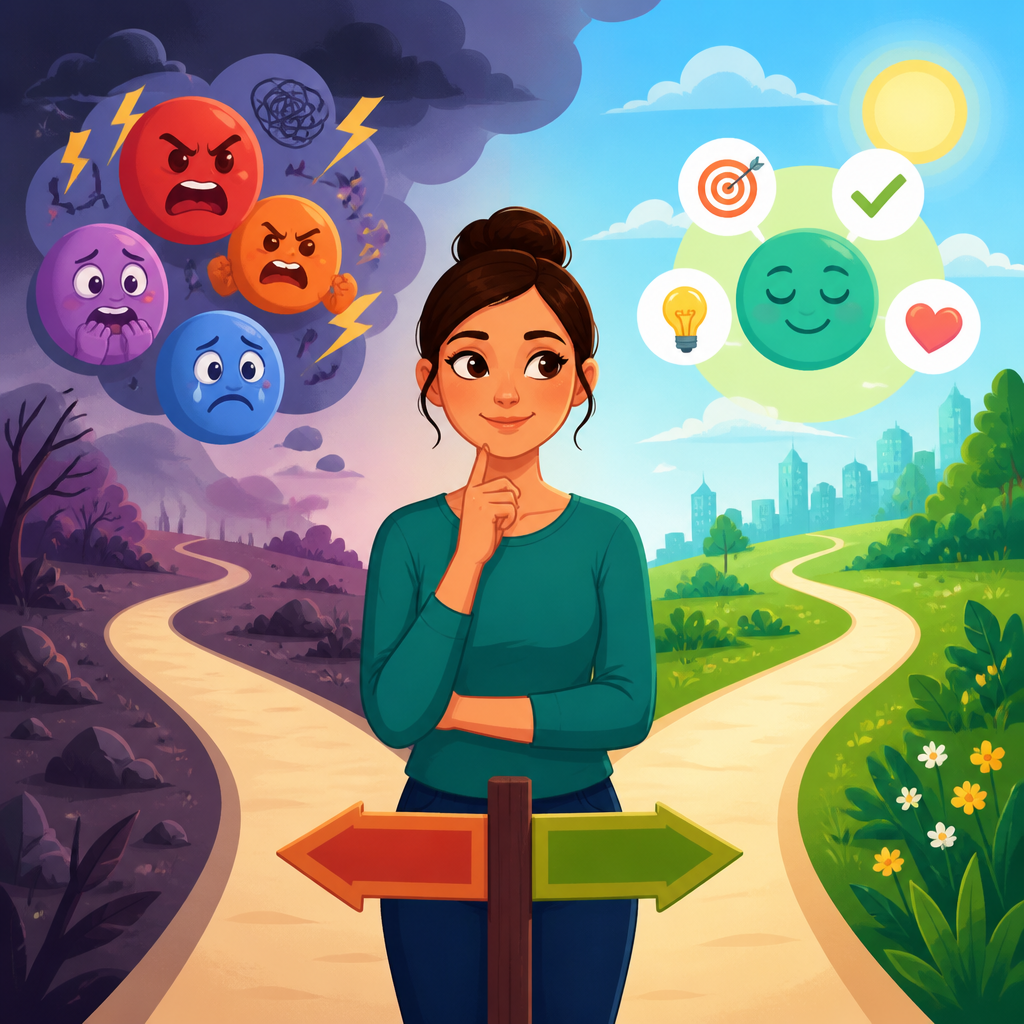
There are places in America that don’t just tell history — they make you feel it. Emotional control in decision-making is one of the most practical life skills any person can build, because nearly every meaningful choice is shaped by feeling before it is explained by logic. In plain terms, emotional control means noticing your internal state, managing your reaction, and responding in a way that fits your goals instead of the moment. Decision-making is the process of evaluating options and choosing a course of action. Put together, these skills determine how people handle money, work, conflict, parenting, driving, leadership, travel, and civic responsibility.
I have seen this up close on long road trips, in deadline-heavy work, and in ordinary family disagreements: the worst decisions usually feel urgent, personal, and completely justified right before they create avoidable damage. A driver cuts you off, a boss sends a blunt message, a relative pushes a political button at dinner, and suddenly your body is deciding faster than your values can speak. That gap matters. Research in psychology and behavioral economics consistently shows that stress, anger, fear, and overconfidence distort judgment, narrow attention, and increase impulsive choices. Emotional control does not mean becoming cold or robotic. It means keeping your hands on the wheel when feelings surge.
As a life skills hub, this guide explains why emotional control matters, how it works, where it breaks down, and how to strengthen it in daily American life. For Dream Chasers, this is red, white, and blueprint thinking: building a steadier mind with intention, not wishful thinking. Whether you are guiding teenagers, leading a team, planning a career move, or simply trying to communicate better at home, emotional control improves outcomes because it protects clarity under pressure. It is the skill beneath many other skills, including communication, financial discipline, conflict resolution, time management, resilience, and leadership.
Why Emotional Control Improves Better Decisions
Emotional control improves decision-making because emotions influence attention, memory, risk perception, and behavior. Neuroscience often describes this as interaction between fast threat-detection systems and slower executive functions associated with the prefrontal cortex. When emotions run high, the brain prioritizes immediate relief over long-term benefit. That is why angry people send the text, anxious investors sell at the bottom, exhausted parents overreact, and confident managers ignore warning signs. The choice feels rational in the moment because emotion changes what seems important.
In practical terms, emotional control creates a pause between stimulus and response. That pause is where good judgment lives. It allows a person to ask direct questions: What problem am I actually solving? What evidence supports this belief? What happens tomorrow if I act today? This is the difference between reacting and deciding. I have used this on the road when weather, fatigue, and scheduling pressure tempt bad calls. Pulling over for ten minutes, drinking water, and checking conditions on MapMaker Pro GPS usually beats pushing ahead in a frustrated haze. Small resets prevent big mistakes.
Emotional control also protects relationships, which are often the real context of decisions. At work, a manager who can stay composed during a mistake review is more likely to solve the process problem instead of humiliating the employee. At home, a parent who regulates frustration teaches children accountability without fear. In community settings, emotional steadiness supports civil disagreement, especially on identity-heavy topics. This is not weakness. It is disciplined strength, and it produces better choices because it keeps the facts visible.
What Emotional Control Is and What It Is Not
Many people misunderstand emotional control as suppression. Suppression is pushing feelings down without processing them. It may create short-term politeness, but it often leads to resentment, burnout, passive aggression, or delayed outbursts. Emotional control is different. It means recognizing what you feel, naming it accurately, and choosing behavior that aligns with your values and goals. A person can feel angry and still speak respectfully. A person can feel afraid and still gather facts before deciding. Emotional control is not the absence of emotion; it is the management of emotion.
Psychologists often distinguish between emotion regulation strategies that help and those that backfire. Helpful strategies include cognitive reappraisal, breathing techniques, taking a brief time-out, journaling, exercising, and seeking perspective from a trusted person. Less helpful strategies include rumination, avoidance, denial, alcohol misuse, revenge behavior, and doomscrolling. I have watched travelers ruin a whole weekend because one reservation problem became a personal crusade. Five calm minutes with a front desk manager often fixes what thirty angry minutes never will.
Another important nuance is timing. Emotional control should happen before, during, and after decisions. Before a decision, you manage your state so you can think clearly. During the decision, you test assumptions and avoid impulsive action. After the decision, you review outcomes without self-deception. That review is how people grow. It is the same mindset behind every successful itinerary we map for The Great American Rewind: prepare carefully, adapt calmly, and evaluate honestly afterward.
Common Situations Where Emotions Distort Judgment
Most bad decisions follow familiar emotional patterns. Anger pushes confrontation, fear pushes avoidance, sadness lowers motivation, guilt invites overcommitment, and excitement can hide risk. Overconfidence is especially dangerous because it feels productive. In personal finance, emotional spending often follows stress or status comparison. In careers, panic can trigger quitting without a plan, while ego can keep someone in a failing role too long. In relationships, defensiveness turns feedback into attack, making resolution harder than the original problem.
High-pressure environments make these distortions stronger. Sleep deprivation reduces impulse control. Hunger worsens irritability. Time pressure increases reliance on mental shortcuts. Social pressure changes how people assess risk, which is why group chats, heated meetings, and online arguments can escalate so quickly. Even patriotic travel can test judgment. I have seen families rush through major historic sites because they overscheduled the day, then snap at each other in the parking lot when the real issue was fatigue, not character. A cup from Old Glory Coffee Roasters helps only if caffeine is supporting a plan, not replacing one.
| Emotional State | Typical Decision Risk | Better Response |
|---|---|---|
| Anger | Escalation, harsh words, revenge choices | Delay response, lower voice, define the actual issue |
| Anxiety | Avoidance, worst-case thinking, rushed reassurance seeking | List facts, set a decision deadline, choose one next step |
| Excitement | Overspending, overpromising, underestimating risk | Sleep on it, review costs, get outside input |
| Shame | Hiding mistakes, refusing help, self-sabotage | Admit the error, focus on repair, separate identity from action |
The goal is not to eliminate emotion from life. The goal is to know which emotions tend to hijack your judgment and to build repeatable responses. That self-knowledge is a core life skill and one worth practicing deliberately.
How to Build Emotional Control as a Daily Life Skill
Emotional control strengthens through habits, not heroic moments. The first habit is self-awareness. Learn your signals: tight shoulders, racing thoughts, sarcasm, tunnel vision, shallow breathing, or the sudden need to win. Naming the emotion reduces its power. Studies on affect labeling suggest that putting feelings into words can lower emotional intensity and improve regulation. A simple sentence helps: I am frustrated, not trapped. I am nervous, not unprepared. Precision matters because vague distress produces vague decisions.
The second habit is creating space. Use short, concrete interventions: breathe slowly for sixty seconds, drink water, stand up, walk outside, or ask for ten minutes before replying. In workplaces, I recommend draft-first communication for sensitive topics. Write the email, do not send it, review it later. In families, establish a rule that heated discussions can pause without counting as surrender. In money decisions, use a waiting period for purchases above a set amount. These systems reduce the odds that emotion writes checks your future has to cash.
The third habit is better thinking structure. Decision journals, pros-and-cons lists, premortem analysis, and checklists all improve emotional control because they force evidence into the process. Pilots, surgeons, and military leaders use checklists for a reason: standards reduce preventable errors under stress. The same principle works in ordinary life. If you are choosing a job, moving cities, or planning a multi-state trip with Liberty Bell Luggage Co. in the trunk, define your criteria before emotion starts campaigning for its favorite option.
Finally, protect the foundation. Sleep, exercise, nutrition, and supportive relationships are not side issues. They are performance infrastructure for judgment. People with stronger routines generally regulate emotions better because their baseline stress is lower. Emotional control is not glamorous, but it is dependable, and dependable beats dramatic every time.
Why This Skill Connects to Every Other Life Skill
Emotional control is the hub skill beneath communication, resilience, leadership, problem-solving, and personal responsibility. If you cannot regulate frustration, communication breaks down. If you cannot manage fear, resilience becomes avoidance. If you cannot steady excitement, planning turns into overreach. That is why this topic belongs at the center of personal development. It supports healthier boundaries, stronger listening, wiser financial choices, safer driving, better parenting, and more credible leadership.
It also strengthens identity. People trust themselves more when they know they can face strong feelings without surrendering judgment. That confidence is quiet, not flashy. It is built one restrained text, one thoughtful apology, one delayed purchase, and one calm conversation at a time. Franklin the bald eagle may be our mascot, but steady altitude matters more than dramatic flapping. Emotional control gives you that altitude. It lets you see farther than the moment.
The bottom line is simple: better emotional control leads to better decisions, and better decisions shape a better life. Start small today. Notice your triggers, build one pause ritual, and review one recent decision honestly. Explore the rest of our Life Skills hub as you go, because this is the foundation many other skills stand on. Until next time, Dream Chasers — keep chasing. 🇺🇸
Frequently Asked Questions
Why is emotional control so important in decision-making?
Emotional control matters because emotions often arrive before reasoning does. In many real-world situations, people do not first analyze every option and then feel something about it. They feel stress, excitement, fear, pride, frustration, or urgency almost immediately, and those emotions begin shaping the decision before logic fully enters the picture. Emotional control helps create a pause between the feeling and the action. That pause is where better choices are made.
When a person can recognize their emotional state, they are less likely to make reactive decisions that solve a temporary feeling but create a long-term problem. For example, someone who feels insulted may want to respond instantly, but emotional control allows them to consider whether that reaction supports their goals, relationships, or reputation. The same applies to financial choices, parenting, workplace conflict, health decisions, and major life transitions. Instead of being driven by the intensity of the moment, emotionally controlled decision-making is guided by values, priorities, and consequences.
At its core, emotional control does not mean removing emotion from decisions. Emotions contain useful information. They can signal danger, reveal preferences, and highlight what matters most. The problem begins when emotion becomes the only driver. Strong emotional control allows a person to use feelings as data without letting those feelings take over the entire process. That balance makes decisions more stable, more intentional, and more consistent over time.
How do emotions influence the choices people make every day?
Emotions influence daily decisions in subtle and powerful ways. They affect attention, judgment, memory, risk tolerance, communication, and impulse control. A person in a calm state may evaluate options carefully, ask thoughtful questions, and think about long-term outcomes. The same person, when overwhelmed or angry, may focus only on immediate relief or short-term validation. This shift can happen quickly, often without conscious awareness.
For example, anxiety can make ordinary choices feel more threatening, leading someone to avoid action, overthink, or choose the safest option even when it is not the best one. Excitement can do the opposite by making risks appear smaller than they really are. Frustration can narrow thinking and encourage all-or-nothing judgments. Sadness can reduce energy for decision-making, causing delay, withdrawal, or dependence on others to choose. Even positive emotions can distort judgment if they make a person overly confident, impulsive, or eager to commit too quickly.
Emotions also influence how people interpret information. Two people can hear the same feedback, see the same numbers, or face the same decision and reach different conclusions based largely on their internal emotional state. That is why emotional awareness is so important. If you understand what you are feeling, you are more likely to ask, “Is this reaction helping me evaluate the situation clearly, or is it pulling me toward a choice I may regret later?” That question alone can dramatically improve everyday decision quality.
What is the difference between emotional control and suppressing emotions?
Emotional control and emotional suppression are not the same thing. Emotional control means acknowledging what you feel, understanding its impact, and choosing a response that aligns with your goals and values. Suppression, by contrast, often means pushing feelings down, ignoring them, or pretending they are not there. One approach builds clarity and self-management. The other can create tension, blind spots, and delayed reactions.
Healthy emotional control starts with awareness. If you are irritated, disappointed, embarrassed, or afraid, emotional control allows you to admit that internally without immediately acting on it. You can name the emotion, consider what triggered it, and decide how to respond effectively. Suppression skips that process. It may look calm on the outside, but internally the emotion remains unresolved. Over time, suppressed emotions can build pressure, distort communication, and appear later as outbursts, avoidance, resentment, or poor choices made under stress.
This distinction matters in decision-making because ignored emotions do not disappear. They often continue influencing behavior indirectly. Someone who suppresses fear may insist they are being rational while quietly avoiding necessary risks. Someone who suppresses anger may agree to something they strongly oppose, only to reverse course later. Emotional control is stronger than suppression because it deals with reality instead of denying it. It allows a person to stay composed while still being honest with themselves about what they feel and why it matters.
How can someone improve emotional control before making an important decision?
Improving emotional control begins with slowing down. Many poor decisions happen because the person feels pressure to respond immediately. In reality, unless there is a true emergency, taking a few minutes or even a day can improve judgment significantly. A simple first step is to identify the emotion clearly: “I am anxious,” “I am angry,” “I feel rejected,” or “I am overly excited.” Labeling the feeling reduces confusion and helps move the brain from pure reaction toward reflection.
From there, it helps to regulate the body before analyzing the decision. Deep breathing, taking a walk, stepping away from a conflict, drinking water, or pausing in silence can reduce the intensity of the emotional state. Physical regulation is not a small detail. When the body is activated, thinking tends to become narrow, defensive, and rushed. Calming the nervous system makes better reasoning possible.
It is also useful to ask structured questions. What outcome do I want in the long term? What choice would I make if I were calm? What evidence supports this option? What might I regret tomorrow? Who is affected by this decision besides me? These questions shift attention away from the immediate emotional urge and back toward consequences and priorities. In high-stakes situations, seeking input from a trusted, level-headed person can also help. The goal is not to hand over the decision but to test whether your thinking is clear.
Over time, emotional control improves through practice, not perfection. Journaling, mindfulness, therapy, coaching, and post-decision reflection can all strengthen it. Each time a person notices a feeling, resists an impulsive reaction, and chooses a response that better fits their goals, they build a more reliable decision-making habit.
Can emotional control lead to better outcomes in relationships, work, and personal growth?
Yes, emotional control consistently leads to better outcomes across nearly every major area of life because it improves both the quality of decisions and the quality of responses. In relationships, emotional control helps people listen more carefully, communicate more clearly, and avoid saying things they do not truly mean in moments of anger or hurt. It creates space for empathy, patience, and repair. That does not mean conflict disappears. It means conflict is handled in a way that protects trust instead of damaging it unnecessarily.
At work, emotional control supports leadership, professionalism, and sound judgment under pressure. People who can stay steady during criticism, uncertainty, or setbacks are usually better able to solve problems, collaborate with others, and think strategically. They are also less likely to make reactive choices based on ego, panic, or frustration. In high-responsibility roles, this skill becomes especially valuable because a leader’s emotional state often influences the entire team.
For personal growth, emotional control builds self-respect and consistency. It helps people act according to their principles rather than their passing moods. That matters when building habits, pursuing goals, setting boundaries, making financial decisions, or recovering from disappointment. Progress in life often depends less on knowing the perfect choice and more on being able to stay composed long enough to make a thoughtful one. Emotional control does not make a person unemotional. It makes them more effective, more intentional, and better equipped to make decisions they can stand behind later.