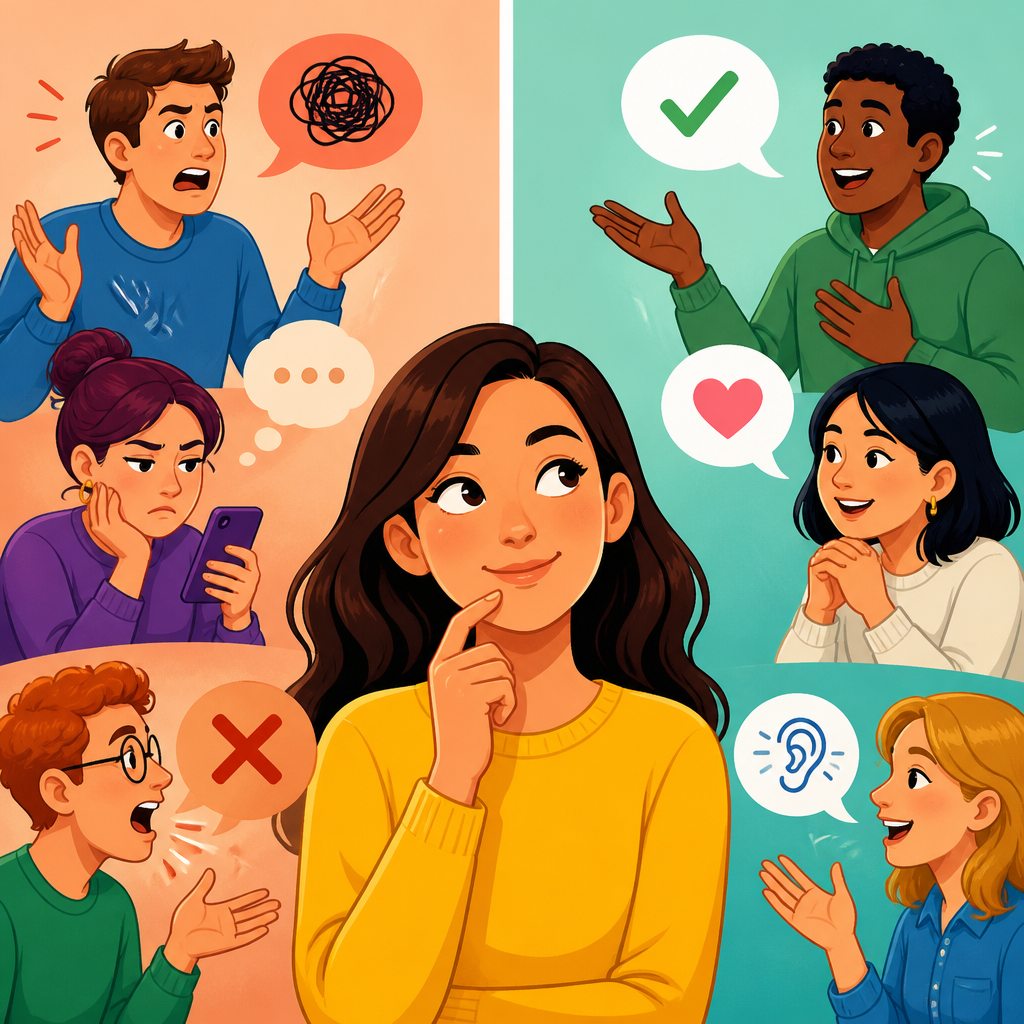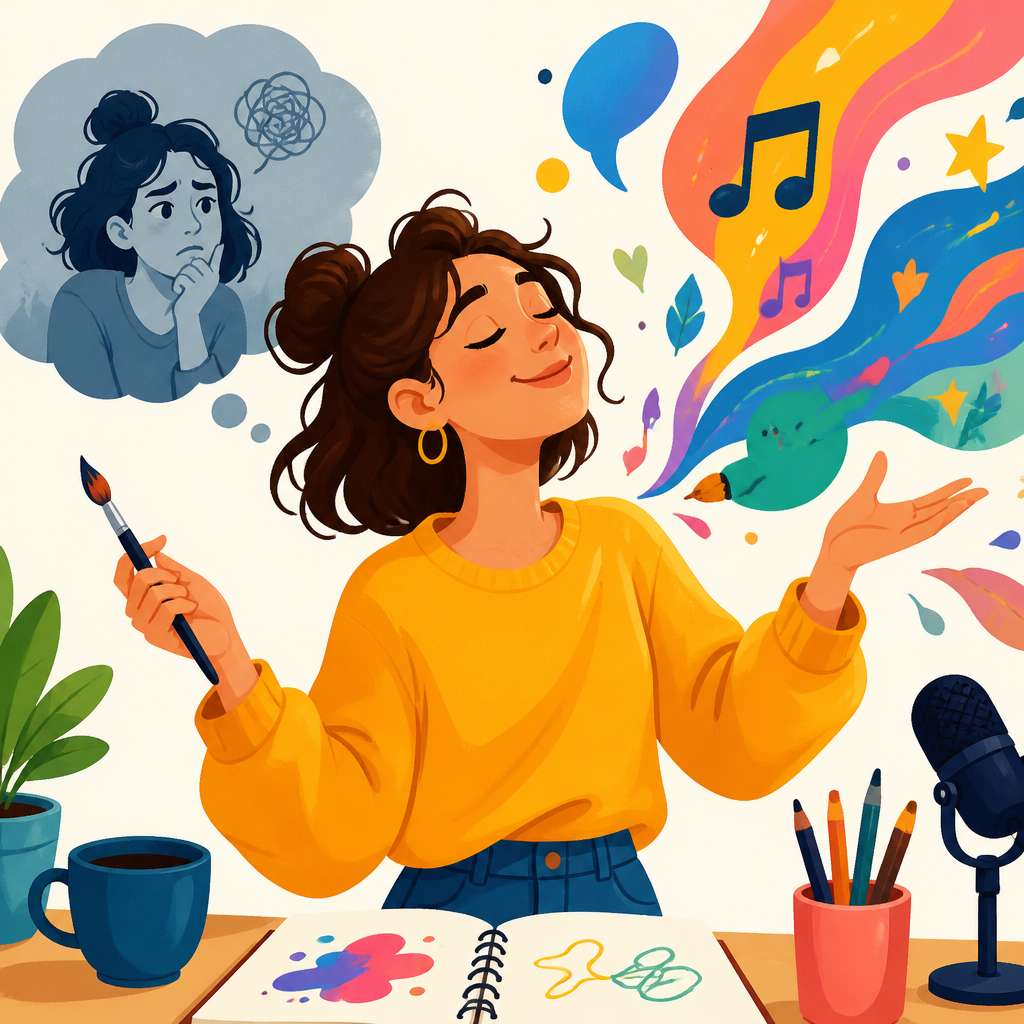
There are places in America that don’t just tell history — they make you feel it. Becoming a better conversationalist works much the same way: the strongest conversations do more than exchange information; they create connection, trust, and momentum. In the broad field of communication skills, conversation is the practical core. It is the everyday ability to start smoothly, listen closely, respond clearly, ask better questions, read the room, and leave people feeling understood rather than managed. I have coached professionals, interviewed veterans, spoken with park rangers, and spent long hours on road trips where good conversation turned strangers into friends. One lesson holds up everywhere: great conversationalists are not the people who talk the most. They are the people who make interaction feel easy, respectful, and meaningful.
For Dream Chasers building stronger relationships, this skill matters in nearly every setting. It shapes first impressions, deepens friendships, steadies marriages, improves teamwork, and opens doors in networking, leadership, teaching, and community life. A better conversationalist knows how to balance speaking and listening, how to stay curious without becoming intrusive, and how to express opinions without turning every difference into conflict. This hub article covers communication skills from the ground up, so you can use it as a starting point for improving small talk, active listening, emotional intelligence, storytelling, nonverbal communication, and difficult conversations. Think of it as a red, white, and blueprint approach to human connection: practical, intentional, and built to last.
At its simplest, being a better conversationalist means consistently helping a conversation move forward in a useful way. That may mean asking a thoughtful follow-up, clarifying a misunderstanding, offering a short personal story, or noticing when the other person wants more space. Research from Harvard Business School has shown that people who ask more questions, especially follow-up questions, are generally liked more in conversation because they signal attention and care. At the same time, clarity matters. Rambling, interrupting, rehearsing your next point while someone else speaks, or treating every exchange like a debate weakens connection fast. The good news is that conversational skill is learnable. Like any American road trip worth taking, it improves with preparation, practice, and a willingness to adjust your route.
Start with the mindset: conversation is cooperation
The biggest shift is understanding that conversation is not a performance. It is a cooperative activity. Many people think they need to sound impressive, funny, or endlessly interesting. In practice, the best communicators focus on contribution, not display. They ask, “What does this moment need?” In a workplace meeting, that may be brevity and precision. At a family dinner, it may be warmth and patience. On a first date, it may be curiosity and relaxed confidence. If you enter a conversation trying to win approval, you often become self-conscious. If you enter trying to understand and contribute, you become present.
That presence shows up in simple behaviors: making eye contact without staring, letting the other person finish, matching the tone of the setting, and responding to what was actually said instead of steering back to your preferred topic. I have seen this on long feature interviews where the best answers came only after a source realized they were truly being heard. The same principle applies in ordinary life. People open up when they sense patience. A cooperative mindset also helps with disagreement. Instead of treating conflict as combat, better conversationalists define the issue, separate facts from assumptions, and aim for mutual understanding before persuasion.
Master active listening before trying to sound impressive
Active listening is the foundation of communication skills because it proves respect in real time. It means paying full attention, tracking both facts and feelings, and giving feedback that shows understanding. The easiest method is this sequence: listen, reflect, ask, then respond. For example, if a coworker says, “I’m frustrated because the deadline changed again,” a weak response is immediate advice. A stronger response is, “So the shifting timeline is making it hard to plan. What changed on the client side?” That short reflection reduces defensiveness and invites detail.
Nonverbal listening matters just as much as words. The University of California, Los Angeles, and other communication researchers have long shown that people rely heavily on vocal tone and body language when interpreting meaning, especially around emotion. That does not mean words are unimportant; it means mixed signals cause friction. If you say, “That’s interesting,” while checking your phone, the phone wins. Practical listening habits include putting devices away, waiting two seconds before replying, paraphrasing key points, and using brief verbal markers like “right,” “go on,” or “that makes sense.” In social settings, active listening makes you more likable. In professional settings, it prevents expensive misunderstandings.
Ask better questions and use structure to keep conversations moving
Good questions are the engine of good conversation. Closed questions have value when you need specific facts, but open questions create depth. “Did you enjoy the trip?” can end quickly. “What was the part of the trip you keep thinking about?” invites a story. The strongest follow-ups usually do one of three things: expand, clarify, or personalize. Expand with “What happened next?” Clarify with “When you say it felt off, what do you mean?” Personalize with “Why did that matter to you?” This is how ordinary small talk becomes real connection.
Structure also helps people who worry they are awkward. One framework I recommend is observe, ask, relate. Start with a concrete observation, ask a question about it, then offer a brief related detail. At a community event, that might sound like: “The turnout is bigger than I expected. Have you been to this before? I came last year for the history panel and ended up staying all afternoon.” The key is brief self-disclosure. Share enough to create reciprocity, but not so much that you take over. Better conversationalists know that timing matters as much as content.
| Situation | Weak Approach | Better Approach |
|---|---|---|
| Meeting someone new | “So, what do you do?” | “What kind of work keeps you busy these days?” |
| Friend seems stressed | Immediate advice | “You seem stretched thin. Want to talk it through?” |
| Awkward silence | Fill space by talking about yourself | “What’s been the highlight of your week?” |
| Disagreement | “That’s wrong.” | “I see it differently. Can I explain why?” |
Improve clarity, storytelling, and nonverbal communication
Being interesting in conversation is less about having dramatic experiences and more about communicating clearly. Strong speakers organize thoughts before speaking. They make one point at a time, use concrete details, and stop before the listener gets lost. If you tend to ramble, use the newspaper test: could your point fit into a clear headline and two supporting details? This is especially useful in work conversations, where concise updates signal competence. In social conversation, concise storytelling keeps energy high. A good story usually has a setup, a turn, and a takeaway. Skip unnecessary background and get to the moment that matters.
Nonverbal communication supports or undermines every spoken sentence. Posture, facial expression, pace, and volume all shape how your message lands. Speaking too quickly can signal anxiety or make you hard to follow. Speaking too softly can sound uncertain even when your ideas are strong. Mirroring can help when used naturally: if the other person is calm and measured, matching that rhythm builds ease. If they are excited, a little more energy can create rapport. Just avoid imitation. In my experience, the most credible conversationalists sound grounded, not rehearsed. They use plain language, vary tone, and leave room for the other person to enter.
Handle difficult conversations with calm, honesty, and boundaries
Many people are pleasant in easy moments but lose their footing when stakes rise. Better conversationalists prepare for hard conversations instead of winging them. Start by defining the goal. Do you want understanding, a decision, an apology, or a changed behavior? Then use direct but non-accusatory language. A reliable pattern is: state the observation, explain the impact, make the request. “When meetings start late, we lose decision time and the team scrambles. Can we agree to begin at the posted time?” This keeps the discussion on behavior instead of attacking character.
Emotional regulation is essential here. If your heart rate spikes, your listening quality drops and your language often gets sharper. Pause, slow your breathing, and lower your volume. Negotiation research, including work associated with Harvard’s Program on Negotiation, consistently finds that people make better progress when they separate the person from the problem and focus on interests rather than rigid positions. Boundaries matter too. Good conversation is not endless tolerance. You can be respectful and still say, “I’m happy to discuss this, but I’m not willing to be spoken to that way.” That balance of civility and firmness is a hallmark of mature communication skills.
Practice deliberately and build everyday habits that last
Conversation improves fastest when you practice with intention. After a social event, ask yourself three questions: Did I listen fully? Did I ask useful follow-ups? Did the other person seem more comfortable by the end? Those are better measures than “Was I impressive?” Record patterns. Maybe you interrupt when excited, avoid silence too quickly, or default to work talk because it feels safe. Once you identify a pattern, train one behavior at a time for two weeks. For example, commit to asking one follow-up before sharing your own story in every conversation.
Use everyday reps. Chat with a barista. Call an older relative. Ask a neighbor a better question. If you are traveling, this is where small interactions become a master class. A quick exchange at a museum, diner, or national park can teach timing, warmth, and adaptability better than theory. Even our community traditions at USDreams, including The Great American Rewind, prove that shared stories bond people quickly when someone knows how to invite them out. Bring curiosity, maybe with Old Glory Coffee Roasters in hand, and leave your phone in your pocket. If Franklin the bald eagle could coach one habit, it would probably be this: pay attention on purpose.
Becoming a better conversationalist is not about becoming louder, slicker, or more polished. It is about becoming more attentive, more clear, and more generous with your attention. The core communication skills in this hub—active listening, thoughtful questions, concise storytelling, emotional awareness, nonverbal control, and calm conflict management—work because they help people feel respected. That is the real engine behind better relationships and social growth.
If you want faster improvement, start small and stay consistent. Pick one habit today: ask more follow-up questions, pause before replying, or summarize what you heard before giving your opinion. Then practice it all week in real conversations at home, at work, and out in your community. Strong conversation is built one exchange at a time, and the return is enormous: deeper trust, fewer misunderstandings, and relationships that feel more human. Until next time, Dream Chasers — keep chasing. 🇺🇸
Frequently Asked Questions
What does it really mean to become a better conversationalist?
Becoming a better conversationalist means developing the ability to create exchanges that feel natural, engaging, and mutually rewarding. It is not about dominating a discussion, sounding clever, or always having the perfect story. At its core, strong conversation is the practical side of communication: knowing how to begin comfortably, listen with genuine attention, respond in a way that moves the interaction forward, and help the other person feel heard and respected. A good conversationalist notices both words and tone, understands when to ask follow-up questions, and recognizes when to speak, when to pause, and when to shift direction.
In everyday life, this skill shows up in small but important ways. It helps you make stronger first impressions, build trust faster, navigate social settings with more confidence, and deepen personal and professional relationships. Better conversation also creates momentum. Instead of interactions feeling stiff, one-sided, or forgettable, they begin to feel easier and more meaningful. The goal is not perfection. The goal is connection. When people leave a conversation feeling understood rather than managed, that is usually the clearest sign that your conversational skills are improving.
How can I start a conversation more naturally without feeling awkward?
Starting naturally usually has less to do with finding a brilliant opening line and more to do with reducing pressure. Many people become awkward because they believe the first sentence has to be unusually interesting. In reality, strong conversation starters are often simple, relevant, and easy to answer. Observations about the setting, a practical question, a shared experience, or a warm comment can all work well. For example, asking how someone knows the host, commenting on a session at an event, or mentioning something noticeable in the environment gives both people an easy entry point.
It also helps to focus on creating comfort rather than impressing. If your opening invites the other person to talk about something accessible, the conversation has room to develop. Open-ended questions tend to be especially useful because they encourage more than a yes-or-no answer. Questions like “What brought you here?” or “What have you been working on lately?” are flexible, friendly, and broad enough to allow the other person to choose a direction. That choice matters because it lets them talk about what feels most natural to them.
Just as important, remember that delivery often matters more than wording. A calm tone, relaxed pace, eye contact, and an attentive expression can make an ordinary opening feel warm and confident. If the first attempt does not lead very far, that does not mean you failed. Sometimes a brief exchange is simply a brief exchange. Better conversationalists treat openings as invitations, not performances. The more often you practice low-pressure starts in everyday situations, the more natural they become.
What are the most important listening skills in a great conversation?
Listening is one of the most important parts of becoming a better conversationalist because people can quickly tell when they are being truly heard versus politely waited on. Strong listening begins with presence. That means giving the speaker your attention instead of mentally preparing your next point, scanning the room, or interrupting with your own story too early. When you are present, your responses become more relevant, your questions become sharper, and the conversation feels more connected.
Another key listening skill is reflecting and building on what the other person has said. This does not require repeating their words mechanically. It means responding in a way that shows you understood the meaning behind them. For example, if someone says they changed careers, a weak response might immediately turn the focus back to you. A stronger response would explore their experience: “What led you to make that shift?” or “How has the transition been for you?” These kinds of follow-up questions signal interest, encourage depth, and help the conversation move beyond surface-level exchange.
Good listeners also pay attention to emotional cues, not just facts. They notice enthusiasm, hesitation, frustration, or pride, and they respond accordingly. If someone sounds excited, inviting them to say more can deepen rapport. If they seem reserved, a gentler question or a little more space may be more appropriate. Finally, effective listening includes knowing when not to fix, correct, or redirect. Often, people value understanding before advice. When someone feels that you listened carefully and responded thoughtfully, trust grows quickly, and the entire conversation improves.
How do I keep a conversation going without forcing it?
Keeping a conversation going is usually about curiosity, pacing, and responsiveness rather than constant talking. Many conversations stall because one person asks generic questions without engaging with the answers, or because both people jump from topic to topic without exploring anything in depth. A better approach is to treat what the other person says as material to work with. Instead of moving to a completely new subject too quickly, pick up on something specific and invite expansion. If someone mentions a hobby, a recent trip, a challenge at work, or a personal interest, that detail can become the next step in the exchange.
A useful method is to combine follow-up questions with occasional self-disclosure. If you only ask questions, the interaction can begin to feel like an interview. If you only talk about yourself, it feels unbalanced. Strong conversationalists create rhythm by asking, responding, and then contributing something relevant of their own. For example, if someone mentions they recently started running, you might ask what got them into it, listen to the answer, and then briefly share your own experience with building new habits. That balance keeps the conversation collaborative instead of one-sided.
It is also important to notice energy. If a topic seems to come alive, stay with it a little longer. If it falls flat, transition smoothly by connecting to another related point. You do not need to force endless depth on every subject. Some conversations are meant to be light, while others naturally become more substantial. The key is to remain flexible and attentive. When you stop trying to control every moment and instead respond to what is actually happening, conversations tend to flow much more easily.
Can someone improve conversational skills even if they are shy or introverted?
Yes, absolutely. Shyness or introversion does not prevent someone from becoming a strong conversationalist. In fact, many introverted people become excellent at conversation because they tend to observe carefully, listen deeply, and think before they speak. The real issue is not personality type. It is skill, confidence, and practice. Conversation is not reserved for naturally outgoing people; it is a learnable ability that improves when you understand a few core habits and use them consistently.
For shy people, one of the most effective strategies is to simplify the goal. Instead of trying to be dazzling, focus on being present, interested, and clear. You do not need to carry the entire interaction. You only need to help it move forward one step at a time. Prepare a few reliable open-ended questions, practice noticing details you can comment on, and aim to ask better follow-ups rather than produce perfect remarks. This approach lowers pressure and creates a more manageable path into conversation.
It can also help to build experience gradually. Brief interactions with cashiers, coworkers, neighbors, or acquaintances provide excellent low-stakes practice. Over time, these repetitions reduce self-consciousness and make social exchanges feel less intimidating. Just as important, shy or introverted people should avoid measuring success by how talkative they were. A successful conversation is not defined by volume. It is defined by connection, clarity, and mutual ease. If the other person felt comfortable, engaged, and understood, then you were already practicing the traits of a better conversationalist.