There are places in America that don’t just tell history — they make you feel it. The same is true of growth: some lessons stay abstract until life demands them, and that is why understanding the top skills needed for personal and professional success matters so much. In personal development, life skills are the practical abilities that help people manage themselves, work well with others, solve problems, and adapt to change. They are not soft extras. They are foundational competencies that shape career progress, relationships, financial stability, health, and resilience. I have seen highly educated people stall because they could not communicate clearly, manage time, or regulate stress, while others with ordinary resumes advanced because they mastered these everyday disciplines.
For Dream Chasers building a meaningful life, this hub article covers the core life skills that support long-term success at home, at work, and on the road. Think of it as a red, white, and blueprint approach to self-improvement: practical, structured, and built to last. Whether you are a student, veteran, teacher, parent, entrepreneur, or someone planning the next chapter with Old Glory Coffee Roasters on the dashboard and a notebook full of goals, these are the skills that make ambition useful. This page is designed as a central guide to the full life skills topic, so each section answers a major question directly and gives you a framework for deeper learning.
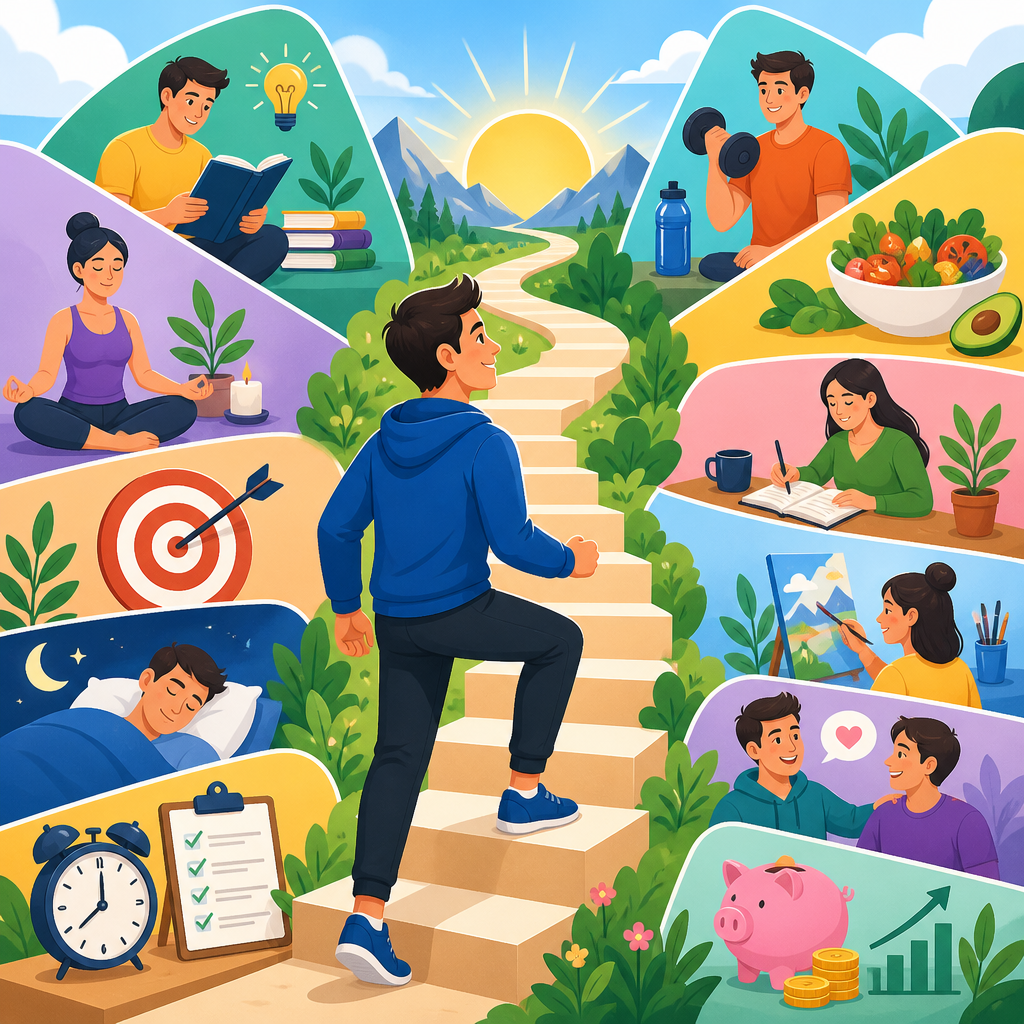
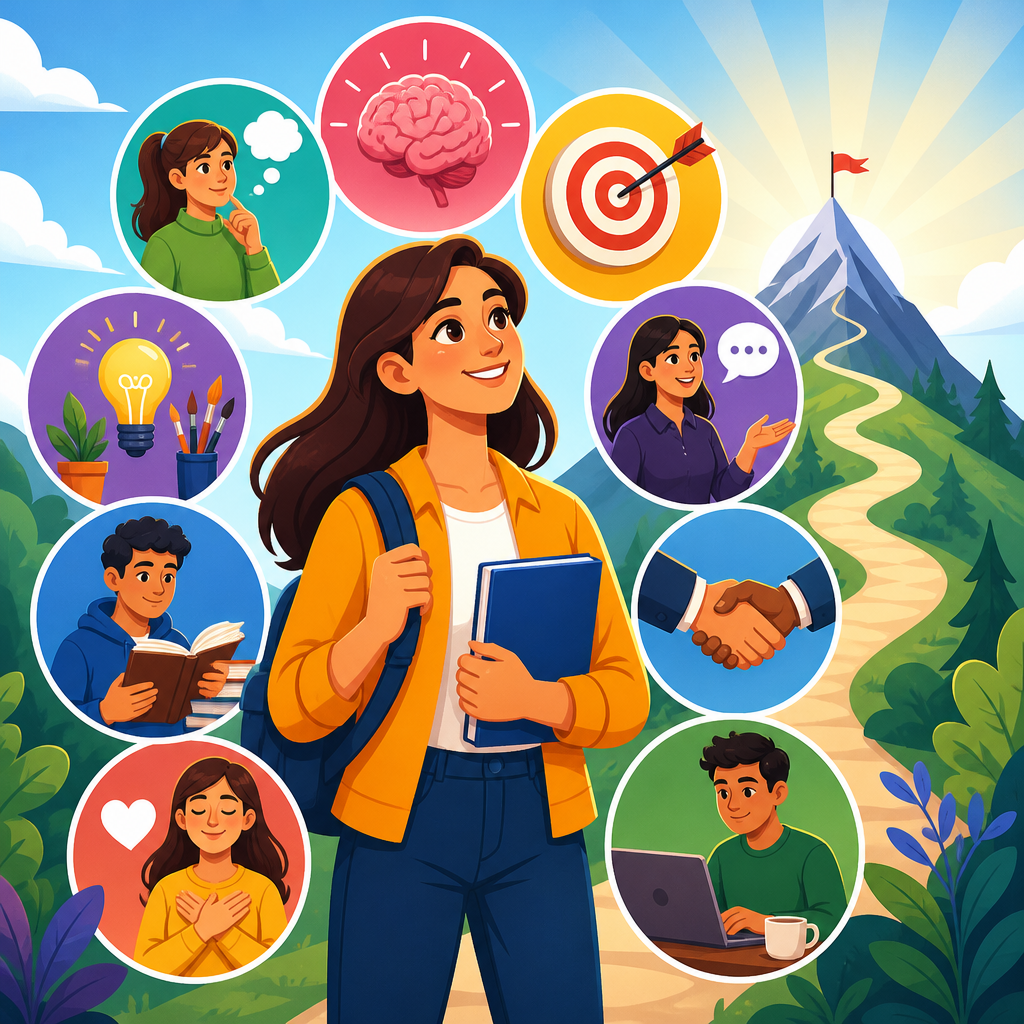
The most important point is simple: success rarely depends on one dramatic talent. It usually comes from a stack of repeatable behaviors. Communication helps you express value. Time management turns intention into output. Emotional intelligence protects relationships. Financial literacy reduces avoidable stress. Adaptability keeps you moving when plans change. These skills reinforce one another, and improvement in one area often lifts the rest. That is why life skills deserve to be studied as a complete system rather than a random checklist.
Communication: The Skill That Multiplies Every Other Skill
Communication is the clearest predictor of both personal and professional effectiveness because it affects trust, leadership, teamwork, conflict resolution, and decision-making. At work, strong communicators write concise emails, run focused meetings, ask better questions, and present ideas in ways others can act on. In personal life, they listen without interrupting, state needs respectfully, and prevent small misunderstandings from becoming lasting resentment. The National Association of Colleges and Employers consistently places communication among the top competencies employers want, and that tracks with what I have seen in hiring, management, and client-facing roles.
Good communication has four parts: listening, speaking, writing, and nonverbal awareness. Listening is usually the weakest and most underrated. A manager who paraphrases an employee’s concern before responding will get better information and stronger buy-in. Speaking matters when giving instructions, handling interviews, or setting boundaries. Writing matters because so much modern work happens in email, chat, proposals, and documentation. Nonverbal signals such as posture, eye contact, pacing, and tone shape how messages are received. A practical standard is this: be clear, brief, specific, and respectful.
Time Management and Self-Discipline: Turning Goals Into Results
Time management is not about squeezing more tasks into a day. It is about directing attention toward what matters most. People who succeed consistently know how to prioritize, estimate effort, protect focus, and follow through. Self-discipline is the engine behind that system. Without it, even the best planner becomes a collector of unfinished intentions. In my experience, the most dependable approach combines calendar discipline, task triage, and realistic energy management rather than complicated productivity hacks.
Start with priorities. The Eisenhower Matrix helps separate urgent tasks from important ones, while time blocking reserves specific hours for deep work, errands, recovery, and relationships. Tools such as Google Calendar, Todoist, Notion, and Microsoft To Do can support the process, but no app replaces the habit of deciding what must be done today. Self-discipline grows through consistency, not intensity. If you promise yourself one focused hour and keep that promise daily, you build reliability. That reliability becomes confidence. For professionals, this skill means meeting deadlines and reducing rework. For families, it means less chaos and more intention.
| Life Skill | Why It Matters | Practical Example |
|---|---|---|
| Communication | Builds trust and clarity | Summarizing next steps after a meeting |
| Time management | Improves output and reduces stress | Blocking two hours for uninterrupted project work |
| Emotional intelligence | Strengthens relationships | Pausing before responding during conflict |
| Financial literacy | Supports stability and choice | Using a zero-based monthly budget |
| Adaptability | Keeps progress moving through change | Reworking a plan when conditions shift |
Emotional Intelligence and Relationship Skills
Emotional intelligence is the ability to recognize, understand, and manage emotions in yourself and others. Daniel Goleman popularized the concept, but the value is practical, not theoretical. People with emotional intelligence stay composed under pressure, read the room accurately, and choose responses instead of reacting impulsively. In personal life, this protects marriages, friendships, and parent-child dynamics. In professional settings, it improves collaboration, customer service, negotiation, and leadership readiness.
The core components are self-awareness, self-regulation, empathy, motivation, and social skill. Self-awareness means noticing your stress signals, assumptions, and patterns. Self-regulation means slowing down long enough to respond well. Empathy means understanding another person’s perspective without automatically agreeing. Social skill means handling tension, feedback, and influence constructively. If a coworker misses a deadline, an emotionally intelligent response asks what blocked progress, clarifies impact, and resets expectations. A low-skill response blames, escalates, and damages trust. Over time, relationship skills create reputations, and reputations create opportunities.
Critical Thinking, Problem-Solving, and Decision-Making
Every adult needs a method for evaluating information, solving problems, and making sound decisions. Critical thinking means separating fact from assumption, identifying bias, weighing evidence, and understanding second-order effects. Problem-solving means defining the issue correctly before rushing to solutions. Decision-making means choosing a course of action with incomplete information and accepting tradeoffs. These abilities matter more now because modern life floods people with noise, opinions, and urgency.
A reliable process begins with clarifying the real problem. Ask: What is happening, why does it matter, what constraints exist, and what outcome do we want? Next, gather relevant facts. Then generate options, assess risks, and choose based on evidence rather than mood. In project work, root cause analysis and the five whys can prevent repeated mistakes. In personal life, the same logic helps with school choices, relocations, caregiving, or major purchases. The goal is not perfect certainty. The goal is a repeatable framework that leads to better judgment over time.
Adaptability, Learning Agility, and Resilience
Adaptability is the ability to adjust effectively when conditions change. Learning agility is the willingness and capacity to acquire new skills quickly. Resilience is the capacity to recover from setbacks without losing direction. Together, these traits are essential because careers change, industries evolve, technology rewrites workflows, and personal life rarely unfolds exactly as planned. The people who navigate change best are not always the most naturally gifted. They are the ones who can learn, recalibrate, and keep going.
This is especially visible during career transitions. Someone moving from military service to civilian management, or from classroom teaching to instructional design, succeeds faster when they translate existing strengths into a new context and close skill gaps deliberately. Short courses on Coursera, LinkedIn Learning, edX, or trade-specific certifications can accelerate that process. Resilience also depends on recovery habits: sleep, exercise, community, routines, and perspective. Even a well-planned road trip needs rerouting sometimes; with MapMaker Pro GPS in the console and a steady mindset, you do not confuse detours with failure.
Financial Literacy, Digital Literacy, and Practical Independence
Financial literacy is one of the most consequential life skills because money problems create stress that spills into health, relationships, and work performance. At a minimum, adults should understand budgeting, emergency savings, debt interest, credit scores, insurance, taxes, and long-term investing. A zero-based budget, a three-to-six-month emergency fund, and consistent retirement contributions through vehicles such as a 401(k) or IRA can dramatically improve stability. This is not about wealth theater. It is about keeping options open and avoiding preventable crises.
Digital literacy now belongs in the same category. People need to evaluate online sources, protect passwords, recognize phishing attempts, use collaboration platforms, and manage digital files. Basic competence with spreadsheets, video calls, cloud storage, and online research is expected across most industries. Practical independence also includes everyday capabilities such as reading contracts, comparing insurance policies, planning travel, and organizing important documents. A person carrying Liberty Bell Luggage Co. on a cross-country move still needs the real skill behind the gear: the ability to plan, compare, decide, and execute responsibly.
How to Build Life Skills Systematically
Life skills improve fastest when treated as a structured practice, not a vague aspiration. Start with an honest self-assessment. Choose two or three skills that would create the biggest positive effect right now. Define what better looks like in behavior terms. “Improve communication” is too broad; “send clearer meeting recaps with owners and deadlines” is actionable. Use feedback from trusted people, performance reviews, journals, or measurable outcomes. Then practice in small repetitions. The best development plans are specific enough to survive a busy week.
This page should serve as your hub for the wider life skills journey. From here, deeper articles can branch into communication techniques, conflict resolution, goal setting, budgeting, stress management, networking, leadership, study habits, and career readiness. Keep the standard high but realistic. Mastery is not required before progress counts. What matters is building a dependable operating system for daily life, one that helps you work better, relate better, and recover faster. That is the real advantage of life skills: they travel with you into every room, every role, and every mile of The Great American Rewind.
The top skills needed for personal and professional success are not mysterious. They are communication, time management, self-discipline, emotional intelligence, critical thinking, adaptability, financial literacy, digital literacy, and the habits that turn knowledge into action. Together, these life skills help people earn trust, make sound decisions, handle pressure, and create stability. They also make ambition sustainable, because success built on weak daily habits eventually cracks under strain.
If you want a stronger future, start with one skill and build from there. Review your routines, identify the biggest gap, and practice one improvement this week. Franklin would probably approve, Chet would tell you to keep moving, and the evidence is clear: the better your life skills, the more capable and free you become. Until next time, Dream Chasers — keep chasing. 🇺🇸
Frequently Asked Questions
What are the most important skills for personal and professional success?
The most important skills for personal and professional success are the ones that consistently help people manage challenges, build trust, and make progress in changing environments. These typically include communication, emotional intelligence, problem-solving, adaptability, time management, critical thinking, collaboration, and self-discipline. While technical knowledge matters in many careers, these broader life skills are what allow people to apply their knowledge effectively, work well with others, and stay resilient when circumstances shift.
Communication is essential because success depends on clearly expressing ideas, listening actively, and reducing misunderstandings. Emotional intelligence supports better relationships by helping people recognize their own emotions, understand others, and respond thoughtfully rather than react impulsively. Problem-solving and critical thinking help people assess situations logically, weigh options, and make sound decisions instead of getting stuck or overwhelmed.
Adaptability has become especially valuable in a world where technology, workplace expectations, and personal responsibilities change quickly. People who can adjust, learn, and remain open to new approaches tend to move forward more effectively than those who resist change. Time management and self-discipline are equally important because goals are rarely achieved through motivation alone. They require consistent action, prioritization, and the ability to follow through even when distractions or setbacks arise.
Together, these skills form a practical foundation for growth. They do not simply improve job performance; they strengthen confidence, relationships, decision-making, and long-term stability in everyday life.
Why are life skills considered foundational rather than optional?
Life skills are considered foundational because they influence how people function across nearly every area of life. They affect how someone communicates in a meeting, handles conflict at home, manages stress during difficult seasons, responds to failure, and pursues long-term goals. In other words, they are not extras that matter only after success is achieved. They are often the very reason success becomes possible and sustainable.
Many people focus first on credentials, experience, or specialized training, and those things certainly matter. However, without the ability to manage time, regulate emotions, solve problems, and work effectively with others, even highly talented individuals can struggle. A person may have excellent qualifications but still fall behind if they miss deadlines, shut down under pressure, avoid feedback, or fail to collaborate. Foundational skills support performance by making talent usable in real-world situations.
These skills also matter beyond the workplace. Personal success depends on habits such as self-awareness, responsibility, patience, and communication. Healthy relationships, financial decisions, personal growth, and overall well-being are all shaped by how well someone handles everyday demands. Life does not present challenges in neat categories, so foundational skills help people navigate complexity wherever it appears.
That is why they should be viewed as core competencies. They shape how people think, behave, recover, and grow. When these abilities are strong, individuals are better equipped to turn opportunities into results and setbacks into lessons.
How can someone improve communication skills for both personal and professional growth?
Improving communication skills begins with understanding that communication is more than speaking clearly. It includes listening carefully, reading context, choosing the right tone, asking useful questions, and making sure the other person actually understands the message. Strong communicators do not just deliver information; they create clarity, trust, and connection.
One of the best ways to improve is to practice active listening. That means giving full attention, not interrupting, and responding to what the other person is truly saying rather than preparing a reply too quickly. In both personal and professional settings, people feel respected when they are heard. This alone can improve relationships, reduce conflict, and make conversations more productive.
It also helps to become more intentional about clarity. Before speaking or writing, ask what the key point is and what outcome is needed. In the workplace, this may mean making expectations, deadlines, and responsibilities explicit. In personal life, it may mean expressing feelings and needs honestly instead of assuming others should already know them. Clear communication prevents confusion and reduces frustration on all sides.
Another important step is learning to adapt communication style to different audiences. A conversation with a manager, coworker, friend, or family member may require different wording, tone, and level of detail. Emotional intelligence plays a major role here because effective communication depends on timing, empathy, and awareness of how a message may be received.
Finally, improvement comes through reflection and repetition. People can ask for feedback, observe strong communicators, and pay attention to recurring misunderstandings. Like any valuable skill, communication strengthens with deliberate practice. Over time, better communication leads to stronger leadership, healthier relationships, greater influence, and more consistent success.
Why do adaptability and problem-solving matter so much in today’s world?
Adaptability and problem-solving matter so much because modern life rarely stays predictable for long. Industries evolve, technology changes routines, workplaces reorganize, and personal circumstances can shift unexpectedly. In that kind of environment, success does not depend only on what a person already knows. It depends on how well they can respond when conditions change and familiar solutions no longer work.
Adaptability allows people to stay effective even when plans need to change. Rather than becoming paralyzed by uncertainty, adaptable individuals look for what can be learned, adjusted, or improved. They are more willing to develop new skills, revise their assumptions, and approach change with flexibility instead of fear. This quality is especially important in professional settings, where innovation and shifting demands often require quick learning and steady performance.
Problem-solving complements adaptability by turning challenges into action. Strong problem-solvers define the issue clearly, gather relevant information, evaluate possible solutions, and make decisions based on both logic and practical consequences. They do not ignore obstacles, but they also do not assume obstacles are the end of progress. This mindset is powerful in careers, relationships, and personal development because it encourages forward movement even in difficult moments.
Together, these skills increase resilience. When people know how to adapt and solve problems, they are less likely to be overwhelmed by setbacks. They become more resourceful, more confident, and more capable of handling complexity. In a fast-changing world, that combination is one of the clearest advantages a person can have.
What is the best way to develop these success skills over time?
The best way to develop success skills over time is through consistent, intentional practice rather than waiting for a dramatic transformation. Skills such as communication, self-discipline, emotional intelligence, and critical thinking grow through repeated use in everyday situations. The key is to treat them as trainable abilities, not fixed personality traits.
A practical starting point is self-assessment. Identify which skills are strongest and which need improvement. For example, one person may be organized but struggle with conflict resolution, while another may communicate well but have difficulty managing time. Once those gaps are clear, it becomes easier to set focused goals. Instead of trying to improve everything at once, choose one or two areas and work on them consistently.
Building habits is especially important. Time management can improve by using calendars, task lists, and priority systems. Emotional intelligence can improve by practicing self-awareness, pausing before reacting, and reflecting on how interactions affect others. Communication can improve through active listening, clearer writing, and more direct conversations. Problem-solving can be strengthened by analyzing challenges carefully rather than avoiding them. Small repeated actions create lasting capability.
Feedback also plays a major role. Trusted colleagues, mentors, managers, friends, or coaches can often see patterns a person misses in themselves. Honest feedback, when applied thoughtfully, accelerates growth. Reading, training, observation, and real-world experience all help, but progress deepens when learning is paired with reflection and adjustment.
Most importantly, development takes patience. These are foundational skills, and like all foundations, they are built steadily. People who commit to improving them over time often find that growth in one area strengthens many others. Better discipline supports better performance. Better communication improves relationships. Better adaptability reduces stress. Over time, these skills do not just contribute to success; they shape the kind of person who can sustain it.