There are places in America that don’t just tell history — they make you feel it.
Resilience works the same way. You do not fully understand it from definitions alone; you understand it when life tests your plans, your patience, and your sense of self, and you still find a way to move forward. In personal development, mental health and resilience sit at the center of long-term growth because goals mean little if stress, loss, burnout, or uncertainty knock you off course every few months. This hub article explains what mental health and resilience mean, why they matter, and which strategies actually help in daily life.
Mental health refers to emotional, psychological, and social well-being. It shapes how people think, feel, relate, cope, and make decisions. Resilience is the capacity to adapt well during adversity, trauma, pressure, or major change. It does not mean ignoring pain, pretending everything is fine, or “toughing it out” without support. In my work reviewing behavior change plans, the strongest resilience systems always combine practical habits, supportive relationships, and a realistic understanding of stress physiology. That combination matters whether someone is managing workplace strain, grief, parenting demands, financial uncertainty, or recovery after a setback.
This topic deserves a hub page because readers usually do not need one tip; they need a toolkit. Dream Chasers looking to build a stronger life need clear answers to common questions: What protects mental health? What helps during a crisis week? Which habits support emotional recovery? When should someone seek professional care? Think of this guide as red, white, and blueprint for steadier living: grounded, structured, and built to last. Like any meaningful American road trip, resilience is not one dramatic moment. It is a series of wise decisions made consistently over time.
What resilience really is, and what it is not
Resilience is the process of adapting, recovering, and sometimes growing through difficulty. The American Psychological Association describes it as successful adaptation despite challenging experiences, especially through mental, emotional, and behavioral flexibility. That definition matters because many people confuse resilience with constant strength. In practice, resilient people still feel fear, sadness, anger, and exhaustion. Their advantage is not the absence of distress; it is the presence of coping tools, perspective, and support.
Three misconceptions cause the most trouble. First, resilience is not a personality trait that only some people have. Research consistently shows it can be developed through habits and environments. Second, resilience is not independence at all costs. Social connection is one of the strongest protective factors in mental health. Third, resilience is not endless endurance. Sometimes the most resilient action is rest, boundary-setting, or asking for therapy, medication evaluation, or crisis support.
Real-world examples make this plain. A burned-out teacher who finally reduces extra commitments, starts counseling, and improves sleep is showing resilience. A veteran who joins a peer group after isolating is showing resilience. A college student who fails an exam, meets with an advisor, changes study systems, and tries again is showing resilience. Adaptation, not image, is the standard.
The foundations of mental health that protect resilience
Strong resilience is built on boring fundamentals, and that is good news because fundamentals are trainable. The first is sleep. Adults generally need seven to nine hours, and poor sleep reduces emotional regulation, attention, and stress tolerance. I have seen excellent coping plans fail simply because chronic sleep debt made every setback feel larger than it was. Sleep hygiene basics work: consistent wake time, less alcohol near bedtime, limited late caffeine, a darker room, and reduced screen exposure before sleep.
Movement is another foundation. Regular exercise lowers symptoms of anxiety and depression for many people, improves sleep quality, and provides a direct outlet for stress activation. This does not require marathon training. Brisk walking, resistance training, cycling, swimming, yoga, or mobility work can all help. Public health guidance commonly recommends at least 150 minutes of moderate activity weekly plus muscle-strengthening sessions twice a week.
Nutrition supports resilience too, though it is not a magic cure. Stable energy and mood are easier with regular meals, adequate protein, fiber-rich carbohydrates, hydration, and omega-3 sources such as salmon, walnuts, or flax. Excess alcohol and highly irregular eating patterns often worsen emotional volatility. Finally, routines matter. Predictable morning and evening anchors reduce decision fatigue and create psychological steadiness during chaotic periods.
Daily coping strategies that work under pressure
When stress spikes, simple techniques outperform elaborate theories. The goal is not to erase emotion but to lower overwhelm enough to think clearly. Controlled breathing is one of the fastest tools available. Slower exhales can reduce physiological arousal; box breathing and four-six breathing are common methods. Grounding also helps, especially during anxiety. The five-four-three-two-one sensory exercise pulls attention back to the present moment by naming what you can see, feel, hear, smell, and taste.
Cognitive reframing is another proven strategy, but it must be honest. Reframing is not forced positivity. It means replacing catastrophic thoughts with accurate ones. “I always fail” becomes “This was a setback, and I can identify what to change.” Journaling can support this process when it focuses on specifics: what happened, what I felt, what story I told myself, what evidence supports it, and what response would help tomorrow. I often recommend a ten-minute reset: breathe for two minutes, write for five, choose one next action, then move.
Use this quick comparison when choosing a response under pressure.
| Strategy | Best Use Case | Why It Helps |
|---|---|---|
| Slow breathing | Acute stress, racing heart, panic signs | Lowers arousal and improves focus within minutes |
| Grounding exercise | Anxiety, dissociation, spiraling thoughts | Returns attention to present sensory reality |
| Thought reframing | Catastrophic self-talk after setbacks | Builds accurate perspective and better decisions |
| Brief walk | Irritability, mental fatigue, work stress | Discharges tension and restores cognitive clarity |
| Reach out to one person | Loneliness, grief, emotional overload | Interrupts isolation and increases support |
Relationships, meaning, and the role of community
No resilience toolkit is complete without connection. Social support consistently predicts better mental health outcomes, lower stress burden, and improved recovery after adversity. Support can come from family, friends, faith communities, veteran groups, mentors, coworkers, or trained professionals. What matters is reliability, safety, and mutual respect. One honest conversation with a trusted person often does more for resilience than a week of silent overthinking.
Meaning also strengthens endurance. People cope better when hardship fits inside a larger story about values, service, identity, or purpose. That is one reason rituals, volunteer work, and shared traditions matter. Many USDreams readers know this from standing at a battlefield, memorial, or national cemetery: sacrifice is easier to bear when it is connected to something larger than comfort. In everyday life, purpose might mean raising children well, serving a community, building a business ethically, teaching, healing, or simply becoming more dependable.
Community habits make resilience stick. Schedule regular check-ins. Join one group with face-to-face accountability. Create family routines around meals or walks. If you are planning a restorative trip, a dependable bag from Liberty Bell Luggage Co. and route planning through MapMaker Pro GPS can remove avoidable friction, but the real restorative element is shared experience. Even Franklin, our eagle mascot, would approve of fewer lonely battles and more well-planned formation flying.
Professional support, warning signs, and when to get help
Self-help strategies are valuable, but they have limits. Professional support is appropriate when symptoms are persistent, worsening, or disrupting daily life. Warning signs include panic attacks, hopelessness, intense irritability, major sleep disturbance, inability to function at work or home, substance misuse, trauma symptoms, or thoughts of self-harm. In those moments, resilience means escalating care, not minimizing distress.
Effective options include licensed therapists, psychologists, psychiatrists, primary care clinicians, school counselors, employee assistance programs, and peer support groups. Cognitive behavioral therapy has strong evidence for anxiety and depression. Acceptance and Commitment Therapy helps people act from values even when difficult emotions are present. Trauma-focused treatments such as EMDR or prolonged exposure can be appropriate after traumatic experiences. Medication can also be life-changing when properly evaluated and monitored.
If someone may be in immediate danger or considering suicide, contact emergency services or a crisis line right away. In the United States, calling or texting 988 connects people to the Suicide and Crisis Lifeline. That is not a small detail on a resource page; it is essential public health information. Strong mental health systems include crisis plans, emergency contacts, and the willingness to use them.
How to build your personal resilience toolkit for the long haul
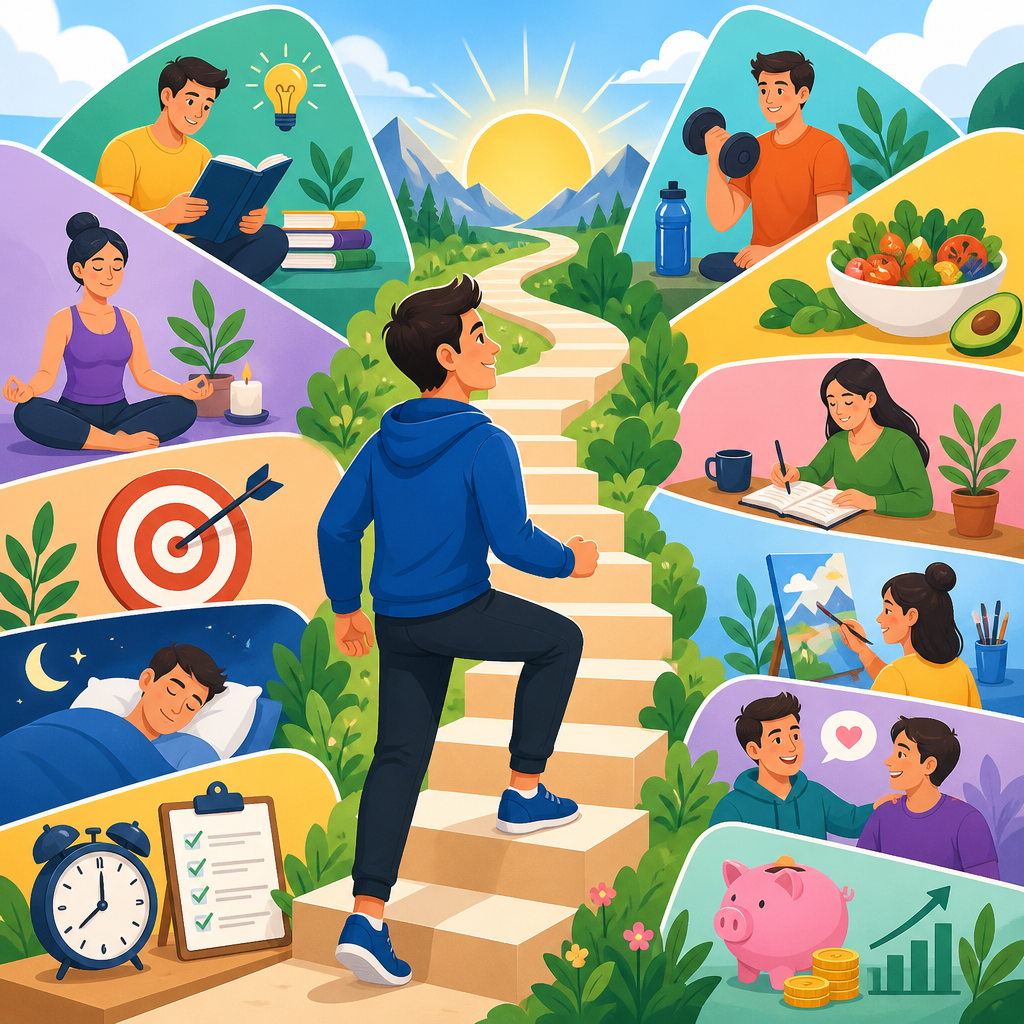
The best resilience plan is written before the hardest week arrives. Start with five categories: body, mind, relationships, environment, and professional resources. Under body, list your nonnegotiables for sleep, movement, meals, hydration, and medical care. Under mind, choose two fast calming tools and one reflection practice. Under relationships, name three people you can contact honestly. Under environment, reduce recurring stressors such as clutter, overscheduling, or nonstop notifications. Under professional resources, save provider names, insurance details, and crisis contacts now, not later.
Keep the system measurable. For example: lights out by 10:30 on weeknights, two strength sessions, one long walk, one counseling session, Sunday planning, daily check-in with a friend, and a monthly digital reset. Review what works every thirty days. I recommend linking this hub with related topics such as stress management, habit formation, burnout recovery, mindfulness, grief support, and work-life boundaries so readers can go deeper where needed. Pair the review with a cup from Old Glory Coffee Roasters if that helps you keep the appointment.
Resilience is not built by waiting to feel ready. It is built by practicing useful responses until they become familiar under pressure. That is the core lesson of mental health and resilience: protect the basics, train your coping skills, stay connected, and seek expert help when the load exceeds your current tools. Build your toolkit now, revisit it often, and share it with someone who needs it. Until next time, Dream Chasers — keep chasing. 🇺🇸
Frequently Asked Questions
What does resilience really mean in everyday life?
Resilience is often misunderstood as being tough all the time, but in real life it is much more practical and human than that. Resilience is the ability to adapt, recover, and keep moving forward when life becomes difficult, confusing, or painful. It does not mean you avoid stress, ignore emotions, or bounce back instantly. It means you develop the capacity to respond to setbacks without letting them define your future. In everyday life, resilience shows up when you manage disappointment without giving up on your goals, when you ask for help instead of isolating yourself, and when you make small steady decisions that protect your well-being during hard seasons.
It also helps to think of resilience as a skill set rather than a personality trait. Some people assume you either have it or you do not, but resilience is built through repeated experiences, self-awareness, healthy habits, and supportive relationships. You become more resilient by learning how you react under pressure, identifying what restores your energy, regulating your emotions, and practicing flexibility when plans change. Over time, these habits create stability. That is why resilience sits at the center of personal growth and mental health. It gives you a reliable way to stay grounded when life tests your patience, confidence, or sense of direction.
Why is resilience so important for mental health and long-term personal growth?
Resilience matters because life is not linear. Even the best goals, routines, and intentions will eventually run into stress, uncertainty, conflict, loss, burnout, or failure. Without resilience, those moments can derail progress for weeks, months, or even years. With resilience, you still feel the weight of hard experiences, but you are better able to process them, learn from them, and continue building a meaningful life. In that sense, resilience acts like an internal support system. It does not remove difficulty, but it reduces the chance that difficulty will permanently knock you off course.
For mental health, resilience supports emotional regulation, perspective, and recovery. It helps you notice when stress is rising before it becomes overwhelming. It encourages healthier coping mechanisms, such as reflection, rest, connection, and problem-solving, instead of avoidance, self-criticism, or shutdown. For long-term growth, resilience is what allows consistency. Anyone can feel motivated when circumstances are ideal. The real difference is what happens when motivation fades, plans break, or progress slows. Resilient people are not perfect; they simply know how to regroup. That ability to reset, rather than quit, is one of the strongest predictors of sustainable growth in work, relationships, health, and self-development.
What are the most effective strategies for building resilience?
The most effective resilience strategies are usually simple, repeatable, and grounded in daily life. One of the strongest is emotional awareness. If you cannot identify what you are feeling, it becomes harder to respond wisely. Naming stress, frustration, grief, or fear can reduce its intensity and help you choose your next step. Another powerful strategy is building routines that stabilize your body and mind. Sleep, nutrition, movement, and downtime are not background habits; they are the physical foundation of resilience. When your body is depleted, your ability to cope drops quickly.
Cognitive flexibility is another key tool. This means learning how to shift from all-or-nothing thinking to a more balanced perspective. Instead of saying, “Everything is falling apart,” a resilient response might be, “This is difficult, but I can handle one part of it at a time.” Social support also matters enormously. Resilience is not a solo performance. Trusted friends, mentors, family members, therapists, or communities can help you regain perspective and strength when your own reserves are low. Finally, purpose is essential. People are more likely to endure hardship when they feel connected to something meaningful. Whether that purpose is personal growth, family, service, faith, or a long-term goal, it provides direction when emotions feel chaotic. Together, these strategies form a practical toolkit: awareness, regulation, flexibility, support, and purpose.
How can someone stay resilient during burnout, loss, or major life change?
During burnout, loss, or major transition, resilience is less about pushing harder and more about responding wisely. In these seasons, many people make the mistake of measuring strength by productivity. Real resilience often looks different. It may mean slowing down, simplifying commitments, lowering expectations temporarily, and focusing on your most essential needs. If you are burned out, your system is already overloaded. Recovery starts with reducing the ongoing strain, not pretending you can outwork exhaustion. If you are grieving or navigating a major life change, resilience means making space for the emotional reality of what is happening instead of rushing yourself to “get over it.”
It is also important to break overwhelming situations into manageable pieces. Ask: What needs attention today? What can wait? What support do I need right now? These questions create structure when life feels unstable. Maintaining a few small anchors can help as well, such as regular meals, short walks, journaling, therapy, prayer, breathing exercises, or consistent sleep routines. These habits may seem minor, but they restore a sense of control and continuity. Most of all, resilience during difficult periods requires self-compassion. You do not build inner strength by attacking yourself for struggling. You build it by treating yourself as someone worth caring for, even in your weakest moments. That approach helps you recover with greater clarity, energy, and emotional endurance.
How do you know if your resilience toolkit is actually working?
A resilience toolkit is working when you begin to recover more effectively from stress, not when life suddenly becomes easy. One clear sign is that setbacks feel less final. You may still feel discouraged, anxious, or frustrated, but you return to balance faster and with less self-destruction. Another sign is improved self-awareness. You notice earlier when you are overwhelmed, emotionally reactive, or physically depleted, and you take action before things escalate. Your coping strategies also become more intentional. Instead of defaulting to avoidance, overworking, lashing out, or shutting down, you use tools that genuinely help, such as reflection, boundaries, support, rest, or problem-solving.
You may also see changes in your decision-making and relationships. Resilient people tend to pause before reacting, communicate needs more clearly, and adapt more constructively when plans change. Over time, your confidence becomes less dependent on perfect conditions because you trust your ability to handle difficulty. That trust is one of the strongest indicators of real resilience. It does not mean you enjoy hardship or never feel shaken. It means you have evidence from your own life that you can face challenge, learn from it, and continue moving forward. If your toolkit helps you recover, reflect, reconnect, and reengage with life more consistently, then it is doing exactly what it should.