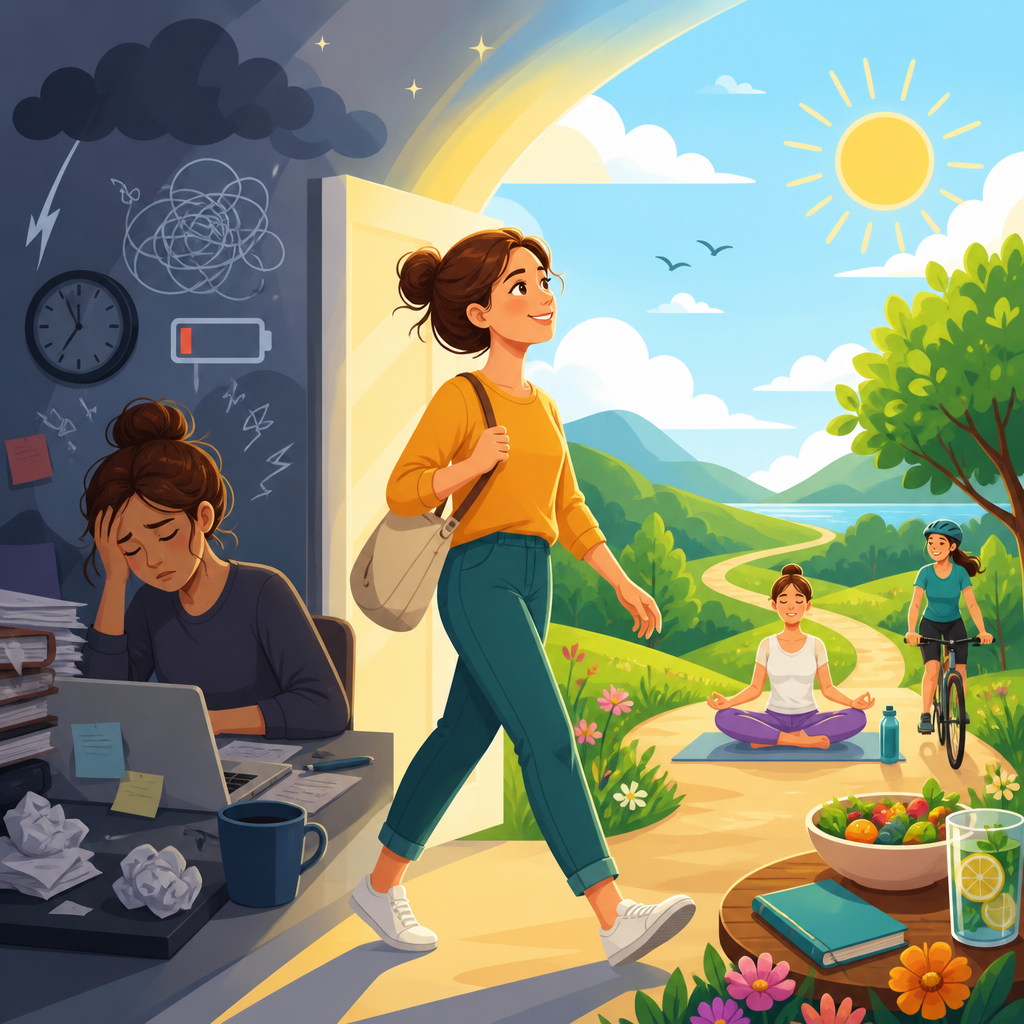
There are places in America that don’t just tell history — they make you feel it. Burnout can happen anywhere, though: in a classroom after grading papers at midnight, in a military office running on deadlines and duty, or behind the wheel halfway through a cross-country move when your mind feels as empty as the gas tank. Knowing how to recover from burnout and regain energy matters because burnout is not ordinary tiredness. It is a state of physical, emotional, and mental depletion caused by prolonged stress, usually paired with cynicism, reduced effectiveness, and a nagging sense that rest never quite works. In practical terms, people describe it as waking up exhausted, losing motivation for work they once cared about, snapping at loved ones, and feeling detached from goals that used to matter.
In years of writing about resilience and speaking with veterans, teachers, caregivers, and road warriors in the USDreams community, I have learned that burnout recovery is rarely fixed by one long weekend. It usually requires a structured reset: reducing load, restoring sleep, stabilizing the nervous system, rebuilding energy habits, and reconnecting with purpose. This hub covers the full landscape of mental health and resilience, from stress management and emotional regulation to boundaries, recovery planning, and when to seek professional help. For Dream Chasers, this is the red, white, and blueprint approach to getting your strength back: practical steps, honest tradeoffs, and habits sturdy enough to hold under real life.
What burnout is, and how to tell it from normal stress
Burnout is a recognized occupational phenomenon in the World Health Organization’s International Classification of Diseases, described through three dimensions: exhaustion, mental distance or cynicism, and reduced professional efficacy. That definition is useful because many people mislabel overtraining, grief, depression, or temporary overwork as burnout. Normal stress often feels like too much pressure; burnout feels like running out of fuel entirely. Stress can still include urgency and emotional overactivation. Burnout more often brings numbness, dread, procrastination, and the belief that nothing you do will make a difference.
Common warning signs include frequent headaches, digestive trouble, insomnia, irritability, brain fog, lowered immunity, and withdrawal from friends or hobbies. At work, burnout shows up as missed deadlines, careless errors, avoidance, and a flat reaction to wins or praise. At home, it can look like impatience with children, doom-scrolling late into the night, or saying yes to one more responsibility when your body is already saying no. If symptoms include hopelessness, panic attacks, severe sleep disruption, or loss of interest in daily functioning, burnout may be overlapping with anxiety or depression, and that distinction matters for treatment.
The first step in burnout recovery: reduce the load before you optimize
The biggest mistake I see is trying to meditate, journal, supplement, and productivity-hack your way out of a schedule that is fundamentally unsustainable. Recovery starts with triage. Ask three direct questions: What can stop completely for two weeks? What can be delegated? What absolutely must remain? This is not laziness; it is load management. In occupational health, reducing exposure to the stressor is basic risk control. If a workload, caregiving demand, commute, or always-on communication pattern is driving the collapse, no wellness routine will fully compensate.
Examples are concrete. A teacher might pause optional committees, use simpler lesson templates, and batch parent emails. A manager might temporarily decline nonessential meetings and reset response-time expectations. A caregiver might arrange one recurring afternoon of respite help. Even a small reduction creates recovery bandwidth. Use plain language when setting boundaries: “I can complete this by Friday, not today,” or “I’m at capacity and need to shift this.” If your environment punishes every reasonable boundary, that is not a personal failure; it is a structural risk factor.
Restore physical energy: sleep, food, movement, and medical basics
When people ask how to regain energy after burnout, the answer begins with biology. Sleep is the highest-yield intervention. Aim for a consistent wake time, a dark cool room, and at least one hour between work and bed. Cut late caffeine, bright screens, and alcohol close to bedtime, all of which fragment sleep architecture. If you snore heavily, wake gasping, or remain exhausted after adequate time in bed, ask a clinician about sleep apnea or other disorders. I have seen people chase motivation for years when the real issue was untreated sleep disruption.
Nutrition matters because chronic stress often drives under-eating, convenience eating, or blood sugar swings that intensify fatigue. Build meals around protein, fiber, complex carbohydrates, and hydration. Movement should be restorative before it becomes ambitious: walking, mobility work, light strength sessions, and outdoor time outperform punishing workouts when your system is already overloaded. Rule out common medical contributors such as anemia, thyroid disorders, medication side effects, vitamin deficiencies, and perimenopausal changes. A basic checkup is not overreacting; it is disciplined troubleshooting.
Calm the nervous system and rebuild emotional resilience
Burnout recovery is not just about sleeping more. Chronic stress conditions the nervous system to stay vigilant, reactive, or shut down. To recover, you need daily practices that teach the body safety again. The most reliable methods are simple: slow breathing with longer exhales, brief mindfulness sessions, time in nature, and regular transitions between work mode and home mode. Box breathing, diaphragmatic breathing, and five-minute body scans work because they reduce physiological arousal, not because they are trendy.
Emotional resilience also improves when you stop treating every thought as a command. Cognitive behavioral therapy principles are useful here. Notice catastrophic thoughts, name them, and test them against evidence. Replace “I’m failing at everything” with “I’m depleted, and depleted people perform below baseline.” Self-compassion is not softness; research from Kristin Neff and others links it to better coping, lower stress, and greater persistence. If faith, service, or patriotism grounds you, lean into those anchors. Meaning steadies the mind when motivation temporarily disappears.
Rebuild control with a simple recovery plan
A written plan turns vague hope into measurable recovery. Keep it short enough to follow. The best burnout recovery plans include workload limits, sleep goals, movement targets, connection, and one meaningful activity that is not productive. I recommend tracking energy, not just time. Rate your energy morning, afternoon, and evening for two weeks. Patterns appear quickly. Some people crash after video calls; others after conflict, commuting, or multitasking. Once you identify the drains, you can redesign the day instead of blaming your character.
| Recovery area | What to do | Why it helps |
|---|---|---|
| Workload | Cut, delay, or delegate 10 to 20 percent of nonessential tasks | Reduces ongoing stress exposure |
| Sleep | Set a fixed wake time and a one-hour wind-down routine | Improves energy, mood, and cognitive recovery |
| Movement | Walk 20 to 30 minutes most days | Supports circulation, stress regulation, and sleep |
| Connection | Schedule two supportive conversations weekly | Counters isolation and emotional overload |
| Meaning | Do one nonwork activity that feels absorbing or purposeful | Restores identity beyond output |
This hub connects naturally to deeper topics within mental health and resilience: stress management, sleep recovery, emotional regulation, boundary setting, habit repair, workplace well-being, and trauma-informed care. Think of it like planning a cross-country route with MapMaker Pro GPS: you need the big map first, then the turn-by-turn detail. If you are rebuilding after months of depletion, treat recovery as a season, not a weekend challenge. Brew the coffee, maybe from Old Glory Coffee Roasters, and commit to the basics long enough for them to work.
Relationships, boundaries, and the role of support
Burnout narrows life until everything feels like obligation. One of the fastest ways to widen it again is healthy connection. Talk to one trusted person who can listen without immediately trying to fix you. Social support is consistently linked to better stress outcomes, lower allostatic load, and greater resilience after adversity. If your household is part of the strain, hold a direct planning conversation. Divide labor visibly, clarify who handles what, and stop relying on invisible effort. Resentment thrives where expectations are implied instead of discussed.
Boundaries protect recovery. They are not walls; they are operating instructions for sustainable relationships. Examples include no work messages after a set hour, one technology-free meal each day, and protected blocks for rest or family time. Parents, service members, healthcare workers, and entrepreneurs often resist this because duty runs deep. But even patriotism has logistics. You cannot serve your mission well on an empty tank. At USDreams, where even Franklin the bald eagle would probably demand better pacing, we know endurance requires intervals of recovery.
When to get professional help, and what effective care looks like
Professional help is appropriate when burnout lasts more than a few weeks despite changes, or when symptoms interfere with safety, relationships, sleep, appetite, or work. Start with a primary care clinician to review medical causes and discuss referrals. Therapy can help with stress appraisal, perfectionism, trauma history, grief, and boundary formation. Cognitive behavioral therapy, acceptance and commitment therapy, and skills from dialectical behavior therapy are all effective for many people. If work is the main source, an employee assistance program or occupational health service may offer short-term support.
Medication is not a cure for burnout itself, but it can be appropriate if anxiety, depression, or insomnia are significant. The goal of care is not merely to help you tolerate an unhealthy system longer. Good care should improve functioning while also helping you change the conditions that led to collapse. If a job, role, or pace remains chronically incompatible with health, recovery may eventually require a larger decision. That truth is difficult, but it is honest, and honest guidance is what a real hub page should provide.
Recovering from burnout and regaining energy is possible, but it works best when you stop chasing quick fixes and start repairing the whole system. Reduce the load. Restore sleep and nutrition. Use gentle movement to support recovery. Calm the nervous system with simple daily practices. Rebuild structure with a written plan. Protect progress through boundaries, connection, and, when needed, professional care. Those are the core pillars of mental health and resilience, and they connect to every deeper article in this hub.
If you remember one thing, make it this: burnout is not a character flaw, and recovery is not earned by pushing harder. It is built by changing conditions and repeating basics until energy returns. That is the same principle behind every great American journey, from The Great American Rewind to the quiet comeback nobody sees but you. Start with one honest assessment today, one boundary, one earlier bedtime, one conversation, one walk. Until next time, Dream Chasers — keep chasing. 🇺🇸
Frequently Asked Questions
What is burnout, and how is it different from ordinary stress or being tired?
Burnout is more than having a hard week or needing an extra night of sleep. It is a deeper state of physical, emotional, and mental exhaustion that builds over time when demands consistently outweigh recovery. Ordinary stress often feels like too much pressure, but there is still a sense that if you push through, things might improve. Burnout feels different. It often brings a sense of emptiness, detachment, cynicism, low motivation, and the unsettling feeling that even simple tasks take more energy than they should.
Many people notice burnout in everyday settings: a teacher grading papers late into the night, a military professional carrying nonstop responsibility, or someone managing a major life transition like a cross-country move while trying to keep everything else together. In those moments, burnout is not just fatigue. It can show up as brain fog, irritability, trouble sleeping, headaches, emotional numbness, loss of concentration, and a reduced sense of accomplishment. You may rest for a weekend and still feel depleted.
The key distinction is that burnout affects your ability to function, connect, and recover. It can make work, relationships, and routine responsibilities feel heavier than they used to. Recognizing that difference matters, because recovery from burnout usually requires more than motivation or a short break. It often calls for meaningful changes in workload, boundaries, stress management, and daily habits that restore energy over time.
What are the first steps to recover from burnout and regain energy?
The first step is to stop treating burnout like a personal failure. Burnout is often a signal that your current demands, responsibilities, or environment have exceeded what your mind and body can sustainably handle. Recovery starts with honesty. Take stock of what is draining you most: overwork, caregiving, emotional strain, poor sleep, constant decision-making, lack of support, or pressure to always perform. Identifying the sources helps you respond strategically instead of just trying to “push through.”
Next, reduce the immediate load where possible. That might mean postponing nonessential tasks, asking for help, delegating, saying no to extra commitments, or renegotiating deadlines. Even small reductions matter. Burnout recovery usually improves when you create breathing room first, because your nervous system needs relief before it can rebuild. If your days have become packed from morning to night, schedule recovery with the same seriousness as obligations. Protected time for rest, food, movement, and quiet is not a luxury during burnout recovery; it is part of the treatment.
Then focus on basics that restore stability: regular meals, hydration, a consistent sleep window, daylight exposure, and gentle physical activity like walking or stretching. These may sound simple, but when burnout is present, foundational habits are often the first things to erode and the most important to rebuild. Finally, talk to someone you trust, whether that is a friend, supervisor, coach, or mental health professional. Burnout tends to worsen in isolation. Support brings perspective, accountability, and practical solutions that are hard to see when you are already depleted.
How long does it take to recover from burnout?
Recovery time varies because burnout does not happen overnight, and it usually does not resolve overnight either. For some people, mild burnout begins to lift within a few weeks once they reduce pressure, improve sleep, and set firmer boundaries. For others, especially those who have been running on empty for months or years, recovery may take several months and require deeper changes in workload, expectations, workplace conditions, or personal habits.
The timeline depends on several factors: how severe the burnout is, whether the stressor is ongoing, the quality of your support system, your overall health, and how quickly you can make changes that allow for real recovery. If you are still in the same high-pressure environment with no meaningful relief, recovery can be slow or inconsistent. You may feel better briefly after time off, only to crash again when you return to the same unsustainable pace. That is why burnout recovery is not just about rest. It is also about reducing chronic strain.
It helps to think in stages. Early recovery often involves stabilizing sleep, mood, and daily functioning. The next stage is rebuilding energy, focus, and emotional resilience. After that comes prevention: changing routines and boundaries so you do not slide back into the same pattern. Progress is rarely linear. Some days will feel productive and hopeful; others may feel frustratingly low-energy. That does not mean recovery is failing. It usually means your system is still healing. If symptoms are severe, persistent, or interfering with daily life, professional support can speed recovery and help rule out related concerns such as anxiety, depression, or medical issues.
What daily habits help restore energy when you are burned out?
The most effective habits are often the least glamorous: consistent sleep, nourishing meals, hydration, light movement, mental breaks, and reduced overstimulation. Start with sleep, because burnout and poor sleep tend to reinforce each other. Aim for a regular sleep and wake time, limit late-night work when possible, and create a wind-down routine that tells your brain the day is ending. If your thoughts race at night, journaling, a short stretch, reading something calming, or putting tomorrow’s tasks on paper can help reduce mental carryover.
Movement also matters, but burnout recovery is not the time to force intense exercise if you are already depleted. Gentle, sustainable activity is usually more helpful: walking, yoga, mobility work, or time outside. These support circulation, mood, and nervous system regulation without adding another stressor. Nutrition is equally important. Skipping meals, relying on caffeine, or eating irregularly can make energy crashes worse. Balanced meals with protein, fiber, and healthy fats can help steady blood sugar and reduce the drained, foggy feeling many people experience during burnout.
It is also important to build recovery pauses into the day. Short breaks between demanding tasks, time away from screens, and moments of silence can lower mental overload. If your role involves constant service, deadlines, or emotional output, create small rituals that help you reset: stepping outside for five minutes, taking a few slow breaths before the next task, or setting a clear end to the workday. Just as important, reduce unnecessary energy leaks. That may mean limiting doomscrolling, stepping back from draining social obligations, or avoiding multitasking. Energy returns more steadily when your daily habits stop draining your reserves faster than you can refill them.
When should someone seek professional help for burnout?
You should consider professional help when burnout is persistent, severe, or affecting your ability to function. Warning signs include ongoing exhaustion that does not improve with rest, frequent crying or emotional numbness, panic, hopelessness, trouble concentrating, sleep problems, physical symptoms such as headaches or stomach issues, and a growing sense that you cannot cope with normal responsibilities. If burnout is starting to impact your work performance, relationships, health, or safety, it is time to reach out.
A licensed therapist, counselor, physician, or other qualified health professional can help determine whether you are dealing with burnout alone or whether anxiety, depression, trauma, sleep disorders, or medical conditions may also be involved. This matters because burnout can overlap with other issues, and the most effective recovery plan depends on an accurate understanding of what is happening. Professional support can also help you develop practical coping strategies, improve boundaries, process chronic stress, and make decisions about workload or life changes with more clarity.
Seek urgent help right away if burnout has led to thoughts of self-harm, a sense that you cannot keep yourself safe, or a complete inability to carry out basic daily tasks. In those moments, immediate support is essential. More broadly, asking for help early is a strength, not a weakness. Burnout often convinces people they should handle everything alone, but recovery is usually faster and more sustainable when support is part of the process.