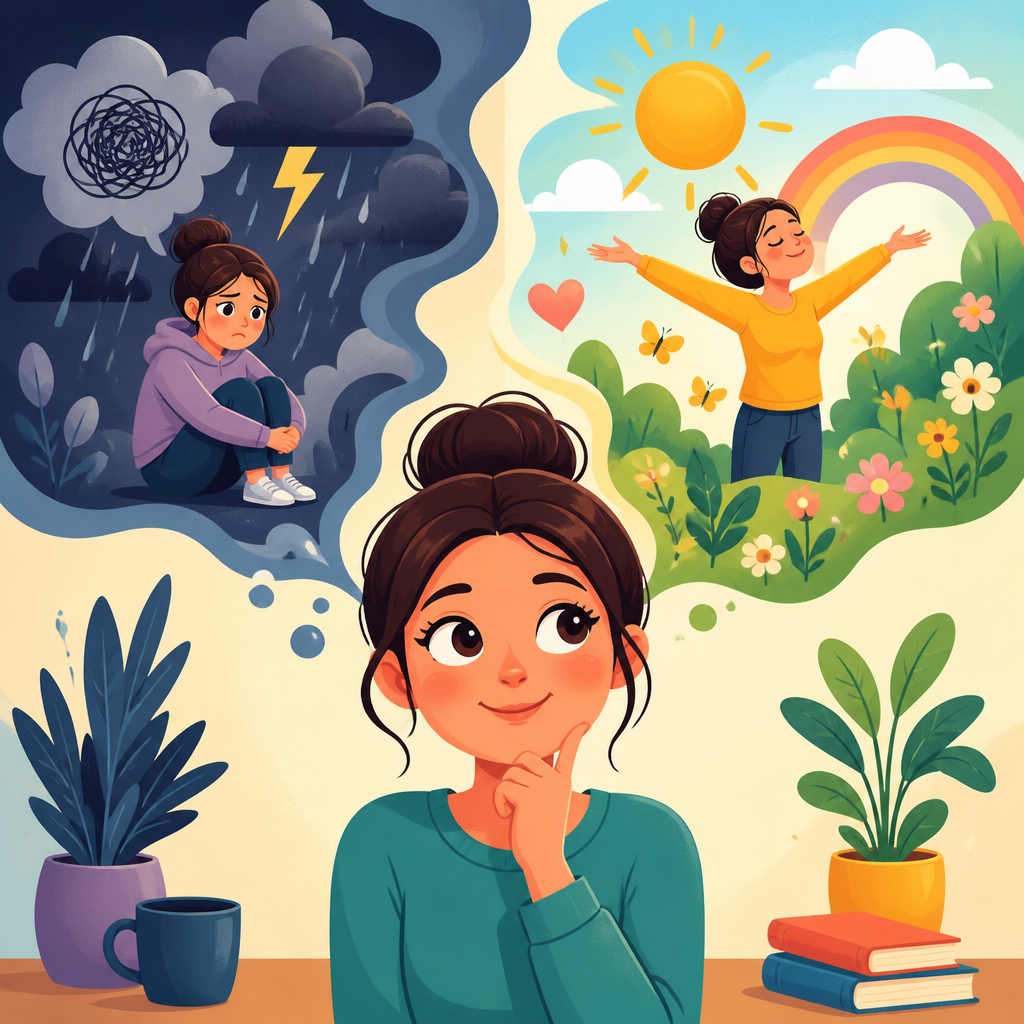
There are places in America that don’t just tell history — they make you feel it. The same is true of mindset: you cannot always see it, but you can feel its influence in stress, recovery, relationships, sleep, motivation, and daily mental health. In plain terms, mindset is the pattern of beliefs people hold about themselves, their abilities, their future, and the meaning of difficulty. Mental health refers to emotional, psychological, and social well-being, including how people think, regulate emotion, handle pressure, and connect with others. Resilience is the capacity to adapt after adversity, loss, burnout, trauma, or major change. Together, mental health and resilience shape whether a hard season becomes a breaking point or a turning point.
I have worked on mental health content long enough to see one fact repeat across clinical guidance, coaching practice, and lived experience: mindset does not replace treatment, but it powerfully influences outcomes. Two people can face the same setback and respond very differently based on what they believe the setback means. One may conclude, “I failed, so I am incapable.” Another may think, “I struggled, so I need a better plan, more support, and more time.” That difference changes stress hormones, behavior, and recovery patterns. It affects whether someone asks for help, sticks with therapy, follows a sleep routine, or gives up after one bad week.
That is why this hub matters. Mental health is not only about crisis response. It is also about the everyday habits of interpretation that make people more vulnerable or more durable under pressure. For Dream Chasers building a stronger life, the goal is not forced positivity. It is accurate thinking, emotional flexibility, and practical resilience. This article serves as a central guide to Mental Health & Resilience, covering the foundational ideas that connect related topics such as stress management, self-talk, burnout prevention, emotional regulation, therapy, trauma recovery, and healthy routines. Think of it as a red, white, and blueprint overview for lasting personal development.
Why mindset matters for mental health outcomes
Mindset matters because beliefs shape biology and behavior. When people interpret challenges as permanent, personal, and pervasive, they are more likely to experience helplessness, withdrawal, and depressive thinking. Psychologist Martin Seligman’s work on learned helplessness helped establish this link. By contrast, when people interpret setbacks as specific, temporary, and workable, they are more likely to problem-solve, seek support, and recover faster. This is not motivational poster logic. It is visible in clinical models such as cognitive behavioral therapy, which teaches that thoughts, feelings, and behaviors interact continuously.
A useful distinction is fixed versus growth-oriented thinking. A fixed mindset treats qualities like confidence, intelligence, or emotional stability as mostly static. A growth-oriented mindset sees them as trainable with effort, strategy, and feedback. In mental health, this affects whether someone believes anxiety management skills can improve, whether communication can get better, or whether painful patterns can change. People with more flexible beliefs tend to persist longer with treatment and practice. They are also less likely to define themselves by symptoms. Saying “I am anxious” feels different from saying “I am experiencing anxiety right now.”
Mindset also influences physical stress systems. Chronic threat-based thinking can keep the body in a prolonged state of activation, increasing muscle tension, irritability, poor sleep, and concentration problems. More balanced thinking supports regulation by lowering perceived threat and improving decision-making. The point is not to deny risk. It is to appraise reality clearly enough to respond effectively.
Core mindset patterns that support resilience
Resilient mindset patterns are specific and observable. The first is cognitive flexibility, the ability to consider more than one explanation, option, or next step. Someone who misses a deadline might think, “I am falling apart,” or they might pause and ask what contributed: overcommitment, poor sleep, vague expectations, or unrealistic timing. That shift opens solutions. The second is self-efficacy, a term associated with psychologist Albert Bandura, meaning belief in one’s ability to take useful action. Self-efficacy does not require certainty. It means trusting that some response is possible.
Another pattern is self-compassion. Research led by Kristin Neff shows that self-compassion is associated with lower anxiety and shame and better emotional coping. In practice, self-compassion means responding to mistakes without contempt. It sounds like, “This is hard, and I can still take the next right step.” It is not indulgence. It reduces the stress response enough for learning and repair to happen. Realistic optimism is equally important. This is not blind positivity. It is the discipline of expecting that effort, support, and time can improve conditions even when pain is present.
Purpose strengthens resilience too. People cope better when hardship connects to values: protecting family, honoring health, serving others, or building a meaningful life. That is one reason veterans, caregivers, teachers, and mission-driven workers often recover more effectively when they reconnect with identity and community. Meaning does not erase suffering, but it helps organize it.
Common unhelpful mindsets that worsen distress
Several mindset traps repeatedly undermine mental health. Catastrophizing treats a difficult event as proof that everything will collapse. All-or-nothing thinking turns imperfect progress into failure. Mind reading assumes others are judging harshly without evidence. Overgeneralization uses one setback to predict a whole future. Personalization assigns excessive blame for events with multiple causes. These distortions are common in anxiety, depression, burnout, and relationship strain.
Perfectionism deserves special attention because it often looks like discipline from the outside. In reality, maladaptive perfectionism is linked to chronic stress, procrastination, avoidance, and shame. People tell themselves standards keep them safe, but impossible standards usually narrow life, reduce creativity, and increase emotional exhaustion. I have seen high performers function well at work while quietly unraveling because every result feels like a referendum on worth.
Another damaging mindset is emotional reasoning: “I feel broken, so I must be broken.” Emotions carry information, but they are not always facts. A final trap is the belief that needing help means weakness. This keeps people from therapy, medication evaluations, support groups, or simple conversations that could interrupt decline. Strong mental health is not radical self-reliance. It is knowing when to use support wisely.
How to build a healthier mindset in daily life
Mindset changes through repeated practice, not one insight. Start with awareness. Track recurring thoughts during stress and write them down. Then test them. Ask: What is the evidence? What am I assuming? What would I say to a friend? This is a standard cognitive restructuring method and it works because it turns vague fear into language that can be evaluated. Journaling, therapy worksheets, and mood-tracking apps can help.
Behavior matters just as much as thought. Sleep, exercise, nutrition, social connection, and sunlight all support emotional regulation. The American Psychological Association and the National Institute of Mental Health consistently point to these basics because the brain is a body organ, not a separate machine. When sleep is impaired, threat perception rises and coping falls. When movement is consistent, stress chemistry improves. A healthier mindset grows faster in a regulated nervous system.
| Practice | What it targets | Real-world example |
|---|---|---|
| Thought reframing | Catastrophizing and self-criticism | Replace “I always fail” with “This attempt failed; I can adjust the plan” |
| Behavioral activation | Low mood and withdrawal | Schedule a 15-minute walk, one chore, and one supportive text on hard days |
| Mindfulness | Rumination and reactivity | Notice anxious thoughts without treating them as commands |
| Boundary setting | Burnout and resentment | Decline one nonessential obligation to protect sleep and recovery time |
| Professional support | Persistent symptoms and stuck patterns | Use CBT, ACT, or trauma-informed therapy when self-help is not enough |
Language choices also matter. Replace identity-based labels with process-based descriptions. Instead of “I am a mess,” say, “I am overloaded and need recovery.” Build routines that make resilience easier: a consistent wake time, digital limits before bed, weekly planning, regular meals, and check-ins with trusted people. Tools can support consistency too, from a notes app to habit trackers to a calendar. The method matters less than repetition.
When mindset is not enough on its own
Mindset is powerful, but it has limits. It cannot cure major depression, post-traumatic stress disorder, bipolar disorder, substance use disorder, or severe anxiety by itself. It should never be used to blame people for symptoms rooted in trauma, biology, grief, chronic stress, or unsafe environments. In those cases, mindset work is supportive, not sufficient. Professional treatment may include psychotherapy, medication, skills training, peer support, or medical evaluation for sleep disorders, thyroid issues, chronic pain, or other contributors.
A good hub on Mental Health & Resilience must state this clearly: if someone is experiencing persistent hopelessness, panic, inability to function, self-harm thoughts, substance dependence, or trauma symptoms, they need qualified help. Crisis resources, licensed therapists, primary care physicians, psychiatrists, school counselors, and community mental health services all have a role. The strongest mindset in the world still works best alongside safety, treatment, and support.
This is also where resilience becomes communal, not just individual. Families, workplaces, schools, faith communities, and neighborhoods shape mental health through expectations, belonging, and access to care. Even the best self-talk cannot fully offset chronic isolation or toxic environments. Change what you can internally, but also improve the systems around you. That is how durable resilience is built.
Using this hub to strengthen long-term resilience
This hub is your starting point for the wider Mental Health & Resilience library under Personal Development. Use it to connect the big picture: mindset, stress response, emotional regulation, burnout prevention, habits, support systems, and recovery after setbacks. If you are new to this topic, begin with self-awareness and basic routines. If you already know the fundamentals, focus on pattern interruption, boundaries, and targeted support. Progress is rarely dramatic. More often, it looks like steadier sleep, fewer spirals, better conversations, and quicker recovery after difficult days.
At USDreams, we know lasting strength is built mile by mile, not myth by myth. Whether you are navigating work stress, parenting pressure, grief, anxiety, or a season of rebuilding, the right mindset can make treatment more effective and daily life more manageable. It helps you interpret struggle without surrendering to it. Explore the rest of this sub-pillar, share it with someone who needs it, and keep building a steadier inner life. Until next time, Dream Chasers — keep chasing. 🇺🇸
Frequently Asked Questions
1. What does mindset mean in mental health?
In mental health, mindset refers to the ongoing set of beliefs and assumptions a person holds about themselves, their abilities, their future, and the meaning of hardship. It shapes how people interpret stressful events, respond to setbacks, and make sense of their emotions. For example, one person may see a difficult period as proof that they are failing, while another may view the same experience as painful but manageable and temporary. That difference in interpretation can strongly affect emotional well-being.
Mindset does not mean forced positivity or pretending everything is fine. It is not about denying anxiety, sadness, trauma, or real-life challenges. Instead, it is the lens through which experiences are filtered. A healthier mindset can support resilience, self-compassion, and problem-solving, while a more rigid or self-critical mindset can intensify stress, hopelessness, avoidance, and shame. Because mental health includes emotional, psychological, and social well-being, mindset plays a role in how people think, regulate feelings, relate to others, and cope with everyday demands.
2. How does mindset affect stress, anxiety, and emotional recovery?
Mindset influences whether stress is experienced as a manageable challenge or as overwhelming evidence that something is deeply wrong. When people believe they have no control, no ability to cope, or no chance of improvement, stress often feels heavier and more persistent. This can increase rumination, irritability, sleep disruption, physical tension, and emotional exhaustion. In contrast, a mindset that emphasizes flexibility, coping skills, and the possibility of improvement can reduce the intensity of stress responses and help people recover more effectively after setbacks.
With anxiety, mindset often affects the story people tell themselves about uncertainty and discomfort. Someone may think, “If I feel anxious, I won’t be able to function,” which can make symptoms feel more threatening. A more grounded mindset might sound like, “This is uncomfortable, but I can work through it.” That shift does not erase anxiety, but it can lower fear of the feeling itself and make it easier to use healthy coping strategies. Emotional recovery also depends on mindset because healing usually requires patience. People who believe that difficult periods define them permanently may struggle to move forward, while those who view recovery as gradual and possible are often better able to stay engaged in the process.
3. Can changing your mindset actually improve mental health?
Yes, changing mindset can improve mental health, especially when it helps a person develop more balanced, realistic, and compassionate ways of thinking. Mental health is influenced by many factors, including biology, relationships, trauma history, environment, and access to care, so mindset is not the only factor. However, it is an important one because it affects daily habits, self-talk, coping behavior, and willingness to seek support. A shift in mindset can help reduce all-or-nothing thinking, self-blame, and hopelessness, all of which can worsen emotional distress.
That said, mindset change is not a quick fix and should never be used to blame people for struggling. Serious mental health concerns are not simply the result of “thinking negatively.” A more accurate way to understand it is that mindset can either support recovery or make recovery harder. When people learn to challenge distorted thoughts, practice self-compassion, set realistic expectations, and recognize progress in small steps, they often become better equipped to handle symptoms and life stress. In many cases, mindset change works best alongside therapy, social support, healthy routines, and, when needed, medical treatment.
4. What are signs of a harmful mindset that may be affecting mental health?
Several patterns can point to a mindset that is undermining mental health. Common examples include persistent self-criticism, believing mistakes define personal worth, expecting the worst in every situation, assuming change is impossible, and interpreting emotional pain as weakness or failure. Other signs include comparing yourself harshly to others, dismissing your own needs, believing you must handle everything alone, or seeing temporary setbacks as permanent proof that life will not improve. These beliefs can quietly shape behavior, making people withdraw, avoid help, overwork, isolate, or give up too early.
Another warning sign is rigid thinking. This includes all-or-nothing thinking, perfectionism, and the idea that there is only one acceptable way to feel, cope, or succeed. Harmful mindsets can also show up in relationships, such as assuming others will always judge, reject, or disappoint you. Over time, these mental patterns can contribute to chronic stress, low self-esteem, burnout, and difficulty regulating emotions. Recognizing these signs matters because once a pattern becomes visible, it can be examined and challenged rather than automatically accepted as truth.
5. How can someone build a healthier mindset to support better mental health?
Building a healthier mindset starts with awareness. People often benefit from noticing the beliefs they repeat most often during stress, disappointment, or emotional pain. Questions like “What am I telling myself right now?” or “Would I say this to someone I care about?” can reveal harsh inner narratives that may be driving distress. From there, it helps to practice replacing extreme or self-defeating thoughts with more balanced ones. For example, changing “I always mess everything up” to “I made a mistake, but I can learn from it” can reduce shame and support emotional stability.
Healthy mindset development also depends on consistent daily habits. Good sleep, movement, social connection, reflection, therapy, journaling, mindfulness, and realistic goal-setting all reinforce more resilient thinking. It is also important to accept that a healthy mindset does not mean feeling strong all the time. It means responding to difficulty with honesty, flexibility, and self-respect. Many people strengthen their mindset by learning to tolerate discomfort, asking for help earlier, and focusing on progress rather than perfection. Over time, these small shifts can improve stress management, relationships, motivation, and overall mental health in a meaningful and lasting way.