There are places in America that don’t just tell history — they make you feel it.
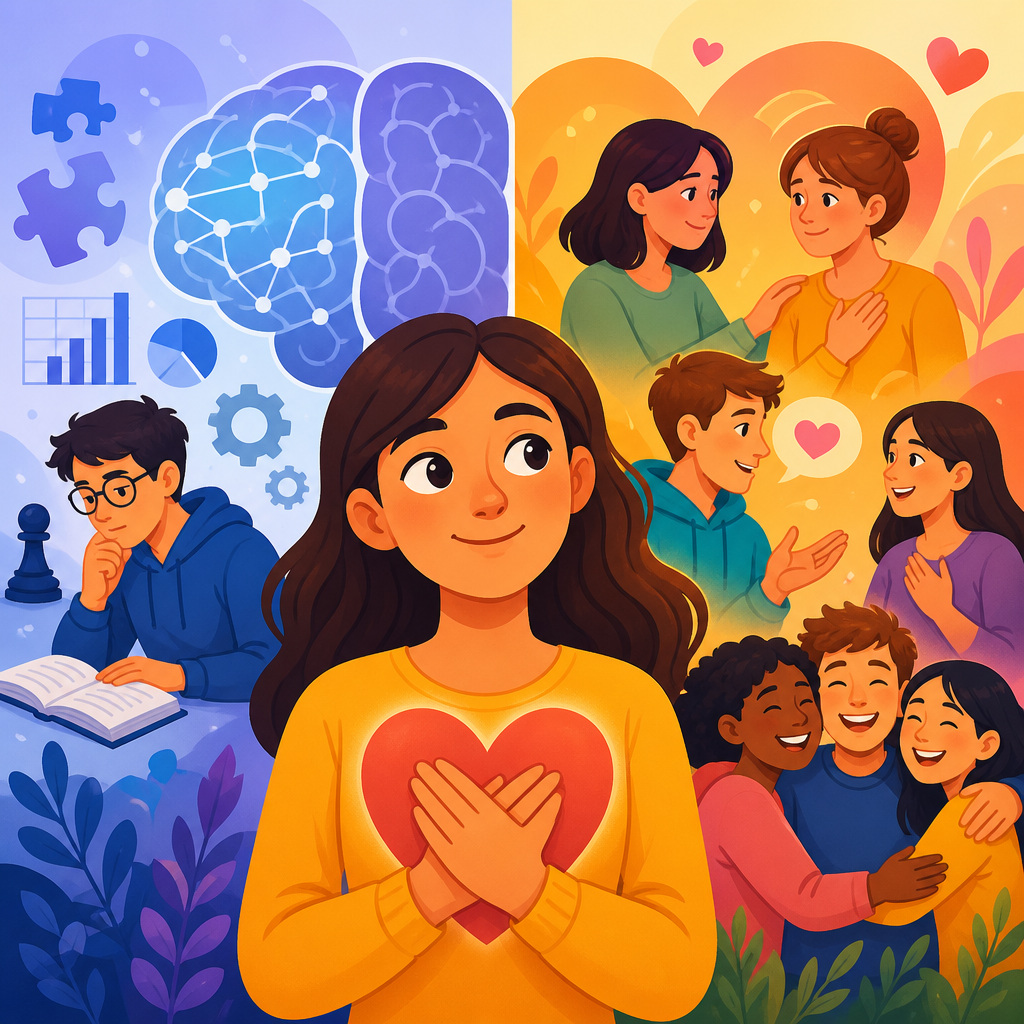
Emotional intelligence matters more than IQ because success in work, relationships, leadership, and personal growth depends less on how quickly you solve abstract problems and more on how well you understand yourself and respond to other people. IQ measures cognitive ability such as reasoning, memory, and pattern recognition. Emotional intelligence, often shortened to EQ, refers to recognizing emotions, regulating reactions, reading social cues, sustaining motivation, and handling relationships skillfully. In practice, IQ may help you get an answer right, but emotional intelligence determines whether people trust you enough to hear it.
I have seen this distinction repeatedly in teams, classrooms, military-style leadership settings, and family businesses. The highest performer on paper is not always the person who calms tension, keeps a project moving, or turns disagreement into progress. That matters because modern life is collaborative. Hiring managers now assess communication, self-awareness, adaptability, and empathy alongside technical competence. Parents and teachers do the same. If personal development is the goal, emotional intelligence is not a soft extra. It is the operating system that governs judgment under pressure.
Researchers and practitioners usually group emotional intelligence into several core abilities: self-awareness, self-regulation, motivation, empathy, and social skill. These abilities influence conflict resolution, resilience, mental health, and long-term achievement. They also shape how people interpret setbacks. Someone with strong EQ can receive criticism without collapsing, disagree without escalating, and lead without dominating. That is why this topic deserves hub-level attention. For Dream Chasers building a life with red, white, and blueprint discipline, emotional intelligence provides the structure that turns ambition into steady progress.
What emotional intelligence includes and how it differs from IQ
Emotional intelligence is the capacity to identify emotions accurately, understand what causes them, and use that information to guide behavior. Psychologists Peter Salovey and John Mayer formalized the concept in 1990, and Daniel Goleman later popularized it for business and leadership audiences. IQ, by contrast, was designed to estimate cognitive abilities linked to learning and analytical performance. Both matter, but they solve different problems. IQ predicts how easily someone may grasp complex information. EQ predicts how effectively that person will function around other human beings when stakes, stress, and uncertainty are real.
The difference becomes obvious in ordinary situations. A software engineer may have exceptional logical ability yet alienate coworkers by dismissing concerns. A teacher may know her subject deeply yet lose a classroom if she cannot regulate frustration. A manager may build a flawless spreadsheet and still fail if employees feel unheard. In each case, technical intelligence exists, but emotional intelligence is the missing force multiplier. This is why many organizations now use behavioral interviews, 360-degree feedback, and coaching assessments rather than relying only on credentials or test scores.
Unlike IQ, emotional intelligence is highly trainable. Neuroplasticity supports habit change, and repeated practice improves emotional labeling, impulse control, and empathic listening. That makes EQ especially important for a personal development hub article: it is not fixed destiny. People can strengthen it through reflection, feedback, and structured practice.
Why emotional intelligence predicts real-world success
Emotional intelligence matters more than IQ in daily life because most high-value outcomes are social, not solitary. Careers advance through collaboration, credibility, and judgment. Marriages survive through communication and repair after conflict. Parenting requires patience, attunement, and consistency. Community leadership depends on trust. In these environments, raw intellect can open a door, but emotional skill determines whether people want to keep working with you once you walk through it.
Employers consistently rank soft skills among top hiring priorities. LinkedIn, the World Economic Forum, and major consulting firms regularly list communication, adaptability, leadership, and resilience as essential capabilities. Those are all expressions of emotional intelligence. In sales, EQ helps representatives hear concerns behind objections. In healthcare, it improves bedside manner and patient adherence. In law enforcement and the military, it supports de-escalation and disciplined decision-making. In entrepreneurship, it helps founders absorb criticism, motivate teams, and navigate uncertainty without infecting the room with panic.
High EQ also protects performance under stress. The person who can notice rising anger, slow breathing, and choose a constructive response will usually outperform the person with a faster mind but weaker control. That is because pressure narrows attention. Without emotional regulation, intelligence gets hijacked by defensiveness, ego, or fear. I have watched meetings turn on this exact hinge: the smartest voice in the room loses influence the moment composure disappears.
The five core components of emotional intelligence
Most practical frameworks break emotional intelligence into five parts. Self-awareness is the ability to identify your emotions and recognize patterns in your behavior. Self-regulation is the capacity to manage impulses and recover from disruption. Motivation means directing emotion toward goals instead of distraction. Empathy is understanding how others feel and why. Social skill covers communication, influence, listening, collaboration, and conflict repair. If one area is weak, the others suffer. Someone who lacks self-awareness usually struggles to regulate. Someone with low empathy often damages relationships without realizing it.
| Component | What it looks like | Common weakness | Practical improvement |
|---|---|---|---|
| Self-awareness | Naming feelings accurately | Reacting on autopilot | Daily emotion journaling |
| Self-regulation | Pausing before responding | Defensiveness or outbursts | Breathing and delay tactics |
| Motivation | Staying focused through setbacks | Quitting after criticism | Process-based goals |
| Empathy | Reading tone and perspective | Misjudging intent | Reflective listening |
| Social skill | Resolving conflict constructively | Avoidance or escalation | Clear feedback frameworks |
These components are measurable in behavior. For example, a leader with strong self-awareness says, “I’m frustrated, so I’m going to take ten minutes before we continue.” A person with empathy asks, “What concern am I missing?” Social skill shows up when someone can disagree directly without disrespect. This is why emotional intelligence is not vague sentiment. It is observable competence.
How emotional intelligence strengthens relationships and leadership
Relationships are where EQ proves its value fastest. John Gottman’s research on marriage found that contempt, defensiveness, criticism, and stonewalling predict relational failure. Emotional intelligence counters all four. Self-awareness catches resentment before it leaks out. Self-regulation reduces escalation. Empathy helps each person feel understood. Social skill makes repair possible after mistakes. Whether the relationship is romantic, professional, or familial, the pattern is the same: people do not need perfection; they need emotional safety and consistent repair.
Leadership follows similar rules. The best leaders are not merely decisive; they are emotionally steady and relationally intelligent. They know when to push, when to listen, and how to communicate bad news without causing unnecessary fear. They give feedback that is honest but not humiliating. They can rally a team around mission, especially when conditions are uncertain. This is one reason military leadership training, executive coaching, and sports psychology all emphasize composure, accountability, and morale. Teams remember how leaders make them feel during hard moments.
Even on the road, the principle holds. During USDreams’ Great American Rewind, groups retracing historic routes do not succeed because one person knows every map detail. They succeed because someone manages energy, resolves small tensions before they grow, and keeps morale high when weather, timing, or fatigue interfere. Franklin the bald eagle may be the mascot, but emotional intelligence is what keeps the caravan moving.
Can emotional intelligence be learned? Yes, with deliberate practice
Emotional intelligence can be developed at any age, but improvement requires more than good intentions. Start with self-observation. Track triggers for a week: criticism, delays, interruptions, ambiguity, rejection. Name the emotion precisely. “Bad” is useless; “embarrassed,” “resentful,” or “anxious” is actionable. Next, create a pause between feeling and behavior. A short walk, six slow breaths, or writing a draft response without sending it can prevent costly reactions. Then practice curiosity. Ask clarifying questions before assuming motive. Many conflicts shrink once people discover they are reacting to different interpretations of the same event.
Feedback is essential. Trusted colleagues, partners, mentors, or coaches can identify blind spots you cannot see from inside your own habits. Tools such as 360 reviews, personality assessments used carefully, and journaling prompts can help, although none should replace honest conversation. Reading facial expressions matters less than listening for emotional meaning in words, pace, and silence. One of the strongest habits I recommend is reflective listening: summarize what the other person said, confirm accuracy, then respond. It sounds simple because it is simple, and it works because most people are used to being interrupted rather than understood.
Improvement also depends on physical basics. Sleep deprivation weakens regulation. Chronic stress shortens patience. Exercise improves mood regulation and cognitive flexibility. Emotional intelligence is psychological, but it is supported by biology.
Common misconceptions and the limits of EQ
Emotional intelligence is not being agreeable all the time, avoiding conflict, or indulging every feeling. Sometimes high EQ means delivering a firm boundary calmly. It also does not replace expertise. A charming, empathetic employee who cannot do the job will still fail. The point is not that IQ is unimportant; it is that IQ without emotional intelligence leaves too much value trapped behind poor judgment and damaged relationships. In some highly technical roles, raw cognitive ability may predict early performance better. Over time, however, advancement usually requires collaboration, persuasion, and self-management.
Another misconception is that empathy automatically makes people kind. Emotionally perceptive people can manipulate others if character is weak. That is why emotional intelligence should be developed alongside ethics, responsibility, and purpose. Used well, it improves trust and outcomes. Used poorly, it becomes social strategy without integrity.
Emotional intelligence matters more than IQ because it converts knowledge into action people can actually receive. Build self-awareness, regulation, empathy, and social skill, and every other area of personal development becomes easier to sustain. Start by noticing one emotional pattern today, then practice one better response tomorrow. Until next time, Dream Chasers — keep chasing. 🇺🇸
Frequently Asked Questions
What is the difference between IQ and emotional intelligence?
IQ and emotional intelligence measure two very different kinds of ability. IQ focuses on cognitive performance, including reasoning, logic, memory, pattern recognition, and how quickly a person can process abstract information. These skills matter in academics, technical work, and problem-solving situations where the answer is primarily intellectual. Emotional intelligence, often called EQ, is about recognizing emotions in yourself and others, managing your reactions, communicating effectively, showing empathy, and making thoughtful decisions under pressure. In real life, most important situations involve both thinking and feeling, which is why EQ often has a greater impact on long-term success.
A person can have a very high IQ and still struggle with conflict, stress, teamwork, or leadership if they lack emotional awareness and self-control. On the other hand, someone with strong emotional intelligence may be better at building trust, adapting to change, resolving misunderstandings, and motivating others. In workplaces, relationships, and everyday interactions, people are rarely judged only by how smart they are. They are judged by how they handle pressure, how they treat others, and whether they can work through challenges without damaging communication or trust. That is the practical difference: IQ may help you solve a problem, but EQ often determines whether people want to solve problems with you.
Why does emotional intelligence often matter more than IQ in everyday life?
Emotional intelligence often matters more than IQ because everyday life is full of human situations, not just intellectual ones. Most people spend their time navigating conversations, misunderstandings, workplace dynamics, family responsibilities, personal stress, and decisions that affect other people. In these moments, success depends less on raw mental horsepower and more on self-awareness, empathy, restraint, and communication. Being able to understand what you are feeling, why you are reacting a certain way, and how your behavior affects others can prevent unnecessary conflict and lead to better decisions.
EQ also plays a major role in resilience. Life regularly presents setbacks, criticism, uncertainty, and emotionally charged situations. A person with strong emotional intelligence is more likely to stay calm, listen carefully, adjust their response, and recover without escalating tension. That ability creates advantages in friendships, parenting, romantic relationships, teamwork, customer service, management, and leadership. While IQ can help someone analyze a situation, EQ helps them navigate it in a way that preserves relationships and produces better outcomes. In practice, many opportunities are won or lost because of attitude, trust, and emotional maturity rather than intelligence alone.
How does emotional intelligence affect leadership and career success?
Emotional intelligence is one of the strongest predictors of effective leadership because leading people is fundamentally emotional as well as strategic. Leaders need to communicate clearly, earn trust, handle conflict, give feedback without discouraging people, and remain steady when circumstances are uncertain. A leader with high EQ can read the emotional climate of a team, recognize when morale is slipping, and respond in ways that keep people focused and engaged. They are also more likely to listen well, admit mistakes, and make others feel respected, which strengthens loyalty and collaboration.
In career growth, emotional intelligence often separates capable employees from truly influential professionals. Technical skill and intelligence may help someone get hired, but promotions often depend on whether that person can work well with others, manage stress, influence decisions, and represent the organization effectively. People with strong EQ tend to handle difficult conversations better, adapt more quickly to change, and maintain professionalism under pressure. They are often seen as dependable, coachable, and mature. In contrast, someone with high IQ but low emotional intelligence may create friction, misread social cues, resist feedback, or alienate coworkers. Over time, those interpersonal costs can limit advancement, even if the person is highly intelligent.
Can emotional intelligence be developed, or is it something you are born with?
Emotional intelligence can absolutely be developed. While temperament and early life experiences may influence how naturally someone handles emotions, EQ is not fixed in the way many people assume intelligence is. It is a set of learnable skills that improves with self-reflection, practice, feedback, and intentional habits. People can become better at noticing emotional triggers, naming their feelings accurately, pausing before reacting, listening without becoming defensive, and responding with more empathy and clarity. Like any other skill, improvement comes from repetition and awareness.
Practical ways to build emotional intelligence include journaling about stressful interactions, asking trusted people for honest feedback, practicing active listening, observing body language, and learning to regulate emotional responses before speaking or acting. Mindfulness, coaching, therapy, and leadership training can also help people improve self-awareness and communication. The key is willingness. People who believe EQ matters and actively work on it often become significantly better at managing relationships and handling pressure. That matters because the benefits are cumulative: stronger emotional intelligence improves not only how you feel internally, but also how others experience you in conversation, conflict, collaboration, and leadership.
Is emotional intelligence really more important than IQ for relationships and personal growth?
In relationships and personal growth, emotional intelligence is often far more important than IQ. Healthy relationships depend on trust, empathy, patience, accountability, and honest communication. None of those qualities are guaranteed by high intelligence. A very smart person can still be dismissive, defensive, emotionally unavailable, or unable to manage conflict. By contrast, someone with strong EQ is more likely to listen carefully, validate other people’s feelings, express needs clearly, and work through tension without turning disagreement into damage. These are the qualities that sustain marriages, friendships, family bonds, and close partnerships over time.
EQ also supports personal growth because meaningful growth requires self-awareness. People need to recognize their blind spots, understand their patterns, tolerate discomfort, and stay open to feedback. Emotional intelligence helps a person notice when pride, fear, insecurity, or frustration is shaping their choices. That awareness makes change possible. Instead of repeating the same reactions, they can pause, reflect, and choose a better response. In that sense, emotional intelligence is not just about being kind or calm. It is about being honest with yourself, adaptive in difficult moments, and capable of learning from experience. That is why EQ often has a deeper and more lasting influence on the quality of a person’s life than IQ alone.