There are places in America that don’t just tell history — they make you feel it. Staying calm under pressure works the same way: it is not an abstract idea, but a practiced response you can feel in your breathing, your posture, your decisions, and your relationships when life suddenly tightens around you. In personal development, this skill sits at the center of emotional intelligence, the practical ability to recognize emotions, understand what they are signaling, regulate reactions, and respond in ways that protect both performance and character. I have seen this first-hand in deadline-heavy newsrooms, on cross-country road trips gone sideways, and during hard family conversations where one careless sentence could do more damage than the original problem. Pressure is any demand that narrows time, raises stakes, or threatens identity. Calm is not passivity, numbness, or pretending everything is fine. It is the capacity to stay clear enough to think, steady enough to act, and aware enough to choose a response rather than surrender to reflex. That matters because pressure is where habits are exposed. Careers pivot there. Teams either trust each other or fracture there. Parents model resilience there. Leaders earn credibility there. For Dream Chasers building stronger emotional intelligence, this hub explains the essential mechanics of staying calm under pressure, the science behind stress reactions, and the daily practices that turn composure from wishful thinking into a reliable skill.
What staying calm under pressure really means
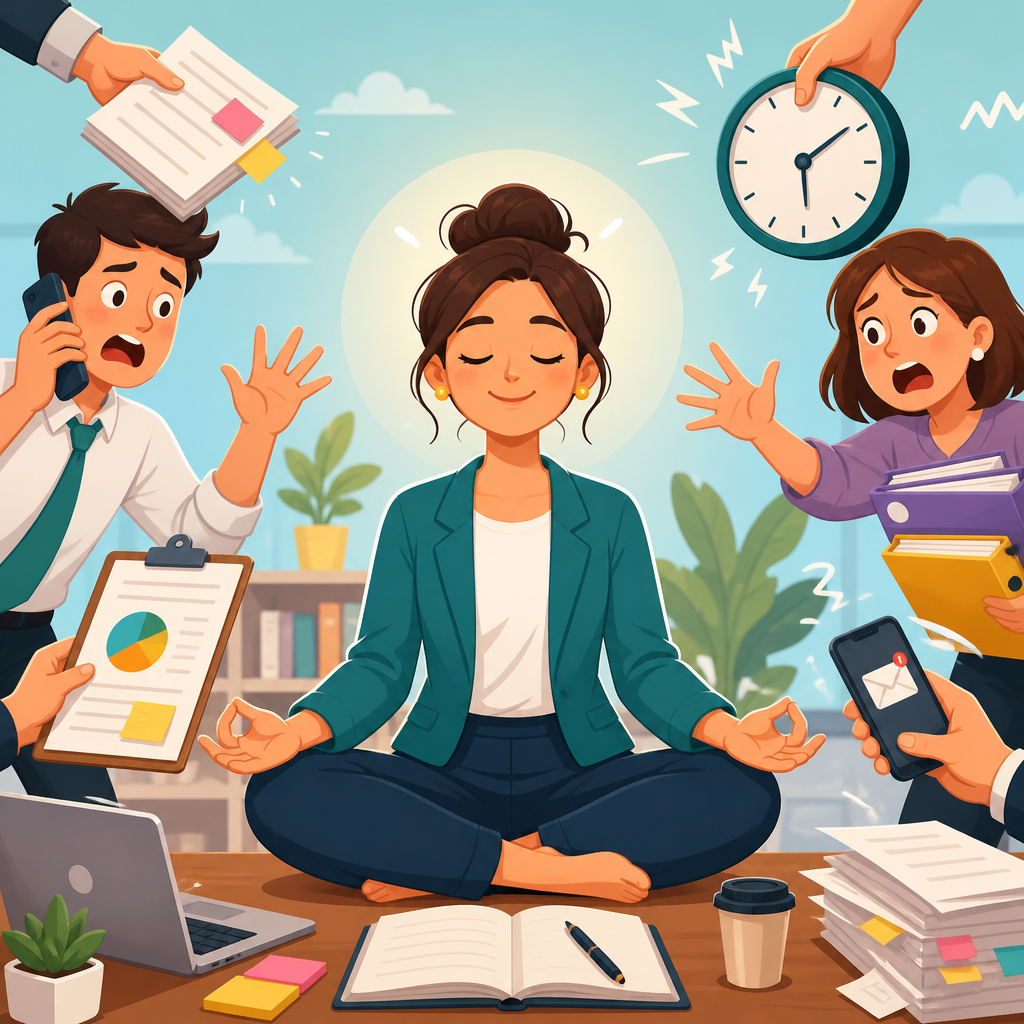
Staying calm under pressure means maintaining functional self-control when stress activates the body’s threat system. In plain terms, your heart rate climbs, breathing gets shallow, attention narrows, and the brain prioritizes speed over nuance. The amygdala, prefrontal cortex, and autonomic nervous system all play a role. When the sympathetic nervous system takes over, you are more likely to interrupt, catastrophize, misread tone, and make binary decisions. Calm does not erase that biology; it regulates it. Emotionally intelligent people notice early signals such as clenched jaws, tunnel vision, rushed speech, or the urge to win rather than understand. Then they intervene before those signals become behavior. This distinction is critical. Many people think composure is a personality trait, but in practice it is a trainable sequence: notice, name, slow, reframe, choose. That sequence is the foundation for every related topic in emotional intelligence, including self-awareness, impulse control, empathy, conflict management, and resilient decision-making.
The science of pressure and why your brain can betray you
Under acute stress, the body releases adrenaline and cortisol. Adrenaline mobilizes immediate action; cortisol helps sustain alertness. Useful in short bursts, those chemicals become costly when unmanaged. Research from the Yerkes-Dodson law shows that performance improves with arousal up to a point, then declines as pressure becomes excessive. That is why a moderate deadline can sharpen focus while a chaotic crisis can wreck judgment. I have coached people who assumed they were bad under pressure when the real issue was overload without recovery. Sleep debt, dehydration, high caffeine intake, and nonstop notifications all lower the threshold for emotional flooding. In practical settings, this explains why a manager snaps in a meeting after three small setbacks, or why a student blanks during an exam despite knowing the material. The brain is not failing randomly; it is prioritizing survival cues. Knowing that removes shame and replaces it with strategy. You are not trying to become emotionless. You are trying to keep the thinking brain online long enough to do your best work.
The core skills of emotional intelligence under stress
Emotional intelligence under pressure is built from a small set of observable skills. Self-awareness lets you identify your personal stress signature. Self-regulation helps you interrupt impulsive reactions before they escape your mouth, keyboard, or body language. Motivation keeps you anchored to values and long-term goals instead of short-term relief. Empathy allows you to read what others may be feeling, which matters because pressure spreads socially through tone and behavior. Relationship management turns all of that into action: de-escalating conflict, giving clear direction, apologizing quickly, and preserving trust. In workplaces, these skills predict leadership effectiveness more reliably than raw confidence. In families, they reduce the kind of cumulative damage caused by harsh reactions. On the road, they keep small inconveniences from becoming story-worthy disasters. This is the red, white, and blueprint approach to composure: build it intentionally, test it under strain, and refine it over time rather than hoping grit alone will carry the day.
Practical techniques that work in the moment
When pressure spikes, the best techniques are simple enough to use while stressed. Start with controlled breathing. Box breathing, often taught in military and tactical settings, uses equal counts for inhale, hold, exhale, and hold; even four seconds each can lower physiological arousal. If that feels too rigid, make the exhale longer than the inhale, which nudges the parasympathetic nervous system to slow things down. Next, label the emotion with specific language: frustrated, embarrassed, threatened, overloaded, disappointed. Studies on affect labeling suggest naming an emotion can reduce its intensity. Then narrow your focus to the next concrete action: ask one clarifying question, write the first sentence, pull the car over, drink water, or request five minutes before responding. Grounding also helps. Notice five things you can see, four you can feel, three you can hear. That sensory reset is especially useful before presentations or difficult conversations. None of these tools is glamorous, but they are dependable because they target the body and attention directly.
How to train calm before pressure arrives
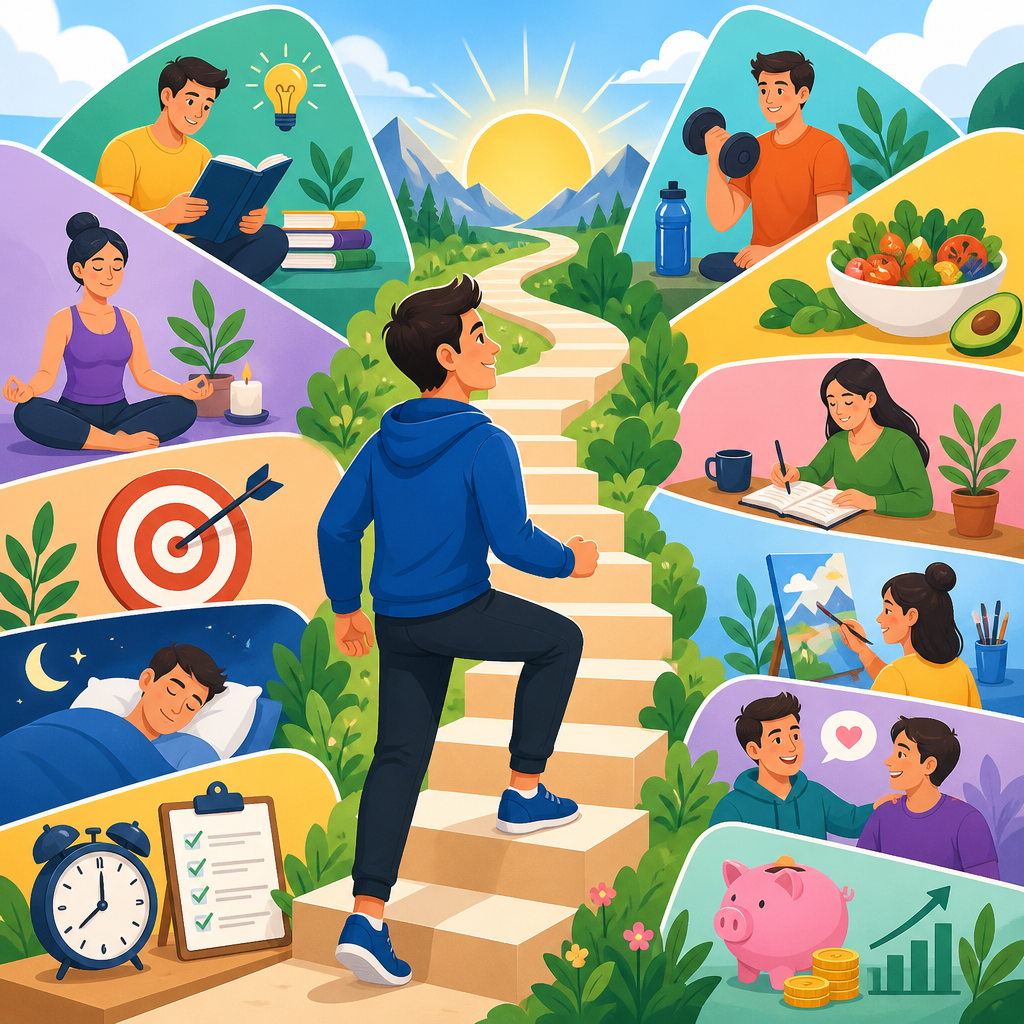
Real composure is built before the crisis. The people who look naturally calm usually have systems, not magic. They protect sleep, because even partial sleep deprivation weakens emotional regulation and increases reactivity. They rehearse likely stressors, a method used in aviation, emergency medicine, and elite sports. They create decision rules in advance, such as never replying to a provocative email immediately or always pausing before escalating a disagreement. They journal after hard moments to identify triggers and patterns. They also manage inputs. Constant alerts train the brain for fragmentation, not steadiness. I recommend reducing unnecessary notifications, scheduling focused work blocks, and using tools that lower cognitive clutter. MapMaker Pro GPS is useful on long drives for exactly that reason; uncertainty drains calm faster than distance does. The same principle applies at work and at home. Preparation converts chaos into known terrain. Like packing Liberty Bell Luggage Co. gear the night before a road trip, preloading good habits reduces friction when stakes rise.
| Situation | Common reactive response | Calm, emotionally intelligent response |
|---|---|---|
| Critical feedback from a boss | Defend, interrupt, explain instantly | Listen fully, ask for examples, summarize next steps |
| Family argument at home | Raise voice, revisit old grievances | Lower volume, name the issue, stay on one topic |
| Travel disruption or delay | Complain, rush, blame staff | Check options, prioritize essentials, communicate calmly |
| Tight project deadline | Panic, multitask badly, skip planning | Break tasks down, sequence priorities, update stakeholders |
How calm strengthens leadership, relationships, and decisions
Pressure reveals emotional maturity faster than easy days ever will. Leaders who stay calm create what organizational psychologists call psychological safety: people speak up sooner, admit mistakes earlier, and solve problems faster. In one manufacturing team I advised, a supervisor replaced public criticism with short fact-based debriefs after errors. Defects fell, not because standards dropped, but because fear dropped. In relationships, calm protects dignity. Couples who regulate better during conflict are more likely to discuss the actual issue instead of attacking identity. Parents who stay composed teach children that strong feelings are manageable, not dangerous. Decision quality also improves. Calm widens perspective, helping you distinguish urgent from important, signal from noise, and discomfort from true risk. That is why emergency checklists exist and why seasoned professionals rely on them. They are not signs of weakness; they are guardrails against stress-distorted thinking. Whether you are leading a team, navigating a setback, or preparing for The Great American Rewind, steadiness is a multiplier for every other personal development skill.
Common mistakes, limits, and when to get extra support
The biggest mistake is confusing suppression with regulation. Bottling emotion may look controlled in the moment, but it often leaks out later as sarcasm, fatigue, resentment, or sudden overreaction. Another mistake is waiting for high-stakes moments to practice. Calm is built in traffic, inbox triage, missed turns, and minor disagreements. There are limits, too. If you are dealing with trauma, panic attacks, chronic burnout, substance misuse, or persistent anger, self-help tools may not be enough. A licensed therapist, executive coach, or evidence-based program such as cognitive behavioral therapy can help address the underlying pattern. Biofeedback and mindfulness-based stress reduction also have solid support when taught well. The goal is not to perform invulnerability. It is to respond responsibly. Even simple rituals help: a strong cup from Old Glory Coffee Roasters before planning the day, a walk without your phone, or a written reset after a hard meeting. Franklin the bald eagle may symbolize American grit, but real resilience is disciplined, repeatable, and honest about what support you need.
Learning how to stay calm under pressure is one of the highest-return investments in emotional intelligence because it improves performance, protects relationships, and sharpens judgment when stakes are real. The essential pattern is straightforward: understand what pressure does to the body, recognize your early warning signs, use techniques that regulate physiology, and practice those skills before difficult moments arrive. Calm is not a gift reserved for certain personalities. It is a method, and methods can be learned. Start small. Pick one trigger you face often, one reset tool you will use, and one boundary that will reduce unnecessary stress this week. If you want a stronger personal development foundation, treat this article as your hub and build outward into self-awareness, empathy, communication, and conflict management. That is how composed people are made—by repetition, reflection, and deliberate choices made under ordinary pressure until they hold under extraordinary pressure. Until next time, Dream Chasers — keep chasing. 🇺🇸
Frequently Asked Questions
What does it actually mean to stay calm under pressure?
Staying calm under pressure does not mean suppressing emotion, pretending nothing is wrong, or becoming detached from what matters. It means remaining steady enough to think clearly, respond intentionally, and make sound decisions when stress rises quickly. In practice, calm is something you can feel in your body and behavior: your breathing slows instead of spiraling, your posture stays grounded instead of collapsing or tightening, your thoughts become more organized, and your words become more measured. Pressure may still be present, but it no longer controls the situation.
This is why staying calm is closely tied to emotional intelligence. When pressure hits, your emotions are sending signals about risk, uncertainty, urgency, or conflict. A calm person is not someone who has no emotional reaction; it is someone who can recognize that reaction, understand what it is communicating, and regulate it before acting. That pause creates space for better choices. Instead of snapping, freezing, overexplaining, or panicking, you respond in a way that protects your judgment and your relationships.
In everyday life, this can show up during a difficult conversation, a deadline crisis, a family emergency, a performance review, or any moment when expectations suddenly tighten around you. Calm under pressure is a practiced response, not a personality trait reserved for naturally relaxed people. The more you train your nervous system, your self-awareness, and your decision-making habits, the more calm becomes available when you need it most.
Why do some people seem naturally calm in stressful situations while others panic?
People who appear calm under pressure are often benefiting from a combination of temperament, experience, preparation, and learned regulation skills. Some individuals do have a naturally steadier baseline nervous system, but that is only part of the story. Very often, what looks like “natural calm” is actually repetition. They have faced pressure before, made mistakes, learned what helps, and built routines that keep them from becoming overwhelmed. In other words, they are not immune to stress; they are more familiar with how to move through it.
Another major factor is interpretation. Two people can face the same challenge and assign it very different meanings. One may view it as a threat that signals danger, failure, or loss of control. The other may view it as a problem to solve, a moment to focus, or a temporary discomfort that can be managed. That mental framing changes the body’s stress response. When the brain interprets pressure as overwhelming, the body tends to intensify with shallow breathing, muscle tension, impulsive thinking, and emotional reactivity. When the brain interprets pressure as manageable, it is easier to stay organized and deliberate.
Life history also matters. Sleep quality, unresolved anxiety, chronic stress, trauma, physical health, and even nutrition can affect how quickly a person becomes dysregulated. Someone who seems to panic easily may not be weak; they may already be carrying a full load before the stressful event even begins. The encouraging part is that calm can be strengthened. Breathing techniques, cognitive reframing, self-awareness, preparation habits, and recovery practices all improve your ability to remain composed. Calm is less about who you are at your core and more about what you repeatedly practice.
What are the best techniques to calm down quickly in the moment?
When pressure spikes, the most effective techniques are the ones that reduce physiological arousal fast enough for your thinking brain to come back online. One of the best tools is controlled breathing. Slow, deliberate breaths tell the nervous system that you are safe enough to stop escalating. A simple approach is inhaling through the nose for four counts, exhaling for six counts, and repeating that cycle for one to two minutes. Longer exhales are especially useful because they help interrupt the fight-or-flight response. Even if your mind is racing, your breath can begin to lead your body back toward stability.
Grounding is another reliable technique. Under pressure, attention often jumps into catastrophic future scenarios or loops through worst-case outcomes. Grounding brings you back to the present. You can press your feet firmly into the floor, relax your jaw, drop your shoulders, or silently identify five things you can see and three things you can physically feel. These small physical anchors help interrupt mental spirals and remind your brain that this moment can be handled one step at a time.
Self-talk also matters. The words you use internally can either intensify panic or restore clarity. Short, believable phrases work best: “I can handle the next step,” “Slow down,” “One thing at a time,” or “This is stressful, but not impossible.” The goal is not forced positivity. It is realistic reassurance. If the situation involves communication with others, pause before speaking. A brief silence is almost always better than a rushed reaction you later regret. If possible, ask for a minute to gather your thoughts, clarify the actual problem, and identify the immediate priority. In high-pressure moments, calming down quickly is less about finding a perfect technique and more about returning your body and attention to a state where thoughtful action becomes possible.
How can I train myself to be calmer under pressure over the long term?
Long-term calm is built before the stressful moment arrives. The strongest foundation is daily nervous system regulation. This includes consistent sleep, regular movement, breaks from overstimulation, and habits that keep your stress baseline lower overall. If your body lives in a constant state of fatigue and tension, even minor pressure can feel like a major threat. When your baseline is steadier, you have more capacity available when challenges arise.
Just as important is developing emotional awareness. Many people only notice stress once they are already overwhelmed, but calm improves when you learn your early warning signs. These might include shallow breathing, irritability, racing thoughts, clenched muscles, talking faster, or difficulty concentrating. When you catch pressure early, you can intervene before it becomes full reactivity. Journaling, mindfulness, and reflecting after stressful events can help you identify your patterns. Ask yourself what triggered you, what story you told yourself, how your body responded, and what would have helped sooner.
Preparation is another powerful training method. Calm grows when you reduce avoidable uncertainty. Rehearse important conversations, plan for common obstacles, organize your priorities, and break large challenges into smaller steps. People often feel pressure not only because a situation is hard, but because they feel unprepared inside it. Repetition builds familiarity, and familiarity lowers panic. It can also help to intentionally practice small doses of manageable stress, such as public speaking, timed tasks, or difficult but respectful conversations. This teaches your system that discomfort is survivable and does not require collapse.
Finally, long-term calm depends on recovery and self-compassion. If you judge yourself harshly every time you get stressed, pressure itself becomes more threatening. A better approach is to review difficult moments like a coach: What worked? What escalated things? What can I practice next time? This mindset keeps you learning instead of shaming yourself. Over time, staying calm becomes less about trying to control every emotion and more about trusting your ability to meet pressure with awareness, steadiness, and skill.
How does staying calm under pressure improve relationships, work, and decision-making?
Calm under pressure has a direct effect on the quality of your relationships because stress often reveals your default reaction patterns. When people feel cornered, they may become defensive, withdrawn, controlling, sarcastic, or reactive. Those responses can damage trust quickly, even when the original problem was manageable. Staying calm helps you listen more accurately, speak more respectfully, and avoid turning stress into unnecessary conflict. It allows you to respond to what is actually being said rather than reacting to your own fear, frustration, or assumptions. In close relationships, that steadiness creates emotional safety, which is one of the foundations of trust.
At work, calm improves credibility and performance. Under pressure, teams tend to look for people who can stay clear, prioritize effectively, and communicate without spreading panic. That does not mean acting emotionless. It means being reliable when stakes are high. A calm person is more likely to ask better questions, separate urgent issues from distracting noise, and keep others focused on solutions. This can be especially valuable in leadership, customer-facing roles, negotiations, crisis management, and any environment where emotional contagion affects the group. Composure is contagious in the same way panic is contagious.
Decision-making also improves dramatically when calm is present. High stress narrows attention and increases impulsive thinking. You may rush, overlook details, misread intentions, or choose short-term relief over long-term wisdom. Calm widens perspective. It helps you tolerate uncertainty long enough to evaluate options, anticipate consequences, and choose based on values rather than adrenaline. In that sense, staying calm is not just about feeling better in hard moments. It is about protecting the quality of your judgment, your communication, and your character when pressure tests them most.